Herb reference entry
Chinese Angelica
Chinese Angelica
Angelica sinensis (Oliv.) Diels
Reviewed by Kuda, September 2, 2026 - Editorial policy
OVERVIEW
What This Record Covers
Chinese Angelica is the dried root of Angelica sinensis, a biennial herb of the parsley family (Apiaceae) cultivated in cool mountain valleys, with a long history of use in blood-nourishing formulas. The medicinal root is aromatic, yellow-brown, and branched, and it is traditionally divided into root body, head, and tail sections that are sometimes sold separately. The material appears as whole roots, cleaned slices, wine-processed slices, powders, and extracts, and the same name covers very different forms. Because “danggui” is one of the most widely traded herbs, the source, section, aroma, and preparation are essential to the record.
- English name
- Chinese Angelica
- Latin name
- Angelica sinensis (Oliv.) Diels
- Traditional category
- Blood Tonifying
- Nature
- Warm
- Flavor description
- Sweet, Pungent
- Record identifier
- danggui
IDENTIFICATION
Identification and Image Notes
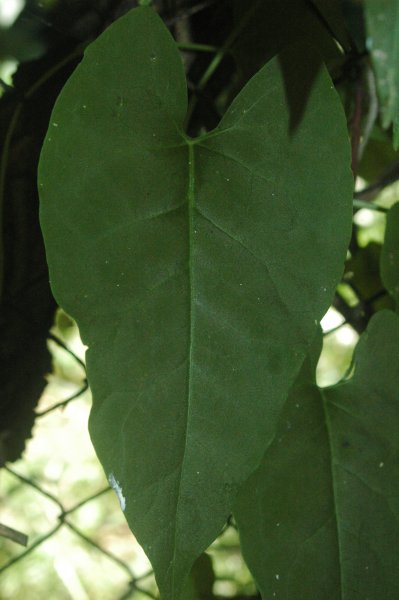
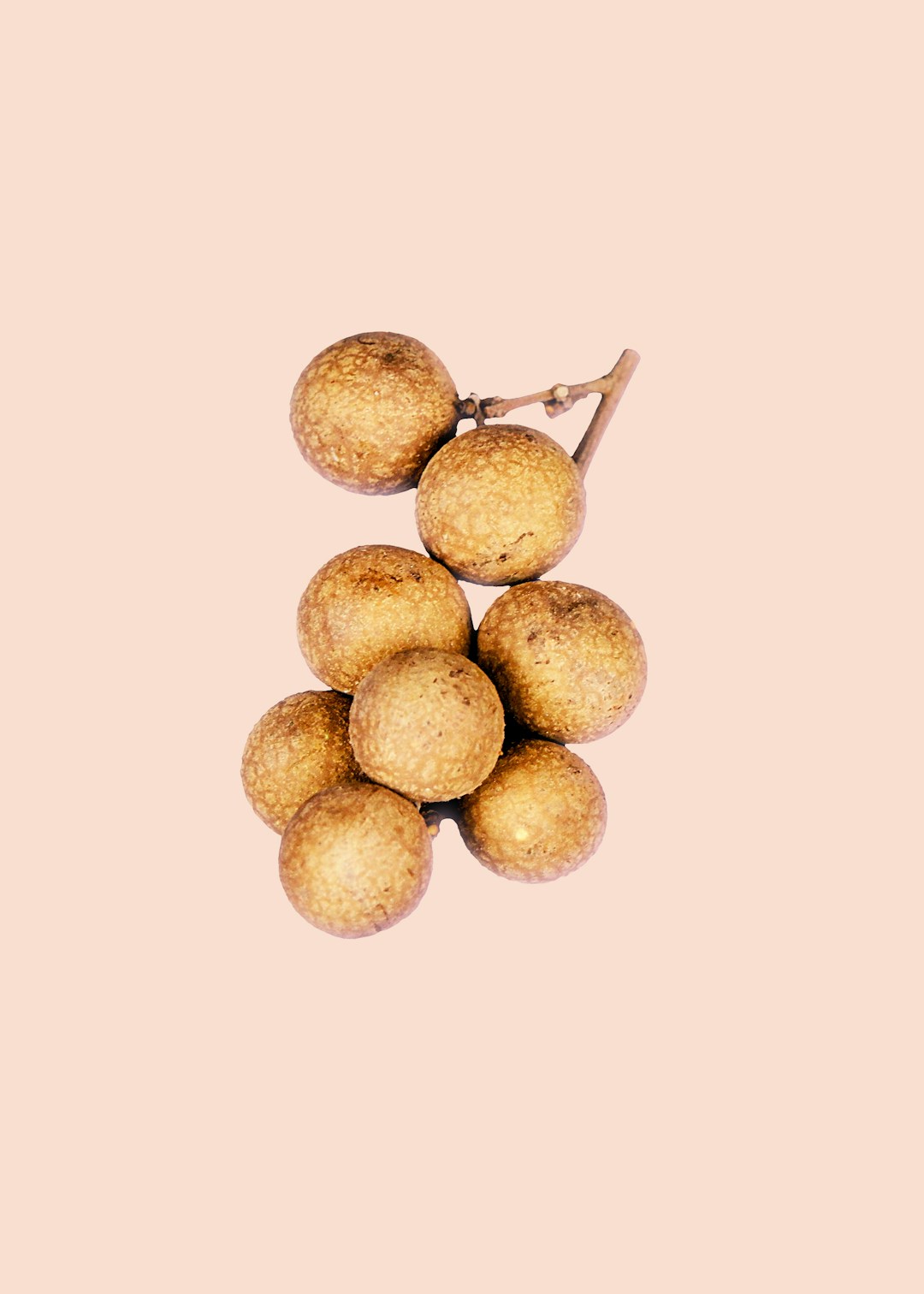
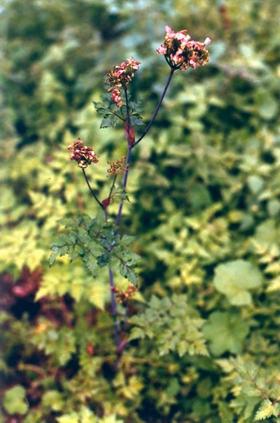
The root is aromatic, yellow-brown, and branched, with distinct sections that may be sold separately, and the cut surface is yellow-white with brown oil spots. Source, section, aroma, and storage help distinguish it from other Angelica roots and from substitutes such as livelong root and European angelica, which have different profiles.
Images are for orientation only, not definitive species authentication; confirm species, part, source, and labeling with a qualified professional or authoritative monograph.
TRADITIONAL CONTEXT
Traditional Use in Context
Traditional records discuss Chinese Angelica for blood nourishment, menstrual and postpartum language, movement within blood-focused formulas, and gentle warming, and it is the centerpiece of classical combinations such as Si Wu Tang (Four Substances Decoction, with Prepared Rehmannia, White Peony, and Sichuan Lovage) and Dang Gui Bu Xue Tang (with Astragalus), and it appears in countless menstrual and recovery formulas. Classical texts describe it for menstrual irregularity, cramping pain, and recovery after blood loss, always within a pattern-based framework. The menstrual language is historical and does not establish efficacy for a modern gynecological condition or authorize self-treatment of bleeding or pain, and heavy or unexplained bleeding requires medical assessment.
PROCESSING CONTEXT
Raw Material, Processing, and Product Form
Cleaned slices, wine-processed slices, and different root sections occur in traditional records, and wine processing is described as strengthening the movement-related emphasis. A formula, extract, or essential-oil product should not be assumed to match the dried root slice, and the processed form should be stated on the label.
The same name can cover a raw material, decoction piece, powder, extract, or finished product, so record the labeled form rather than assuming it; see the safety review for the questions to ask.
SAFETY REVIEW
Safety Boundaries
Review pregnancy, active bleeding, surgery, anticoagulants, hormone-sensitive conditions, and allergy history. Menstrual language in a classical record is not permission for self-treatment, and heavy bleeding, severe pain, or pregnancy-related concerns require professional assessment.
This record is not a dose recommendation; risk depends on identity, preparation, amount, duration, contamination, other medicines, and health conditions — a traditional or “natural” label cannot establish safety. For the full framework, read the Chinese Herbal Medicine Safety Review.
COMPARISON
How This Entry Differs
Compare Chinese Angelica with White Peony Root and Prepared Rehmannia Root for the balance between nourishment, movement, richness, and processing, and with Sichuan Lovage Root for the more strongly moving end of the blood-focused spectrum. These four are classic formula partners, which makes their boundaries easy to blur. The practice of separating the root into head, body, and tail sections also has no parallel in most other blood-tonifying entries.
Use the related-entry links below to compare identity, part, processing, and safety boundaries — similar categories do not make materials interchangeable.
STUDY METHOD
New to these entries?
Read the four-step method in How to Read a Herb Entry before comparing materials.