Herb reference entry
Prepared Rehmannia Root
Prepared Rehmannia Root
Rehmannia glutinosa (Gaertn.) DC.
Reviewed by Kuda, September 2, 2026 - Editorial policy
OVERVIEW
What This Record Covers
Prepared Rehmannia Root is the repeatedly steamed and dried root tuber of Rehmannia glutinosa, a herb of the broomrape family cultivated in central and eastern Asia. Unlike the raw root, the prepared material is dark, soft, and sticky, and it is one of the richest-toned blood- and essence-nourishing records in the materia medica. It appears as soft black blocks, slices, powders, and concentrated products, and it is a common centerpiece of restorative formulas. Because the raw and prepared roots are so different in appearance and in traditional description, the processed form must be identified before any comparison is made.
- English name
- Prepared Rehmannia Root
- Latin name
- Rehmannia glutinosa (Gaertn.) DC.
- Traditional category
- Blood Tonifying
- Nature
- Slightly Warm
- Flavor description
- Sweet
- Record identifier
- shudihuang
IDENTIFICATION
Identification and Image Notes
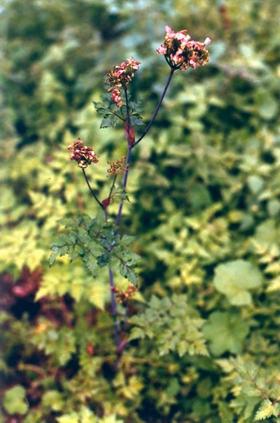
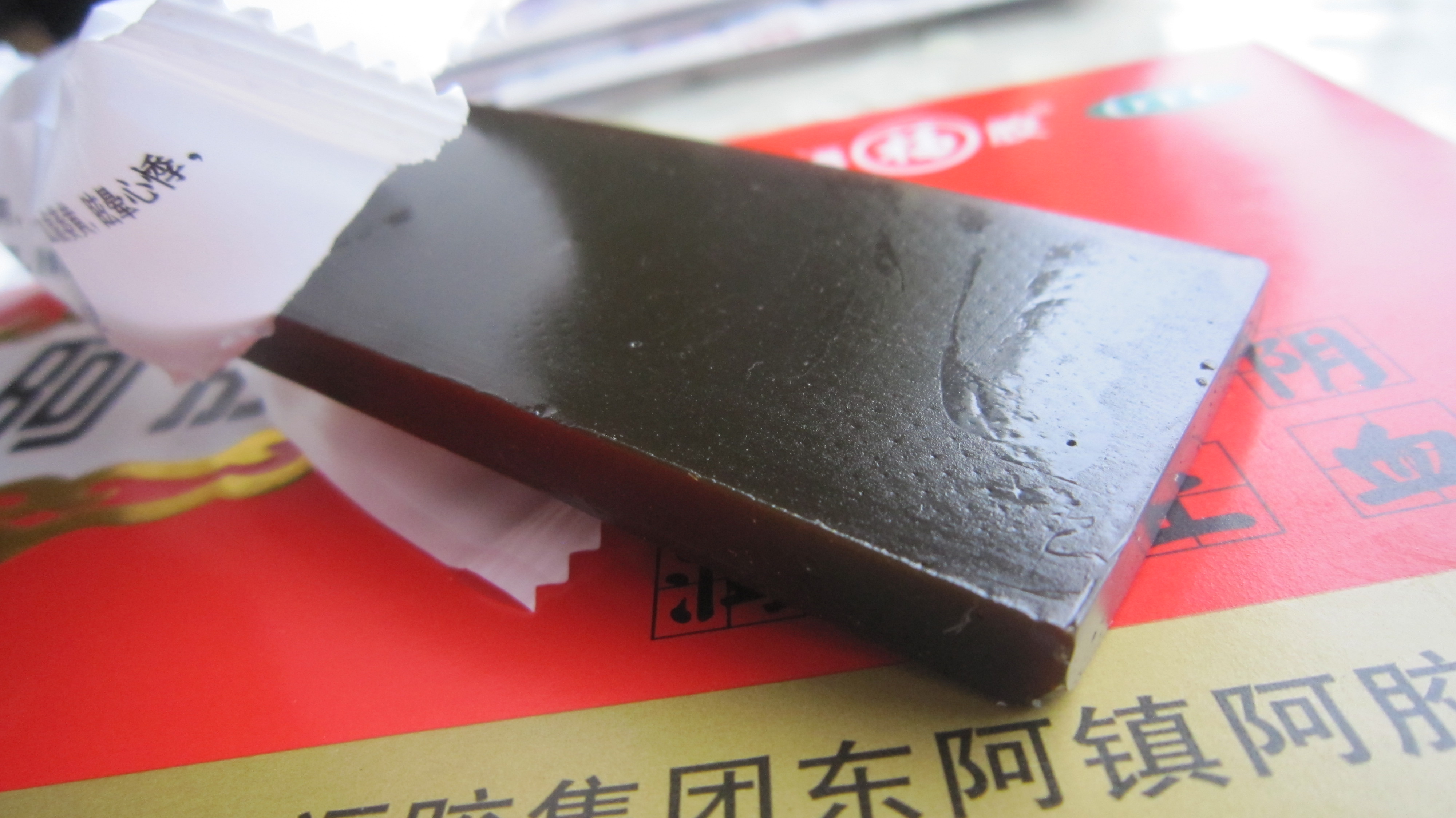
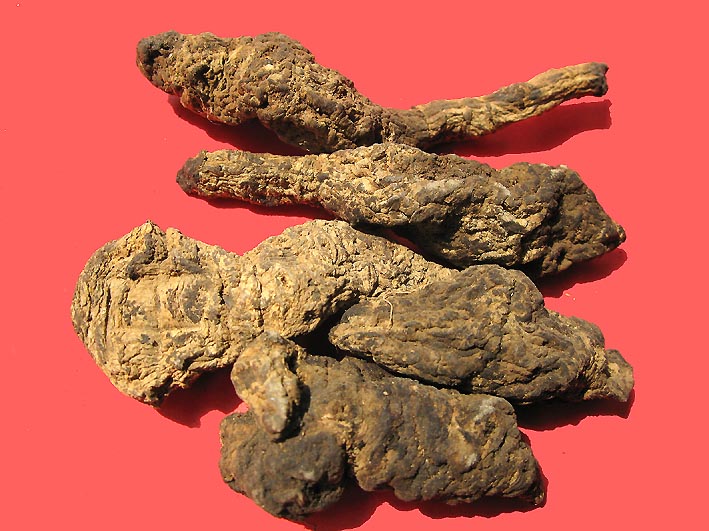
Prepared Rehmannia is dark, soft, and sticky compared with the raw root, which is pale and crisp. The processed root is black and glossy, cut into soft, moist, sticky pieces with a sweet, wine-like aroma, and it stains the fingers when handled. The processed material should be distinguished from raw Rehmannia before a name or image is used for comparison, and the glossy black texture with a sweet aroma is an orientation clue, not authentication.
Images are for orientation only, not definitive species authentication; confirm species, part, source, and labeling with a qualified professional or authoritative monograph.
TRADITIONAL CONTEXT
Traditional Use in Context
Traditional records discuss Prepared Rehmannia for blood and essence nourishment, kidney-related deficiency language, and rich restorative formulas, and it appears in classical combinations such as Liu Wei Di Huang Wan (Six-Ingredient Rehmannia Pill) and Si Wu Tang (with Angelica, White Peony, and Sichuan Lovage). Classical texts describe it for fatigue, heat sensations, and deficiency-related presentations, always within a pattern-based framework. The restorative language is historical and does not establish efficacy for a modern diagnosis, nor does it authorize self-treatment of fatigue or any chronic condition, which requires clinical assessment.
PROCESSING CONTEXT
Raw Material, Processing, and Product Form
Repeated steaming with auxiliary materials produces the prepared form described in traditional records. Processing changes color, texture, aroma, and storage requirements; raw and prepared roots are separate study objects, and the number of steaming cycles and added materials should be documented by a traceable supplier.
The same name can cover a raw material, decoction piece, powder, extract, or finished product, so record the labeled form rather than assuming it; see the safety review for the questions to ask.
SAFETY REVIEW
Safety Boundaries
Its richness may be poorly tolerated with loose stools, poor appetite, or digestive sensitivity. Check product quality, sugar or added materials, and interactions rather than assuming that a restorative label is universally gentle, and review pregnancy and concurrent medicines with a professional.
This record is not a dose recommendation; risk depends on identity, preparation, amount, duration, contamination, other medicines, and health conditions — a traditional or “natural” label cannot establish safety. For the full framework, read the Chinese Herbal Medicine Safety Review.
COMPARISON
How This Entry Differs
Compare Prepared Rehmannia Root with Chinese Angelica and Goji Berry for different types of nourishment, richness, botanical part, and tolerance questions. Where angelica adds movement and goji adds fruit-based nourishment, prepared rehmannia is the richest, most sticky record of the three.
Use the related-entry links below to compare identity, part, processing, and safety boundaries — similar categories do not make materials interchangeable.
STUDY METHOD
New to these entries?
Read the four-step method in How to Read a Herb Entry before comparing materials.