Herb reference entry
Chinese Fleeceflower Root
Chinese Fleeceflower Root
Fallopia multiflora (Thunb.) Haraldson
Reviewed by Kuda, September 2, 2026 - Editorial policy
OVERVIEW
What This Record Covers
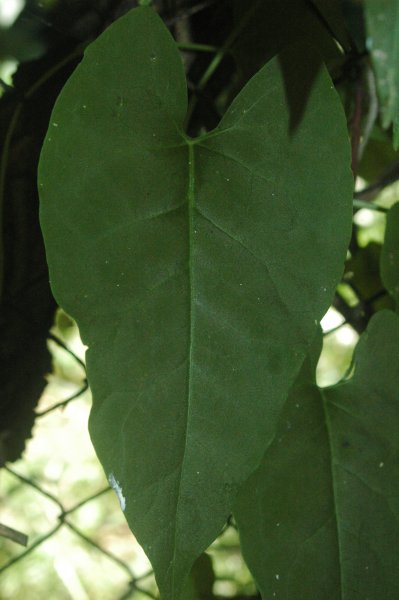
Chinese Fleeceflower Root is the root tuber of Fallopia multiflora, a climbing perennial of the buckwheat family that grows on hillsides and along fences in eastern Asia. The medicinal part is the dense, irregular root tuber, which is reddish-brown on the outside and pale on the inside. The record is complicated by the fact that raw and prepared forms are separate materials: the raw root and the repeatedly steamed product look different, taste different, and are described differently in the materia medica. Products appear as raw slices, prepared slices, powders, extracts, and hair-related supplements, so the label must state which form is present before the record is compared with anything else.
- English name
- Chinese Fleeceflower Root
- Latin name
- Fallopia multiflora (Thunb.) Haraldson
- Traditional category
- Blood Tonifying
- Nature
- Neutral
- Flavor description
- Bitter, Sweet, Astringent, ;, Bitter
- Record identifier
- heshouwu
IDENTIFICATION
Identification and Image Notes
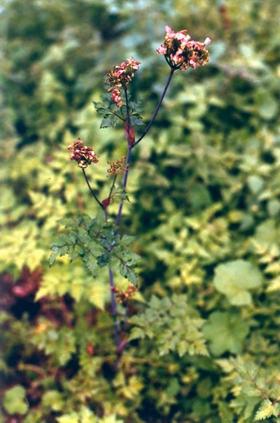
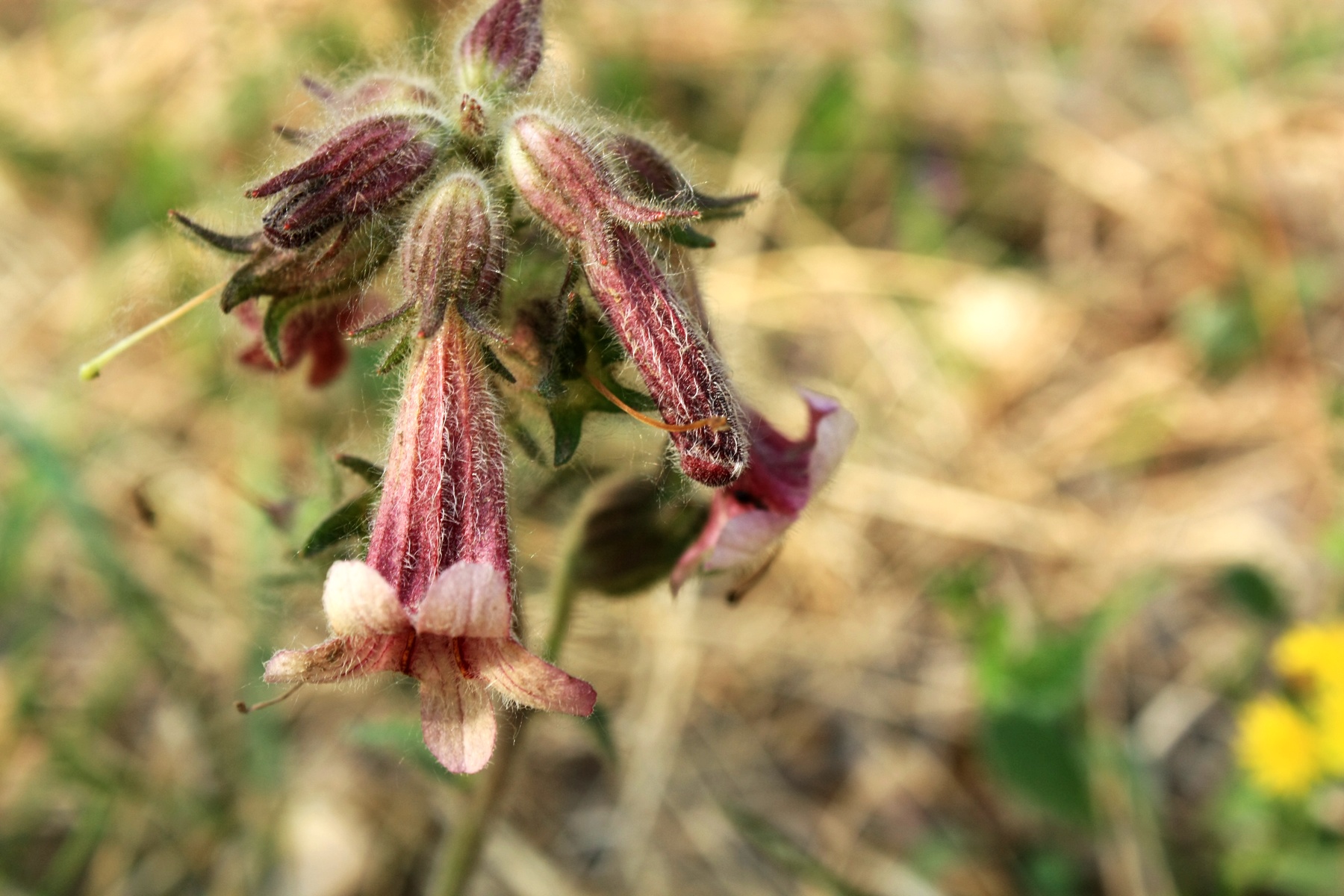
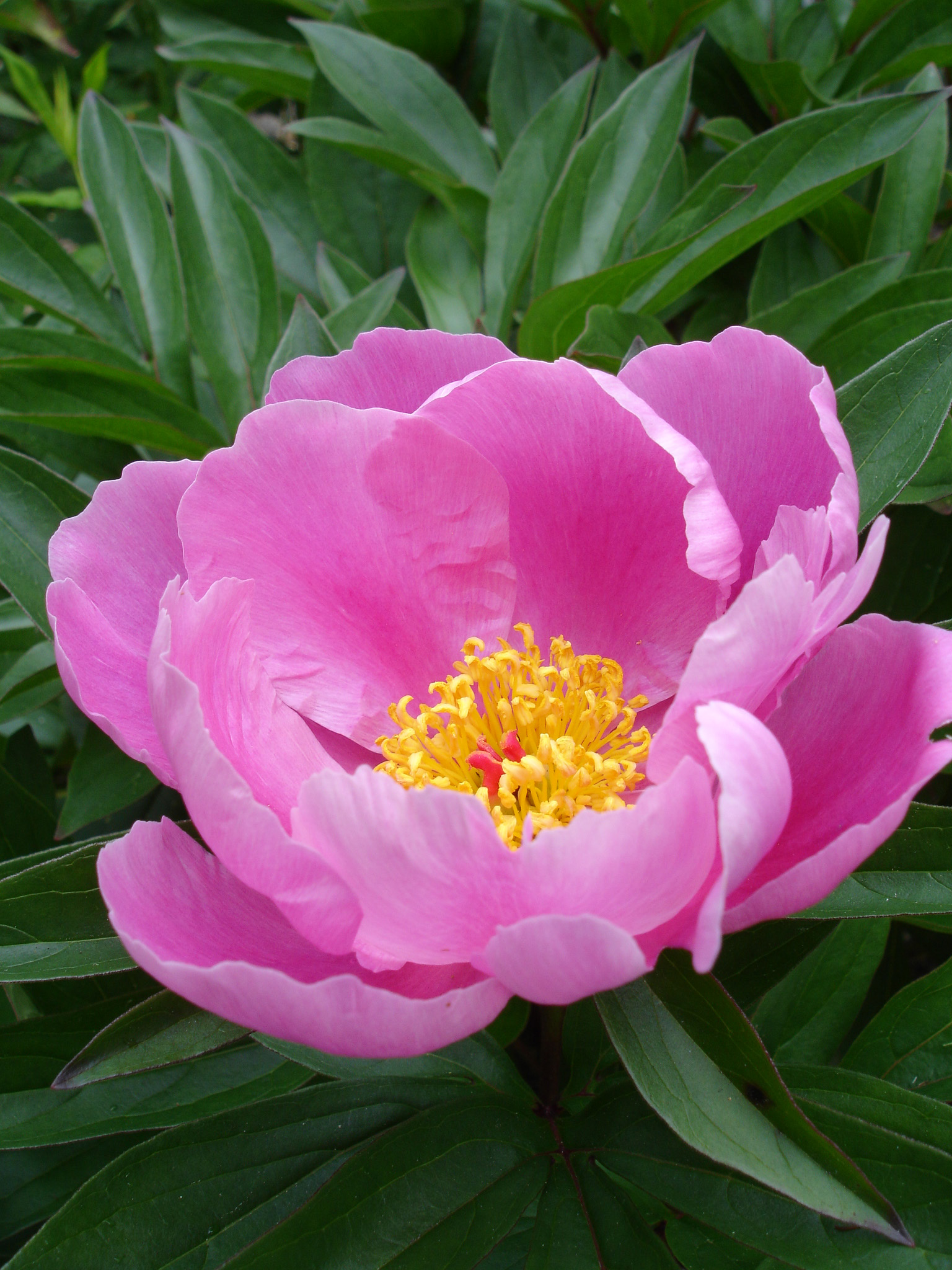
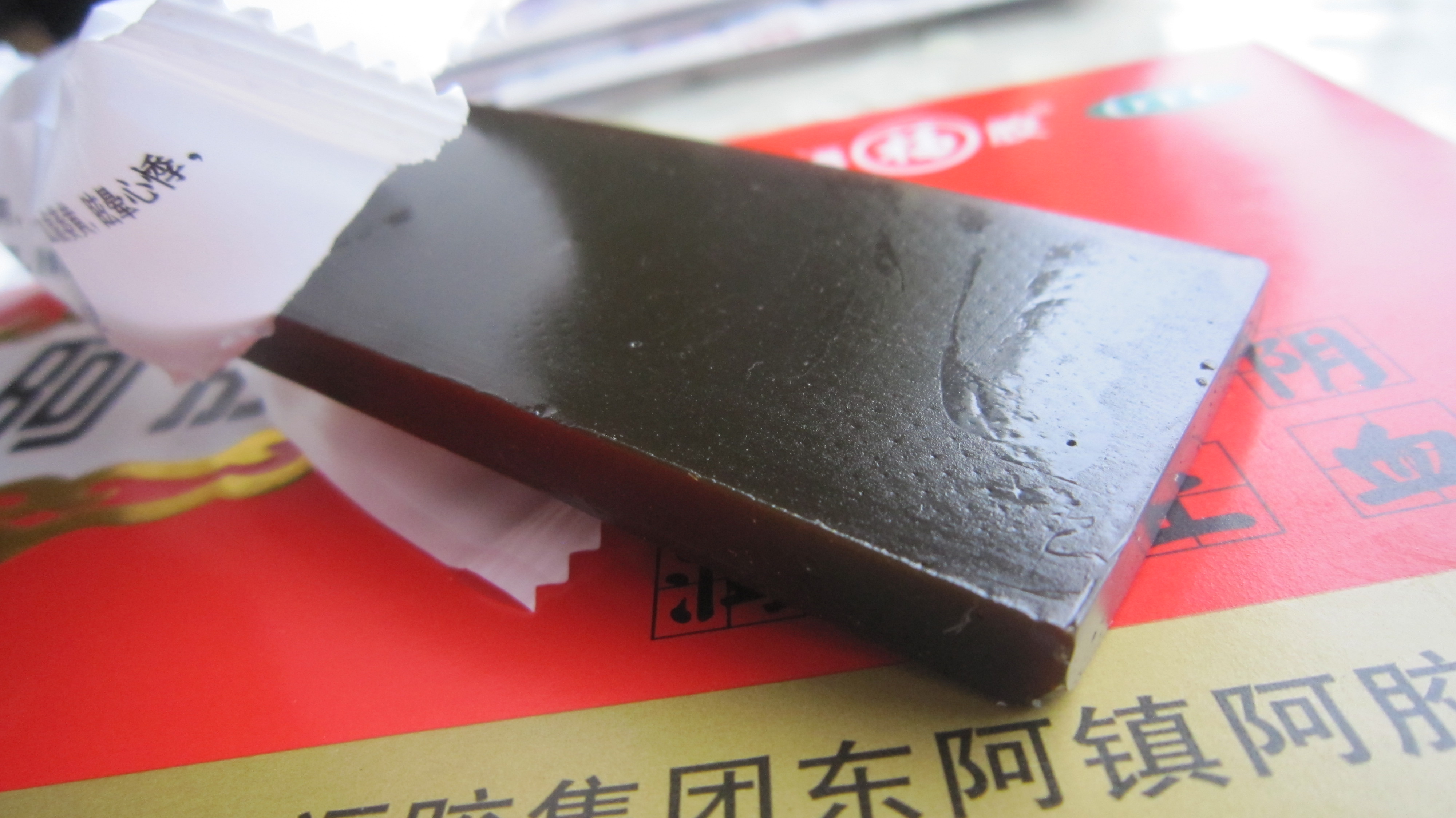
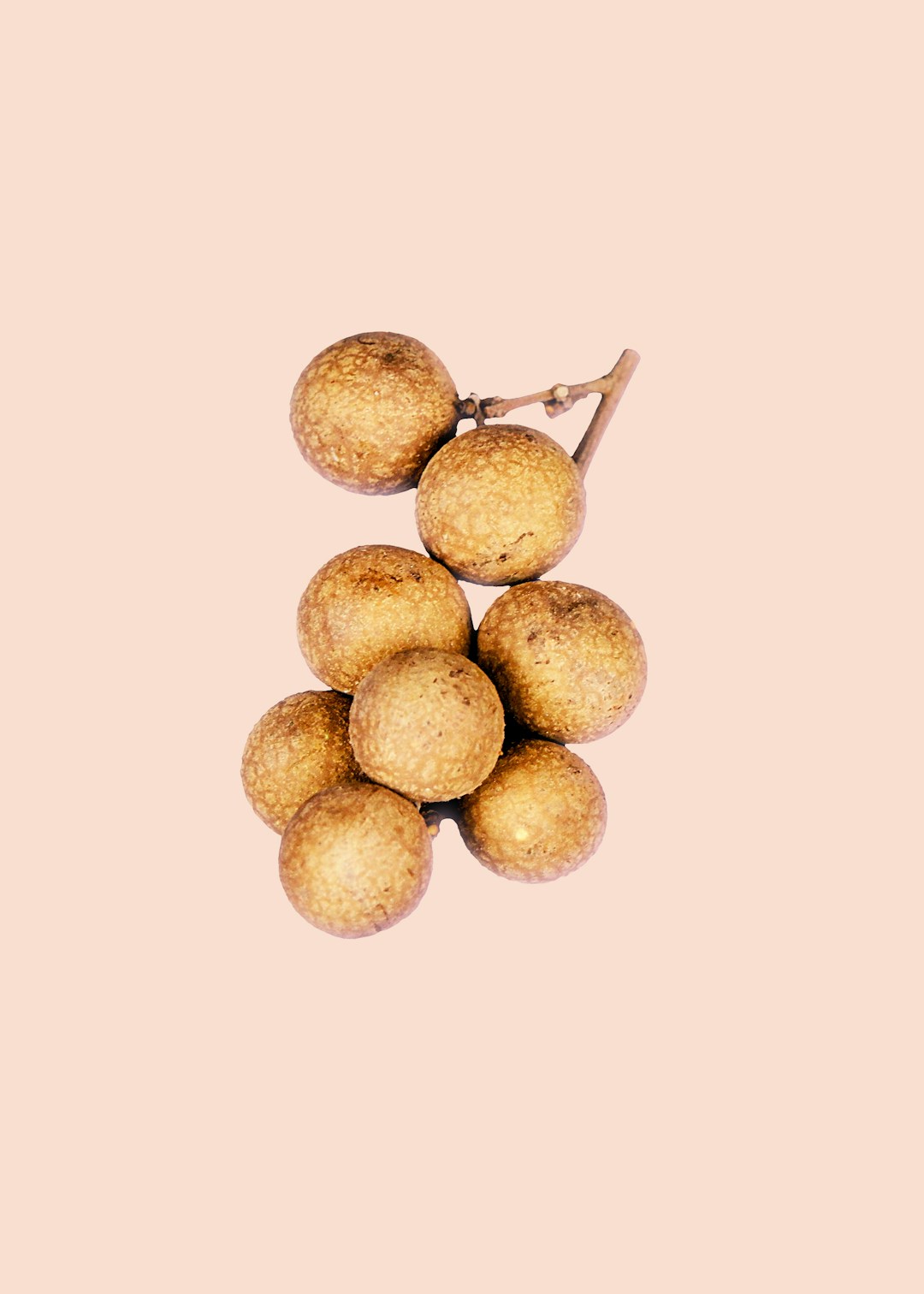
The root tuber is irregular and reddish-brown outside, with a dense pale interior, and it is sometimes cut into thick slices that show an uneven pattern. Raw and prepared Fleeceflower Root are different materials and must be labeled separately, and an unprocessed root should never be represented as the prepared form.
Images are for orientation only, not definitive species authentication; confirm species, part, source, and labeling with a qualified professional or authoritative monograph.
TRADITIONAL CONTEXT
Traditional Use in Context
Traditional records place Chinese Fleeceflower in liver-kidney nourishment, essence and blood language, hair-related historical descriptions, and prepared restorative formulas, often in combinations aimed at aging, fatigue, and hair loss. Classical texts describe the prepared form as a rich tonic for essence and blood, while the raw root is described in different, often more purging terms. These are historical framework statements: they describe how the material was organized in pattern-based practice, and they do not establish efficacy for hair loss, aging, or any modern condition.
PROCESSING CONTEXT
Raw Material, Processing, and Product Form
Preparation commonly involves steaming with a specified auxiliary material, which changes color, texture, and the traditional description. Processing is a central safety and identity question here; the number of steaming cycles, the auxiliary material, and the batch record should be documented by a traceable supplier.
The same name can cover a raw material, decoction piece, powder, extract, or finished product, so record the labeled form rather than assuming it; see the safety review for the questions to ask.
SAFETY REVIEW
Safety Boundaries
Liver injury has been reported with some products associated with this material. Stop relying on a web description and seek medical review for jaundice, dark urine, unusual fatigue, nausea, or abdominal discomfort. Review the product label, batch, and processing record with a qualified professional, and treat this as a higher-attention entry.
This record is not a dose recommendation; risk depends on identity, preparation, amount, duration, contamination, other medicines, and health conditions — a traditional or “natural” label cannot establish safety. For the full framework, read the Chinese Herbal Medicine Safety Review.
COMPARISON
How This Entry Differs
Compare Chinese Fleeceflower Root with Prepared Rehmannia Root for rich restorative language, but keep their species, preparation, and liver-safety questions separate. It is also worth comparing with Goji Berry for the fruit-based end of the nourishing spectrum.
Use the related-entry links below to compare identity, part, processing, and safety boundaries — similar categories do not make materials interchangeable.
STUDY METHOD
New to these entries?
Read the four-step method in How to Read a Herb Entry before comparing materials.