Herb reference entry
Longan Aril
Longan Aril
Dimocarpus longan Lour.
Reviewed by Kuda, September 2, 2026 - Editorial policy
OVERVIEW
What This Record Covers
Longan Aril is the dried edible flesh surrounding the seed of Dimocarpus longan, the longan fruit, a tropical and subtropical tree of the soapberry family. The translucent white aril darkens to a brown, sweet, raisin-like material when dried, and it is used both as a food and as a materia medica ingredient. The record is sometimes confused with lychee and other dried fruit products, so the species and the plant part should be stated. Products appear as dried fruit flesh, sweetened snacks, powders, and extracts, and the sugar content and processing method are part of the product record.
- English name
- Longan Aril
- Latin name
- Dimocarpus longan Lour.
- Traditional category
- Blood Tonifying
- Nature
- Warm
- Flavor description
- Sweet
- Record identifier
- longyanrou
IDENTIFICATION
Identification and Image Notes
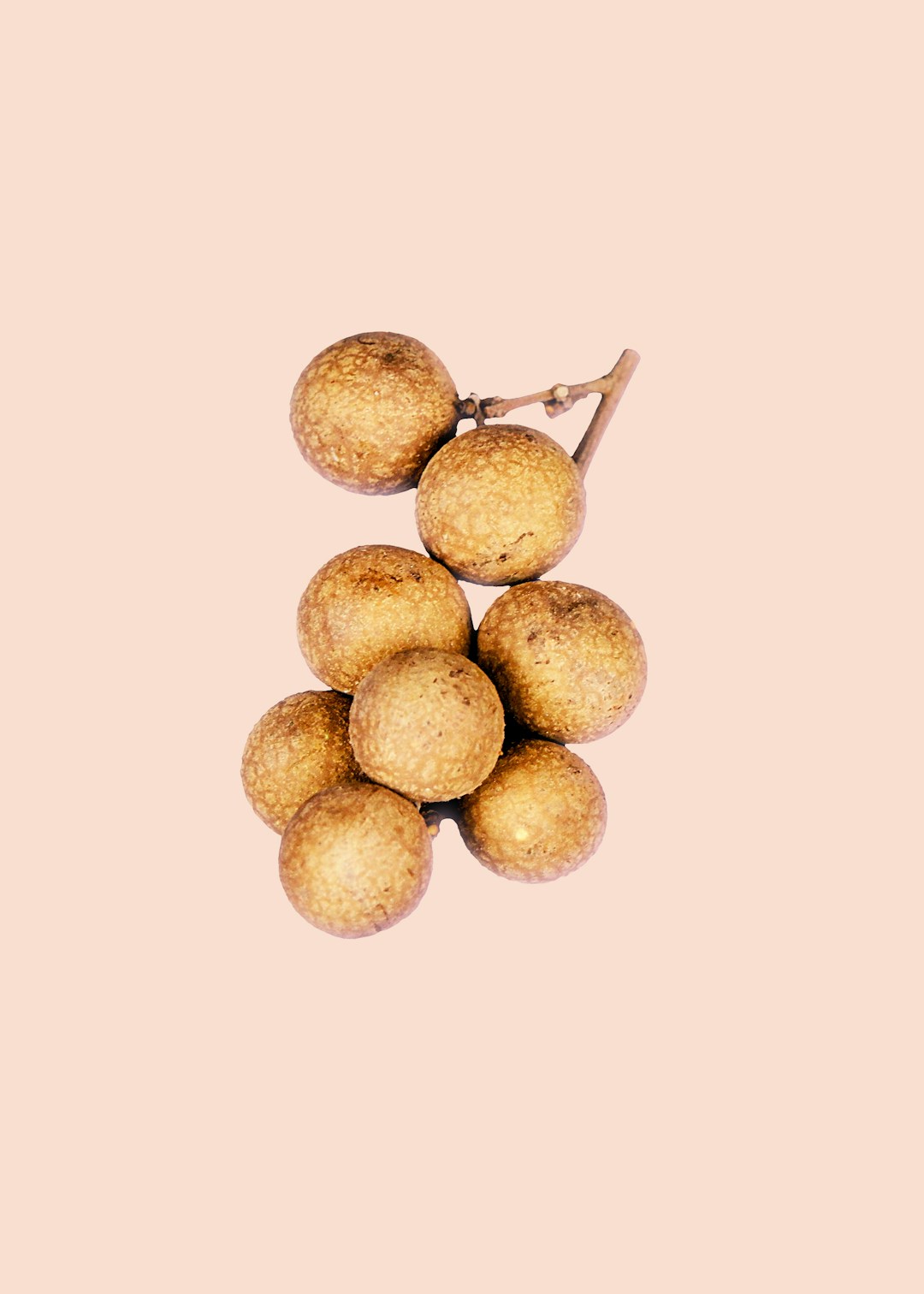
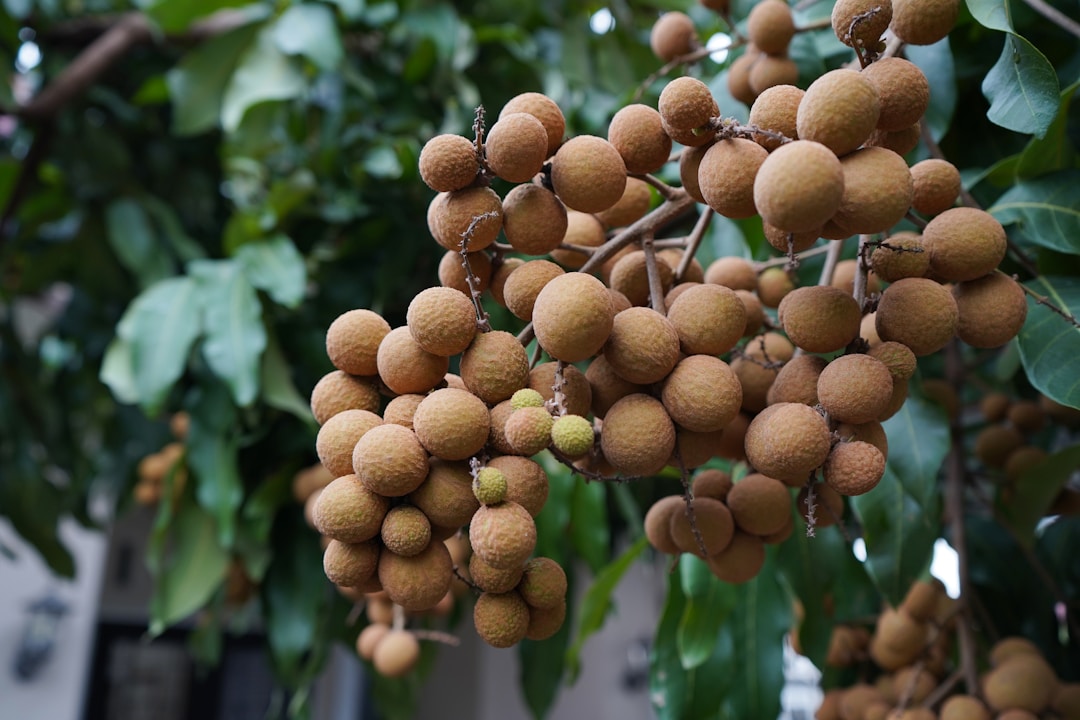
The edible aril is translucent when fresh and dark brown when dried, with a sweet aroma, and it should not be confused with the seed, peel, or similarly dried fruit products such as lychee. The dried aril is thin, wrinkled, and amber-brown, with a soft, sticky, honey-like texture and a marked sweetness. The dried flesh is sticky and sugary, so moisture, mold, and added sweeteners are part of the quality record, and candied products should be labeled separately.
Images are for orientation only, not definitive species authentication; confirm species, part, source, and labeling with a qualified professional or authoritative monograph.
TRADITIONAL CONTEXT
Traditional Use in Context
Traditional records place Longan Aril in heart and spleen nourishment, calmness and sleep language, and food-like support in rich formulas, often combined with Sour Jujube Seed and Poria in combinations for restless sleep and fatigue, such as Gui Pi Tang for heart-spleen support. Classical texts describe it as a sweet, gentle material for supporting blood and calming the spirit. The calming and nourishing language is historical and does not establish efficacy for insomnia or anxiety, and it does not authorize self-treatment of sleep problems, which deserve clinical assessment of their cause.
PROCESSING CONTEXT
Raw Material, Processing, and Product Form
The fruit aril is separated, dried, and sometimes packaged as food or as a materia medica ingredient. Moisture, sulfur treatment, added sugar, and storage are relevant product questions, and a sweetened snack is not the same product as an unsweetened medicinal aril.
The same name can cover a raw material, decoction piece, powder, extract, or finished product, so record the labeled form rather than assuming it; see the safety review for the questions to ask.
SAFETY REVIEW
Safety Boundaries
Sweet, concentrated products may not suit every digestive or metabolic context. Check ingredients, serving format, allergies, and blood glucose concerns rather than using a food-like appearance as a safety shortcut, and review diabetes and metabolic conditions with a professional.
This record is not a dose recommendation; risk depends on identity, preparation, amount, duration, contamination, other medicines, and health conditions — a traditional or “natural” label cannot establish safety. For the full framework, read the Chinese Herbal Medicine Safety Review.
COMPARISON
How This Entry Differs
Compare Longan Aril with Sour Jujube Seed for the different traditional language of nourishment and calming, and with Goji Berry for fruit identity and product form. The two fruits differ in sweetness, species, and the way they are described in formulas.
Use the related-entry links below to compare identity, part, processing, and safety boundaries — similar categories do not make materials interchangeable.
STUDY METHOD
New to these entries?
Read the four-step method in How to Read a Herb Entry before comparing materials.