Herb reference entry
Andrographis / Kariyat
Andrographis / Kariyat
Andrographis paniculata (Burm.f.) Wall. ex Nees
Reviewed by Kuda, September 2, 2026 - Editorial policy
OVERVIEW
What This Record Covers
Andrographis, called Chuan Xin Lian, is the dried aerial parts of Andrographis paniculata, an upright annual herb of the acanthus family (Acanthaceae) native to South and Southeast Asia and cultivated widely for medicinal use. The plant has narrow green leaves and tiny pale flowers, and the whole above-ground herb is harvested, dried, and cut for use. In trade it appears as cut dried herb, leaf powder, granules, and standardized extracts concentrated in diterpenoid compounds. Because the extract and the raw herb differ sharply in concentration, the aerial herb, leaf powder, and standardized extract should be identified separately on the label.
- English name
- Andrographis / Kariyat
- Latin name
- Andrographis paniculata (Burm.f.) Wall. ex Nees
- Traditional category
- Heat Clearing
- Nature
- Cold
- Flavor description
- Bitter
- Record identifier
- chuanxinlian
IDENTIFICATION
Identification and Image Notes
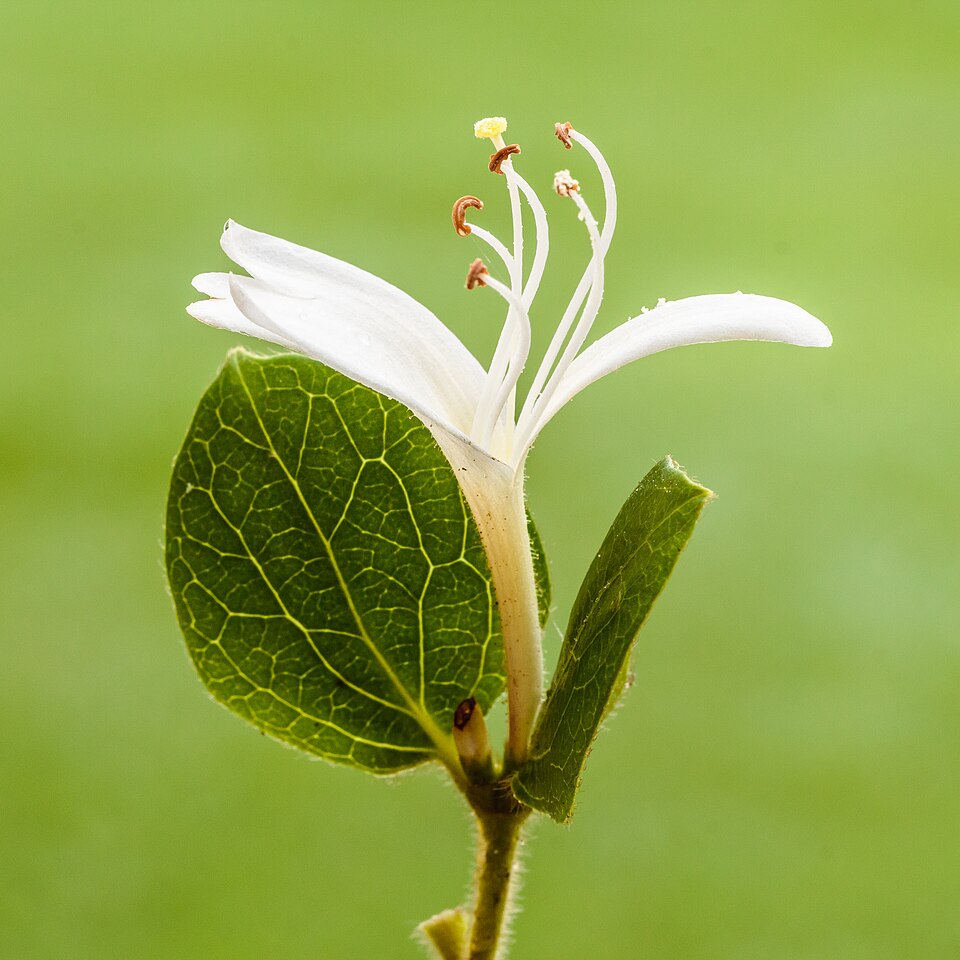
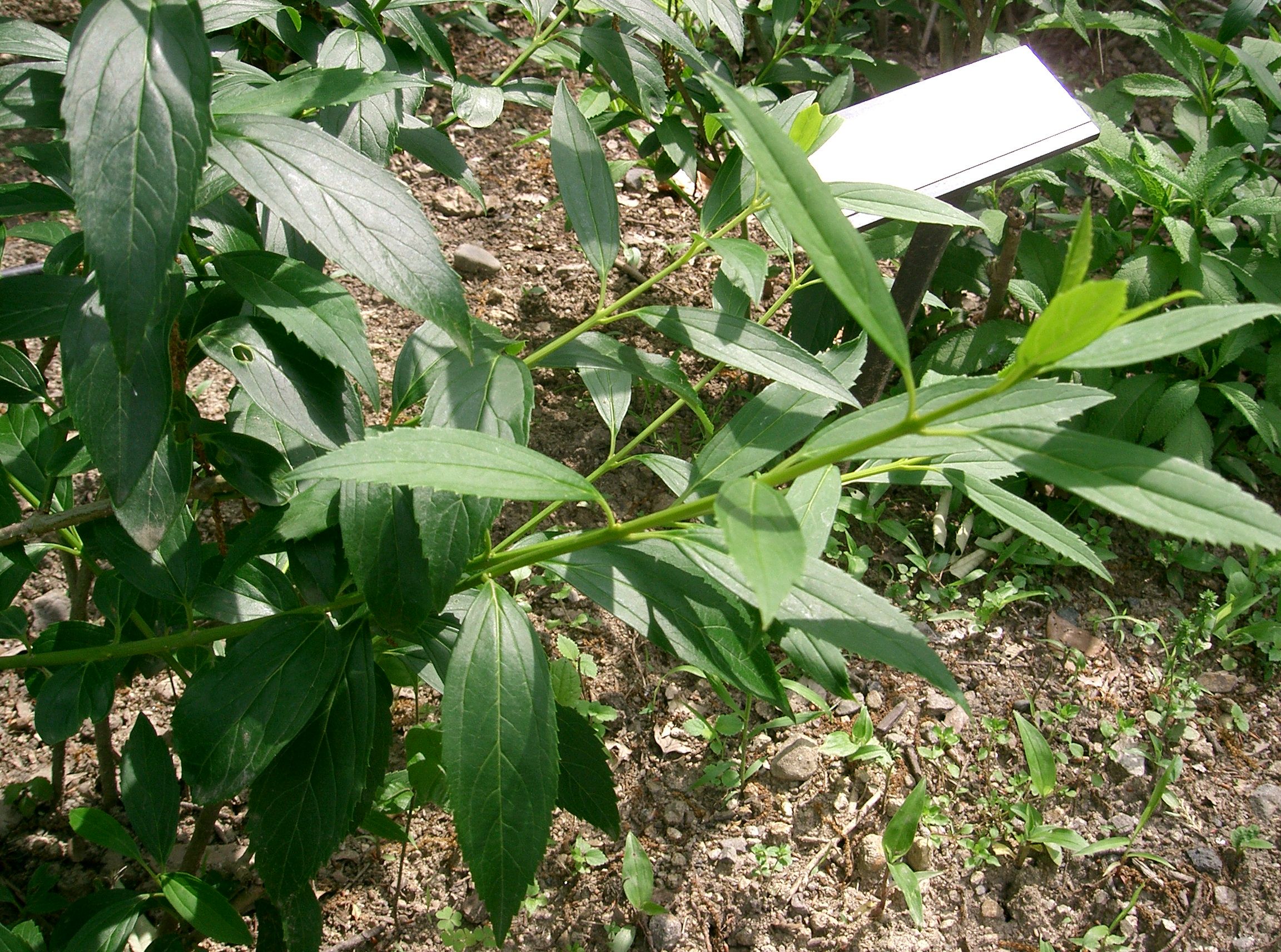
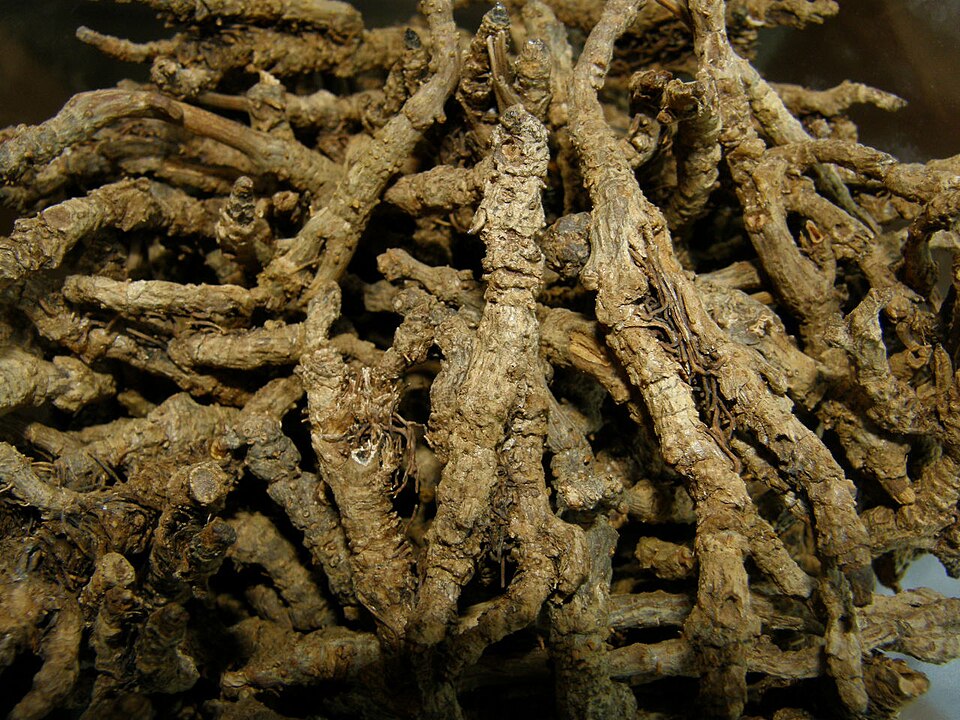
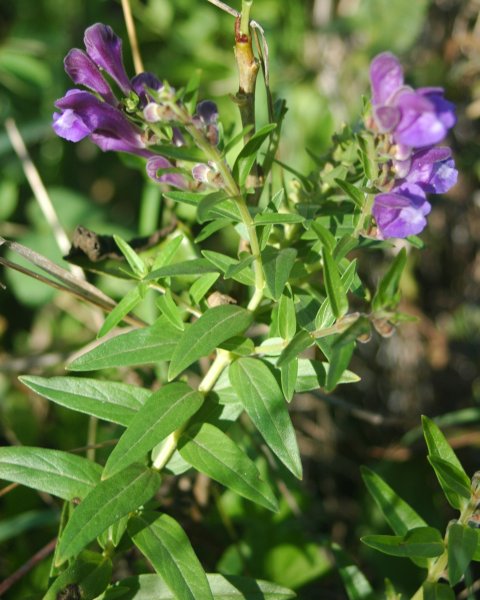
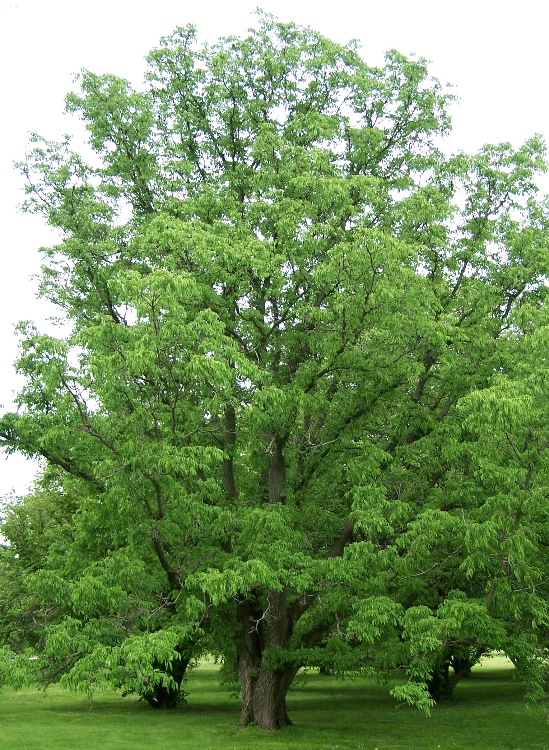
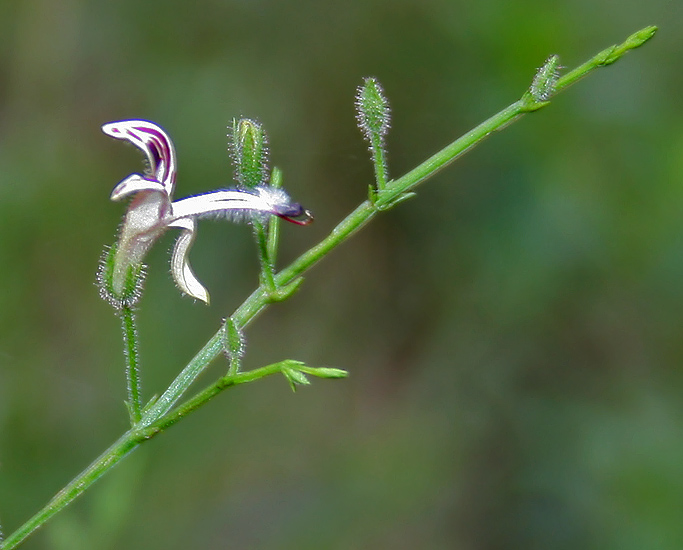
Andrographis is a small annual herb with narrow leaves and tiny pale flowers, and the aerial herb, leaf powder, and standardized extract should be identified separately. The plant grows to about half a meter with opposite, lance-shaped leaves and small two-lipped flowers, and the dried cut herb is green-brown. The raw plant offers little visual distinction, so the label, the stated part, and the extract standard matter most.
Images are for orientation only, not definitive species authentication; confirm species, part, source, and labeling with a qualified professional or authoritative monograph.
TRADITIONAL CONTEXT
Traditional Use in Context
Traditional records discuss Andrographis for intense bitter-cold heat clearing, throat and respiratory language, and seasonal illness records, and it appears in formulas and modern preparations aimed at sore throat and febrile illness, where it is often paired with Honeysuckle Flower and Forsythia Fruit, and modern products are commonly standardized to diterpenoid content. Classical texts describe it for heat-toxin presentations of the throat and respiratory tract, always within a pattern-based framework. The seasonal vocabulary is historical and does not establish efficacy against any specific infection, and severe sore throat, high fever, or breathing difficulty requires medical care rather than a traditional label.
PROCESSING CONTEXT
Raw Material, Processing, and Product Form
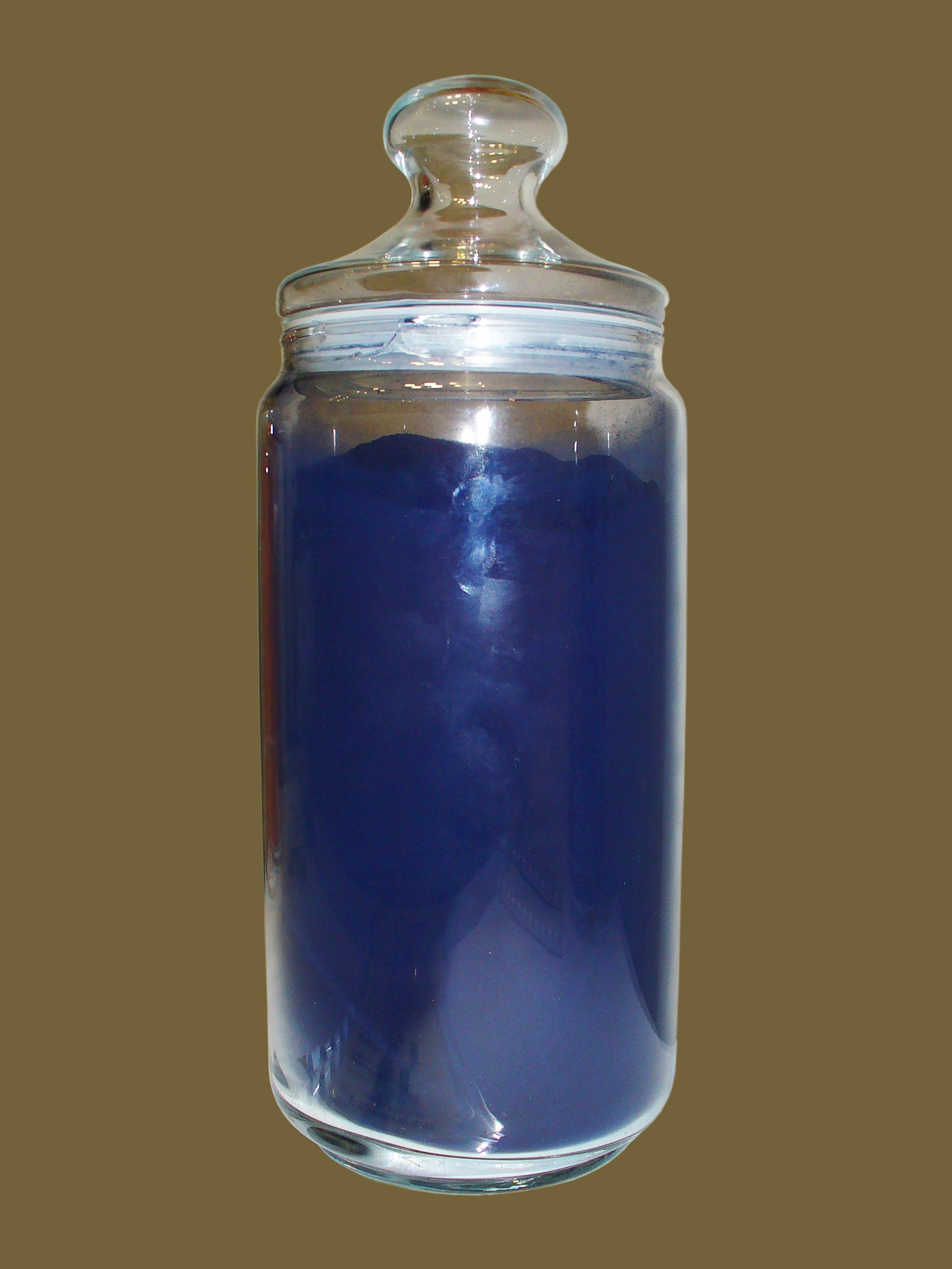
The herb is dried and cut, while modern products often use concentrated diterpenoid extracts. Extract strength and added ingredients are more important than a picture of the raw herb, and each form should carry its own concentration record.
The same name can cover a raw material, decoction piece, powder, extract, or finished product, so record the labeled form rather than assuming it; see the safety review for the questions to ask.
SAFETY REVIEW
Safety Boundaries
The material is intensely bitter and has stronger product-specific questions than many herbs, and allergy, gastrointestinal upset, liver disease, pregnancy, anticoagulants, and immune-modifying medicines all deserve review. Severe sore throat, fever, or breathing difficulty needs medical care, and this page is educational and is not a dose recommendation.
This record is not a dose recommendation; risk depends on identity, preparation, amount, duration, contamination, other medicines, and health conditions — a traditional or “natural” label cannot establish safety. For the full framework, read the Chinese Herbal Medicine Safety Review.
COMPARISON
How This Entry Differs
Compare Andrographis with Isatis Root and Honeysuckle Flower for bitter-cold respiratory language, source part, extract concentration, and allergy risk. Andrographis is the most intensely bitter and the most extract-dependent of the three. Its extreme bitterness in the raw herb explains why many modern products use standardized extracts rather than simple decoctions of the dried leaves.
Use the related-entry links below to compare identity, part, processing, and safety boundaries — similar categories do not make materials interchangeable.
STUDY METHOD
New to these entries?
Read the four-step method in How to Read a Herb Entry before comparing materials.