Herb reference entry
Chrysanthemum Flower
Chrysanthemum Flower
Chrysanthemum morifolium Ramat.
Reviewed by Kuda, September 2, 2026 - Editorial policy
OVERVIEW
What This Record Covers
Chrysanthemum Flower, called Ju Hua, is the dried flower heads of Chrysanthemum morifolium and selected cultivated varieties, a perennial of the daisy family (Asteraceae) cultivated across China for both ornamental and medicinal purposes. The medicinal material is the whole flower head, harvested at a defined opening stage and dried, and different cultivars produce white, yellow, and other flower colors with different grades. In trade it appears as whole dried flower heads, loose petals, tea blends, and extracts. Because the cultivar, color, and source region affect the record, ornamental flowers and medicinal material should never be conflated, and the label should state the cultivar and drying method.
- English name
- Chrysanthemum Flower
- Latin name
- Chrysanthemum morifolium Ramat.
- Traditional category
- Heat Clearing
- Nature
- Slightly Cold
- Flavor description
- Sweet, Bitter
- Record identifier
- juhua
IDENTIFICATION
Identification and Image Notes
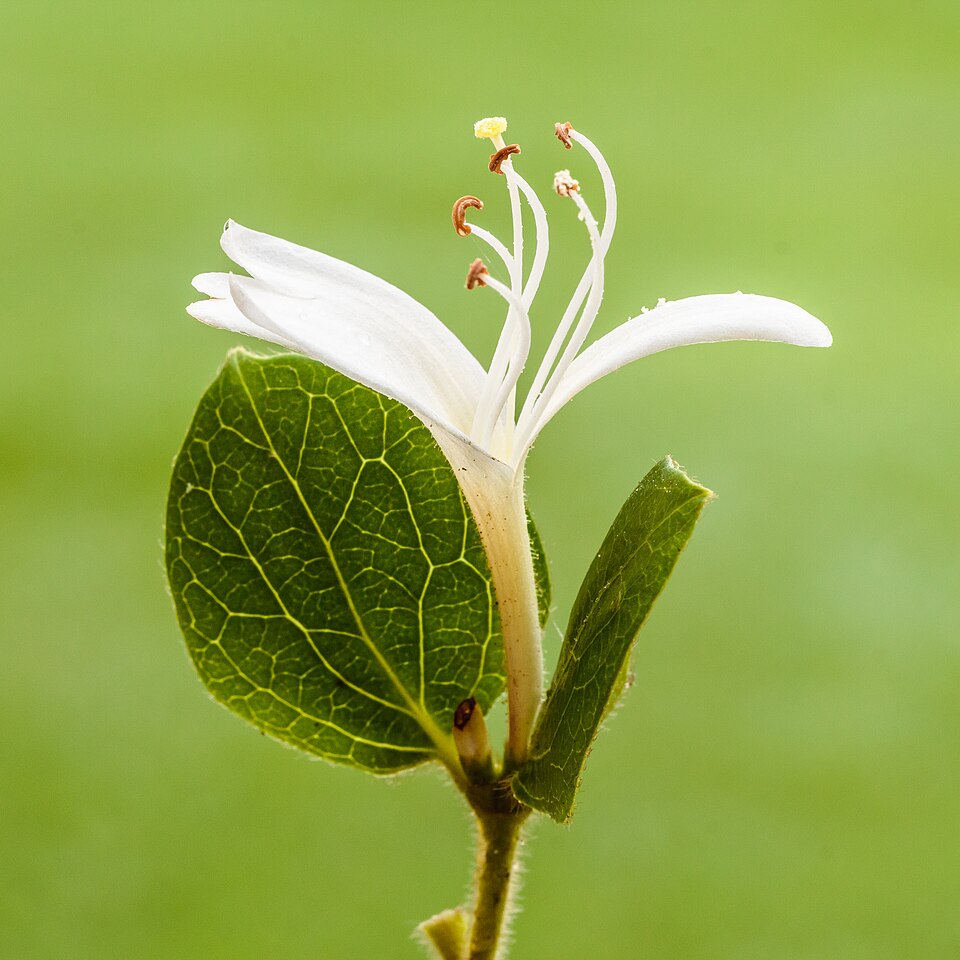
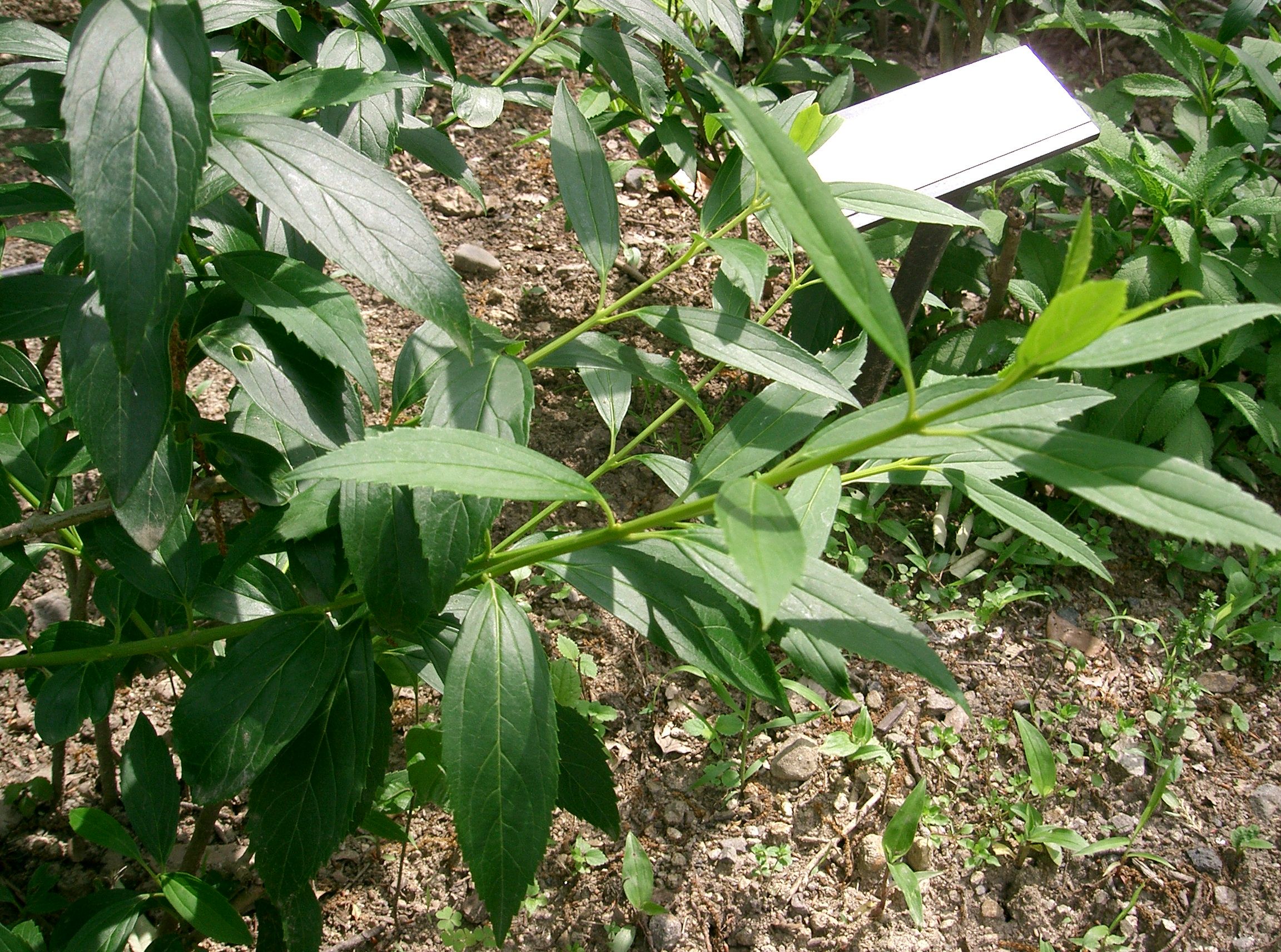
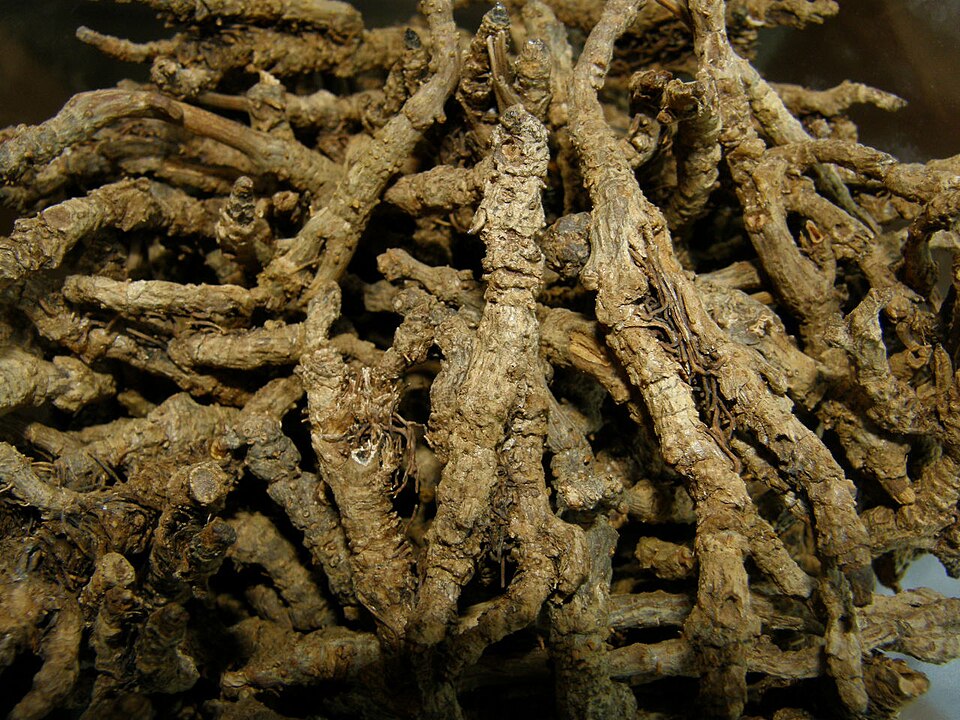
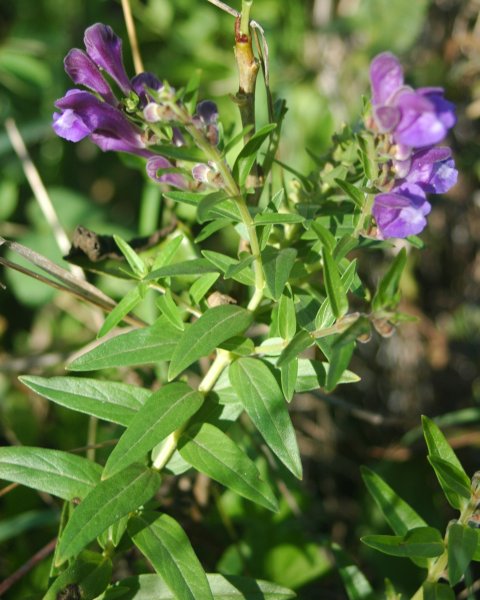
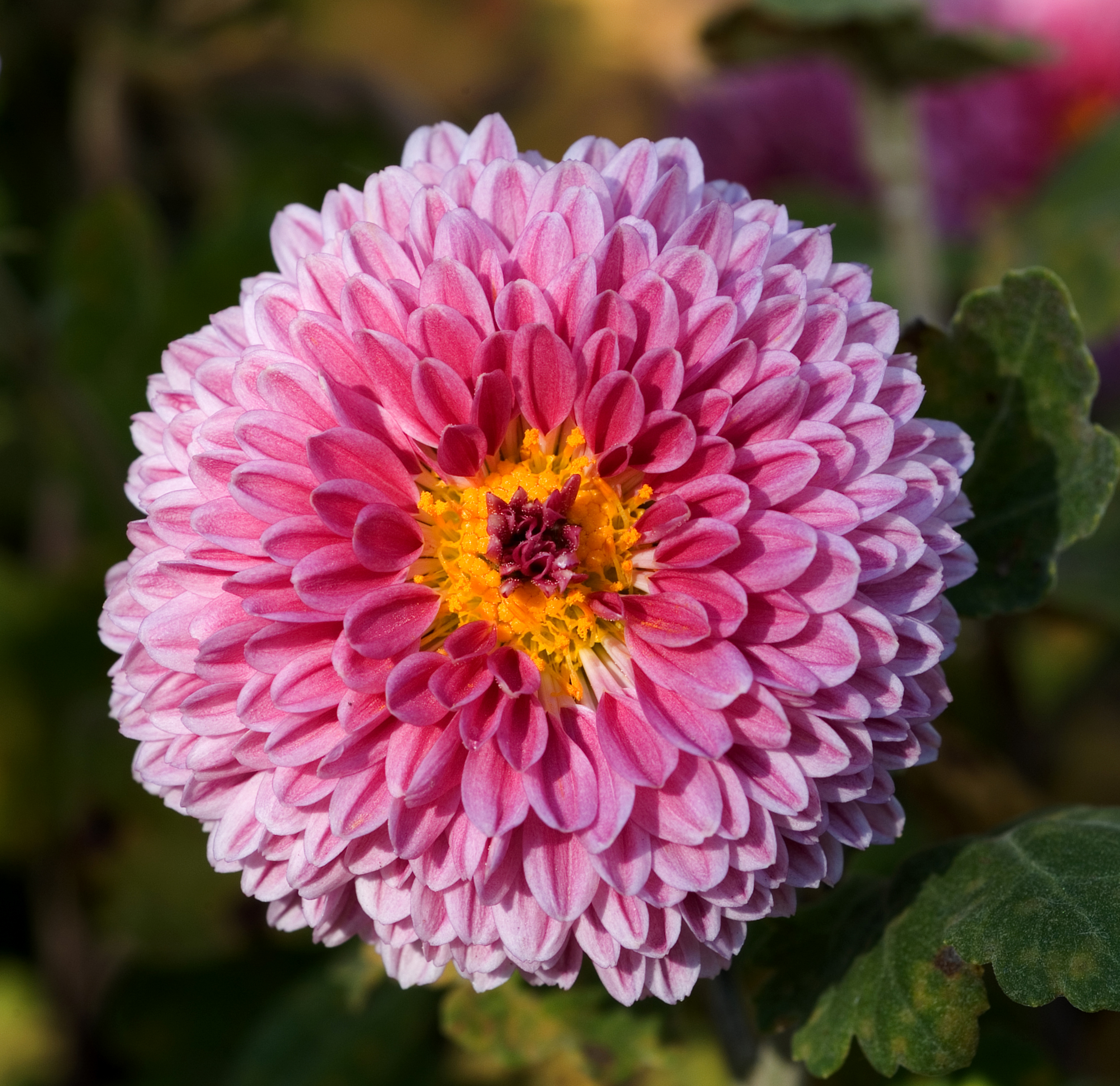
Chrysanthemum flower heads vary widely by cultivar and color, and petal shape, flower center, source region, and whether the product is ornamental or medicinal all matter. The medicinal heads are small and densely petaled, with white or yellow petals around a yellow center, and the dried heads retain a faint sweet-bitter scent. The dried heads are fragile, so storage, moisture, and the presence of petals versus whole heads should be recorded.
Images are for orientation only, not definitive species authentication; confirm species, part, source, and labeling with a qualified professional or authoritative monograph.
TRADITIONAL CONTEXT
Traditional Use in Context
Traditional records discuss Chrysanthemum for wind-heat, head and eye discomfort, liver-yang language, and a mild cooling tea-like role, and it appears in formulas aimed at headache, red or tired eyes, and dizziness-related presentations, such as Qi Ju Di Huang Wan with Goji Berry for eye-related language, and in tea blends for daily use. Classical texts describe it for wind-heat affecting the head and eyes and for calming upward heat, always within a pattern-based framework. The eye and head vocabulary is historical and does not establish the cause of a headache or visual symptom, and persistent or sudden visual change requires eye care rather than a traditional label.
PROCESSING CONTEXT
Raw Material, Processing, and Product Form
Flowers are harvested at a defined opening stage and dried, and different cultivars and drying methods create distinct grades. Tea blends and extracts need their own ingredient records, and added sweeteners or flavorings should be disclosed.
The same name can cover a raw material, decoction piece, powder, extract, or finished product, so record the labeled form rather than assuming it; see the safety review for the questions to ask.
SAFETY REVIEW
Safety Boundaries
Review Asteraceae allergy, asthma, pregnancy, and persistent eye or headache symptoms, and check the ingredients of tea blends. A tea-like form does not eliminate allergy or interaction concerns, and sudden visual change or severe headache requires medical evaluation.
This record is not a dose recommendation; risk depends on identity, preparation, amount, duration, contamination, other medicines, and health conditions — a traditional or “natural” label cannot establish safety. For the full framework, read the Chinese Herbal Medicine Safety Review.
COMPARISON
How This Entry Differs
Compare Chrysanthemum Flower with Buddleja Flower and Honeysuckle Flower for flower identity, cooling direction, and eye or throat traditions. Chrysanthemum is distinguished by its cultivar variety, its tea-like familiarity, and its specific head-and-eye vocabulary. The many cultivars sold as tea make the source region and the stated grade a necessary part of any comparison.
Use the related-entry links below to compare identity, part, processing, and safety boundaries — similar categories do not make materials interchangeable.
STUDY METHOD
New to these entries?
Read the four-step method in How to Read a Herb Entry before comparing materials.