Herb reference entry
Lepidium Seed / Descurainea Seed / Pepperweed Seed
Lepidium Seed / Descurainea Seed / Pepperweed Seed
Lepidium apetalum Willd.
Reviewed by Kuda, September 2, 2026 - Editorial policy
OVERVIEW
What This Record Covers
Lepidium Seed, called Ting Li Zi, is the dried seed of Lepidium apetalum and related pepperweed sources, annual or biennial herbs of the mustard family (Brassicaceae) that grow in fields and roadsides across Asia. The medicinal material consists of tiny, reddish-brown, pungent seeds, harvested, cleaned, and dried for use. In trade it appears as raw seeds, crushed seed material, powders, and combined formulas, and northern and southern materials have different botanical sources in some references. Because the seeds are tiny and easy to adulterate, the Latin name and batch traceability are essential parts of the record.
- English name
- Lepidium Seed / Descurainea Seed / Pepperweed Seed
- Latin name
- Lepidium apetalum Willd.
- Traditional category
- Phlegm Transforming
- Nature
- Extremely Cold
- Flavor description
- Pungent, Bitter
- Record identifier
- tinglizi
IDENTIFICATION
Identification and Image Notes
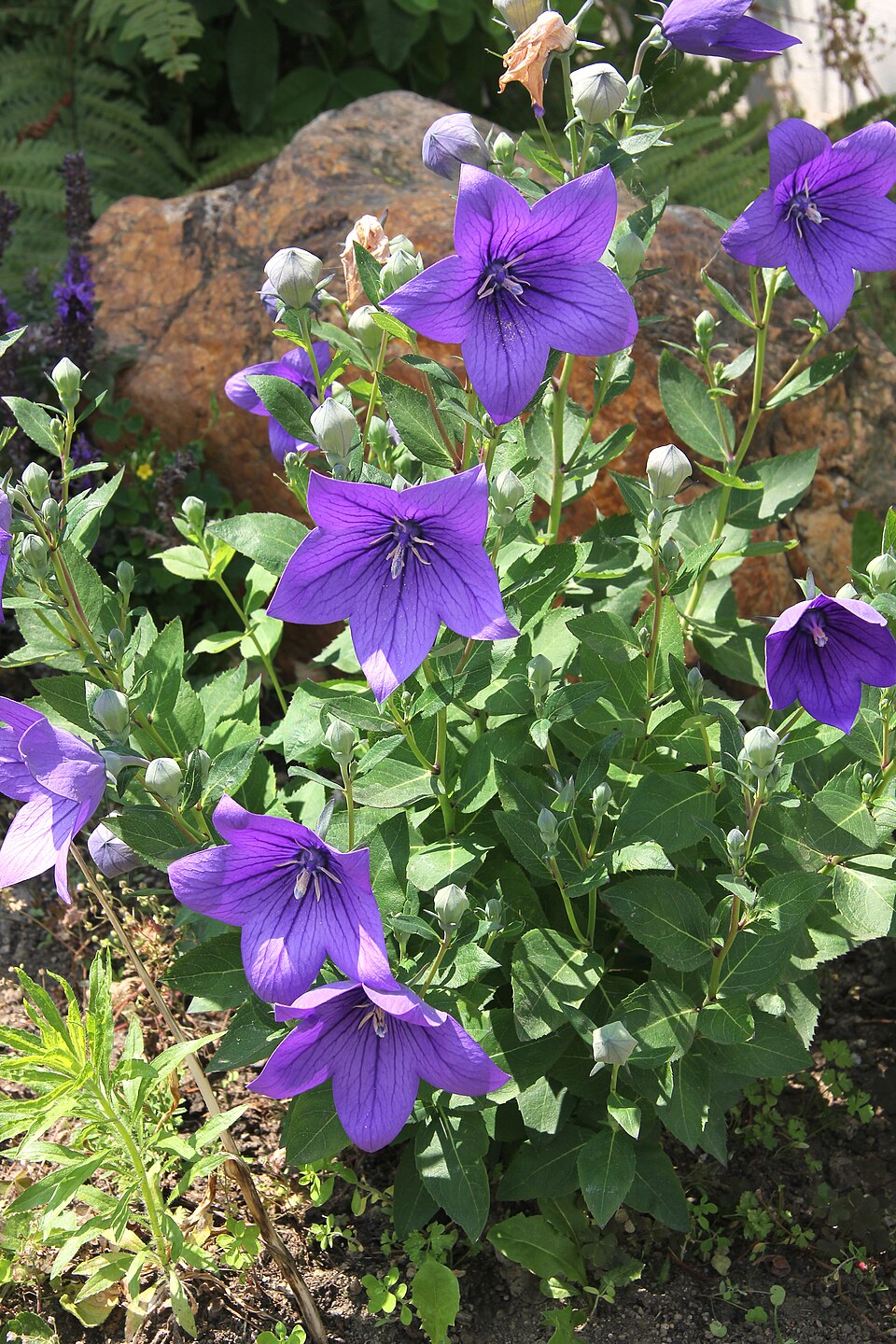
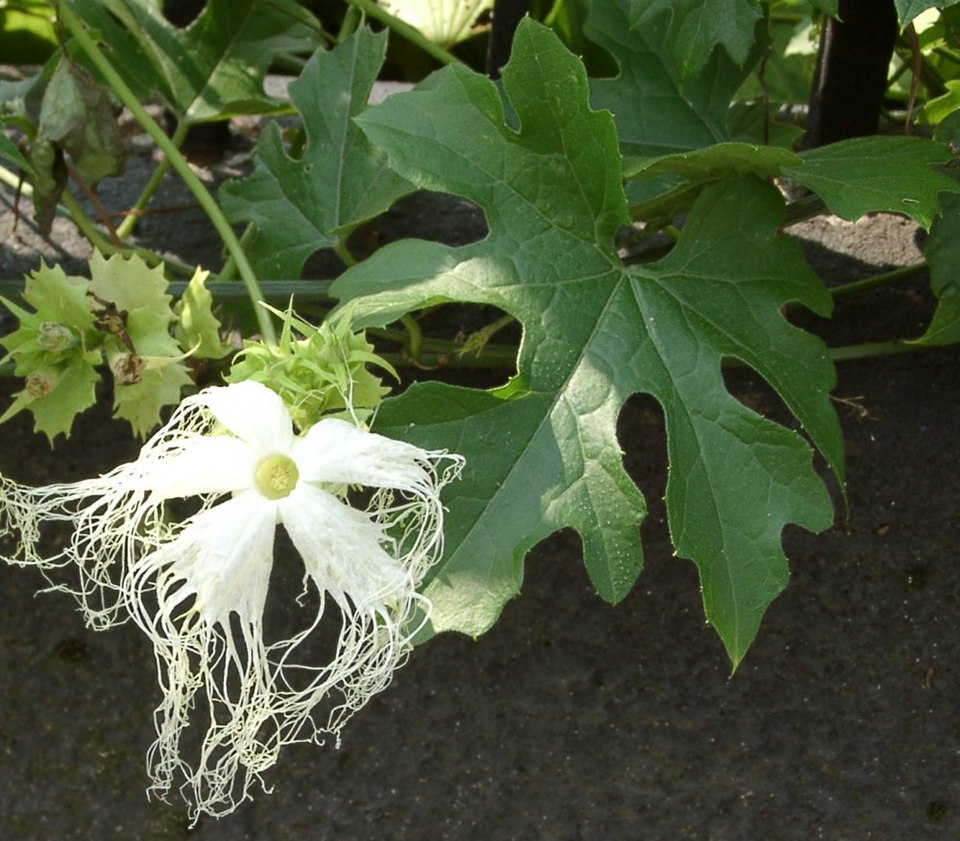
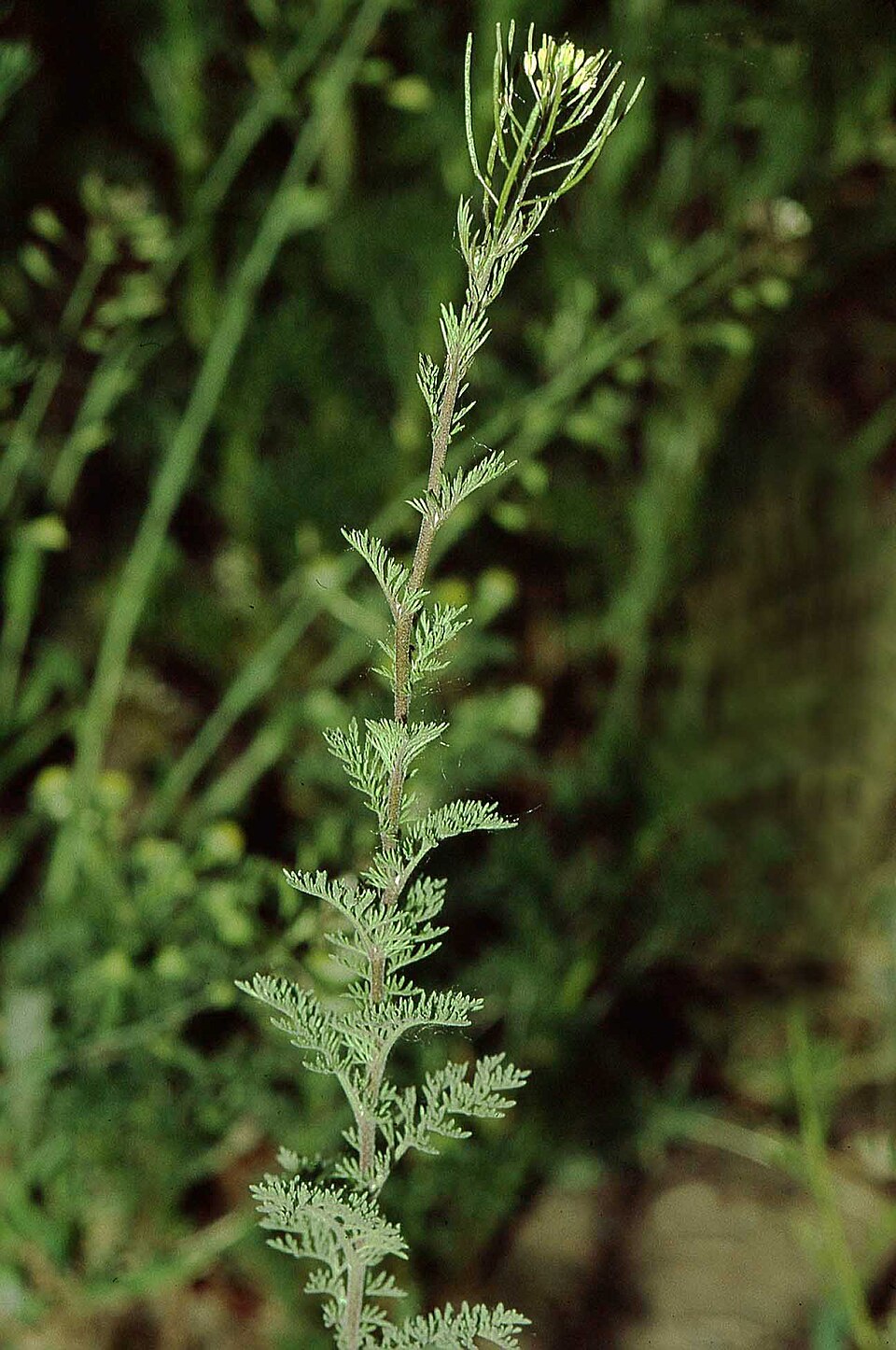
The seeds are tiny, reddish-brown, and pungent, and northern and southern materials have different botanical sources in some references, so the Latin name matters. The seeds are among the smallest in the materia medica, barely visible as individual grains, and they are usually sold as a loose granular lot. The tiny seed form is easy to adulterate with other small mustard-family seeds, and batch traceability is essential.
Images are for orientation only, not definitive species authentication; confirm species, part, source, and labeling with a qualified professional or authoritative monograph.
TRADITIONAL CONTEXT
Traditional Use in Context
Traditional records discuss Lepidium Seed for strong downward lung qi movement, phlegm-fluid, edema, and wheezing language, and it appears in classical formulas aimed at wheezing with fluid accumulation, such as Ting Li Da Zao Xie Fei Tang, where it is paired with Jujube to moderate its strong action. Classical texts describe it for directing lung qi downward and draining accumulated fluid, always within a pattern-based framework. The strong downward vocabulary is historical and is reserved in classical practice for specific patterns, and acute breathing difficulty or new edema requires prompt medical assessment rather than self-treatment. Wheezing, shortness of breath, or swelling can reflect asthma, heart failure, or other urgent conditions that a traditional label cannot distinguish.
PROCESSING CONTEXT
Raw Material, Processing, and Product Form
Seeds are cleaned, crushed, or fried before use in some records, and because small seeds are easy to adulterate, powders need batch traceability. Each processed form carries a different emphasis.
The same name can cover a raw material, decoction piece, powder, extract, or finished product, so record the labeled form rather than assuming it; see the safety review for the questions to ask.
SAFETY REVIEW
Safety Boundaries
Review asthma, fluid restriction, kidney or heart disease, pregnancy, and gastrointestinal irritation, and check for interactions with diuretics or medicines affecting the heart. Acute breathing difficulty or new edema requires prompt medical assessment, and this page is educational and is not a dose recommendation.
This record is not a dose recommendation; risk depends on identity, preparation, amount, duration, contamination, other medicines, and health conditions — a traditional or “natural” label cannot establish safety. For the full framework, read the Chinese Herbal Medicine Safety Review.
COMPARISON
How This Entry Differs
Compare Lepidium Seed with White Mulberry Root Bark and Plantain Herb for lung-fluid language, seed versus bark or whole-herb identity, and stronger caution boundaries. Lepidium is the smallest and most strongly draining of the three.
Use the related-entry links below to compare identity, part, processing, and safety boundaries — similar categories do not make materials interchangeable.
STUDY METHOD
New to these entries?
Read the four-step method in How to Read a Herb Entry before comparing materials.
Similar Herbs