Herb reference entry
Common Selfheal / Prunella Spike
Common Selfheal / Prunella Spike
Prunella vulgaris L.
Reviewed by Kuda, September 2, 2026 - Editorial policy
OVERVIEW
What This Record Covers
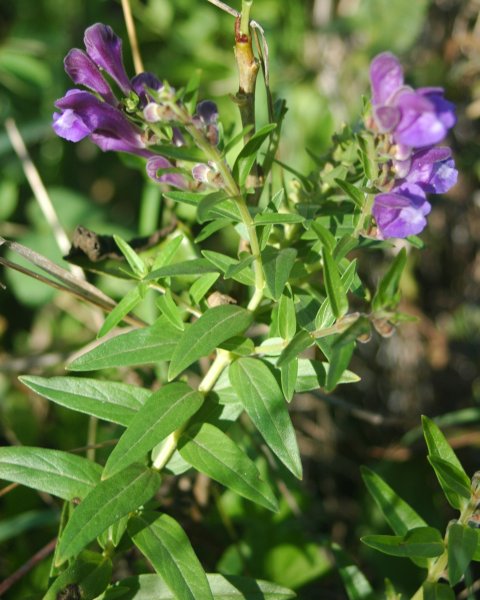
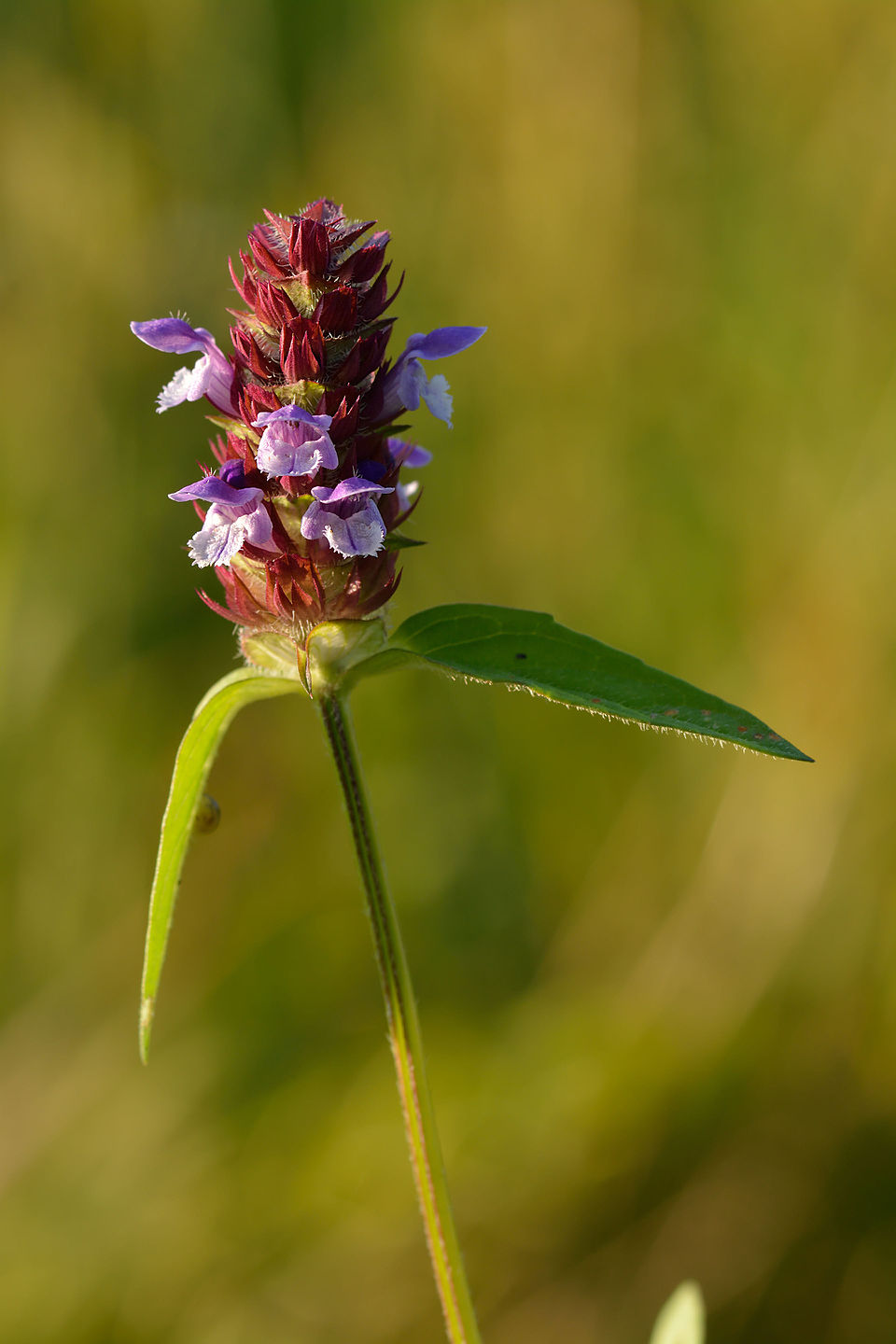
Common Selfheal, called Xia Ku Cao, is the dried fruiting spike of Prunella vulgaris, a low perennial herb of the mint family (Lamiaceae) that grows in meadows, roadsides, and open woodland across temperate Asia and Europe. The medicinal material is the compact brown-purple spike that forms after the small purple flowers fade, harvested and dried whole or cut. In trade it appears as dried spikes, cut material, teas, granules, and extracts. Because the spike is the medicinal part rather than the leaf, spike maturity, plant source, and the harvest stage are more useful than the common name alone.
- English name
- Common Selfheal / Prunella Spike
- Latin name
- Prunella vulgaris L.
- Traditional category
- Heat Clearing
- Nature
- Cold
- Flavor description
- Pungent, Bitter
- Record identifier
- xiakucao
IDENTIFICATION
Identification and Image Notes
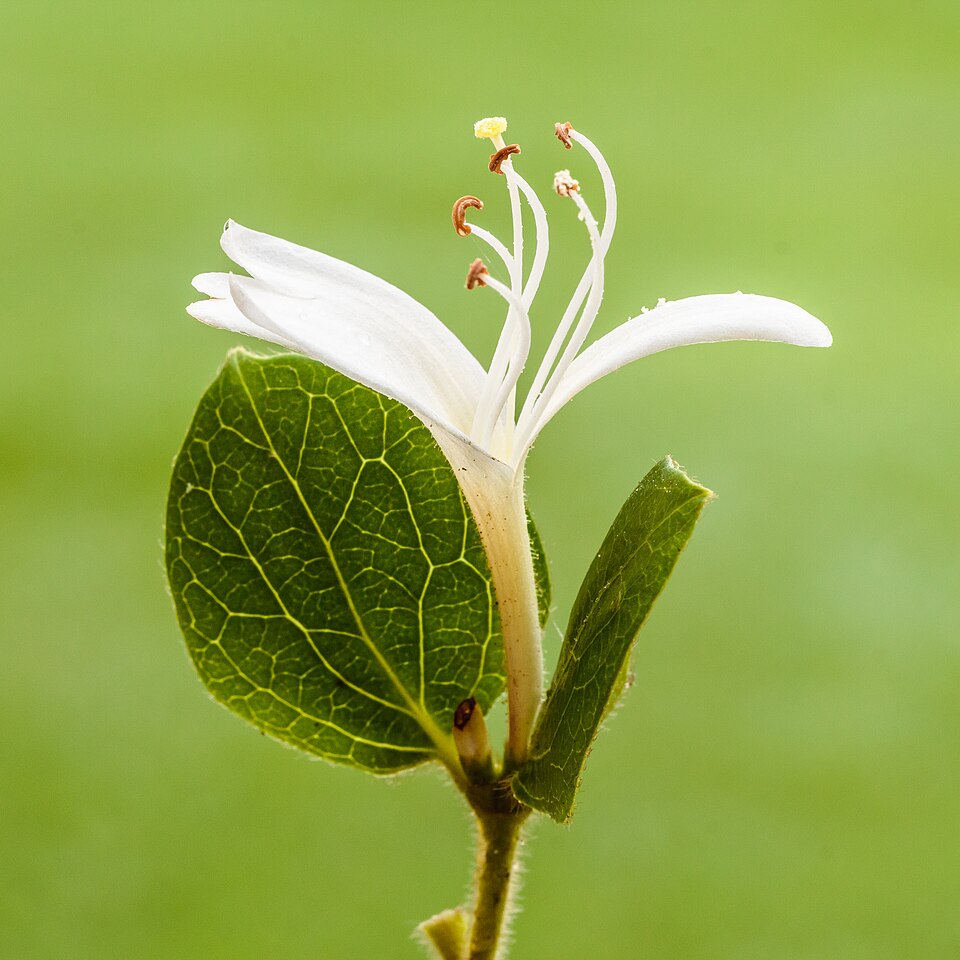
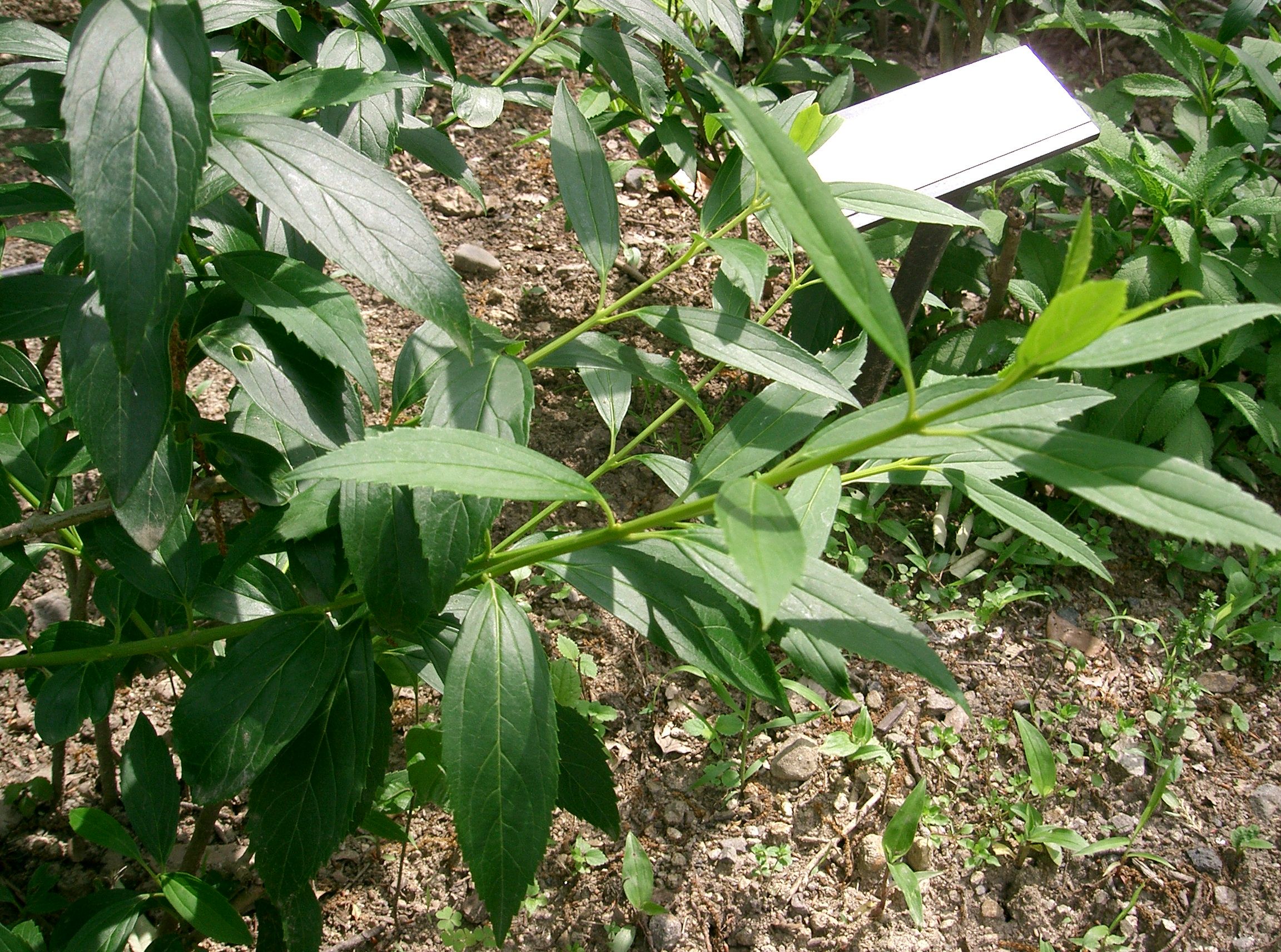
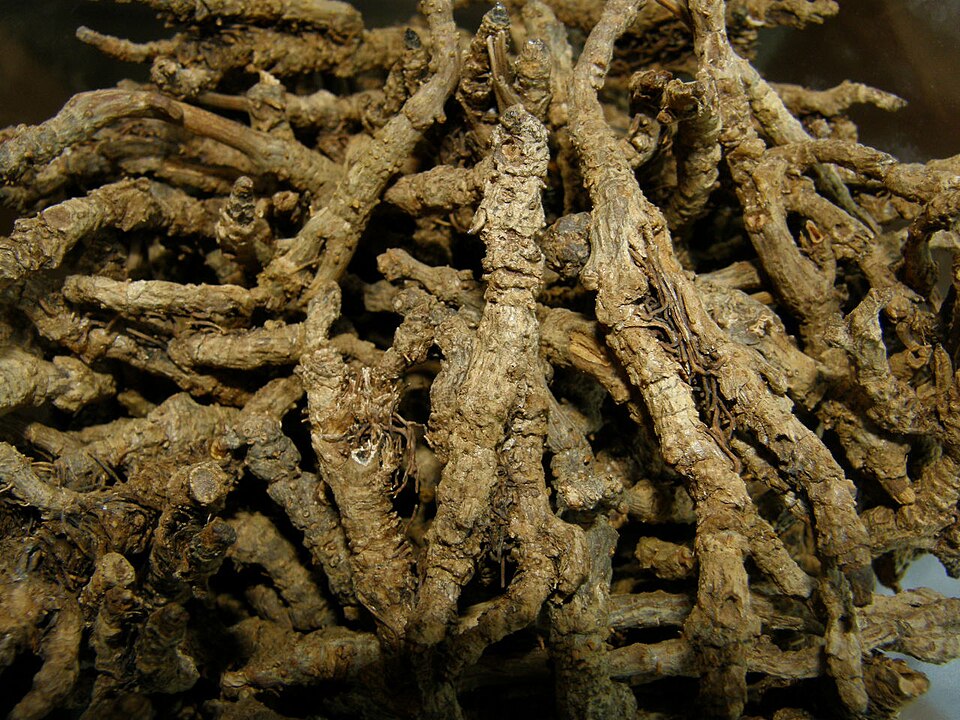
The medicinal part is a compact brown-purple spike from a low herb with opposite leaves, and spike maturity and plant source are more useful than the common name alone. The dried spike is short, dense, and brown-purple, with small dried flower remnants, and it is lightweight and easily broken. Leaves, stems, flowers, and spikes are different materials, so the label should state which part is present.
Images are for orientation only, not definitive species authentication; confirm species, part, source, and labeling with a qualified professional or authoritative monograph.
TRADITIONAL CONTEXT
Traditional Use in Context
Traditional records discuss Common Selfheal for liver heat, eye, throat, and lump or swelling language, and it appears in formulas aimed at red or painful eyes, sore throat, and swollen conditions in the neck or elsewhere, often paired with Chrysanthemum Flower and Prunella-type combinations for the head and eyes, and the spike is also a familiar plant in temperate gardens. Classical texts describe it for liver-heat presentations affecting the head and eyes and for heat-related swellings, always within a pattern-based framework. The lump vocabulary is historical, and a new mass or persistent swelling should never be treated at home: any newly felt lump, especially one that is hard, fixed, or growing, requires ordinary medical examination.
PROCESSING CONTEXT
Raw Material, Processing, and Product Form
Spikes are harvested, dried, and cut, and teas, granules, and extracts are also common. The form and concentration should accompany any safety discussion, because a spike tea and a concentrated extract are not equivalent exposures.
The same name can cover a raw material, decoction piece, powder, extract, or finished product, so record the labeled form rather than assuming it; see the safety review for the questions to ask.
SAFETY REVIEW
Safety Boundaries
Review allergy, pregnancy, anticoagulants, and persistent neck, eye, or throat changes, and check the complete ingredients of any combined product. A traditional lump description should never delay examination of a new mass, and persistent swelling or visual change requires medical assessment.
This record is not a dose recommendation; risk depends on identity, preparation, amount, duration, contamination, other medicines, and health conditions — a traditional or “natural” label cannot establish safety. For the full framework, read the Chinese Herbal Medicine Safety Review.
COMPARISON
How This Entry Differs
Compare Common Selfheal with Chrysanthemum Flower for the spike-versus-flower-head identities, and with Chinese Gentian for the much stronger bitter-cold end of the liver-heat vocabulary. Selfheal is the gentler, spike-based member of the group. The spike form is also what separates it from the leafy and root-based members of the same traditional category.
Use the related-entry links below to compare identity, part, processing, and safety boundaries — similar categories do not make materials interchangeable.
STUDY METHOD
New to these entries?
Read the four-step method in How to Read a Herb Entry before comparing materials.