Herb reference entry
Apricot Kernel / Bitter Apricot Seed
Apricot Kernel / Bitter Apricot Seed
Prunus armeniaca L.(Prunus sibirica L.)
Reviewed by Kuda, September 2, 2026 - Editorial policy
OVERVIEW
What This Record Covers
Apricot Kernel, called Xing Ren, is the seed kernel of Prunus armeniaca and accepted bitter-apricot sources, a stone-fruit tree of the rose family (Rosaceae) cultivated across temperate Asia. The medicinal material is the flat, almond-shaped kernel removed from the hard shell, pale inside, and cleaned and dried for use. In trade it appears as whole kernels, peeled kernels, crushed pieces, powders, and combined cough formulas, and bitter and sweet kernel types are different materials. Because bitter apricot kernels contain naturally occurring cyanogenic compounds, the species, the kernel type, and the product form matter for safety.
- English name
- Apricot Kernel / Bitter Apricot Seed
- Latin name
- Prunus armeniaca L.(Prunus sibirica L.)
- Traditional category
- Phlegm Transforming
- Nature
- Slightly Warm
- Flavor description
- Bitter
- Record identifier
- xingren
IDENTIFICATION
Identification and Image Notes
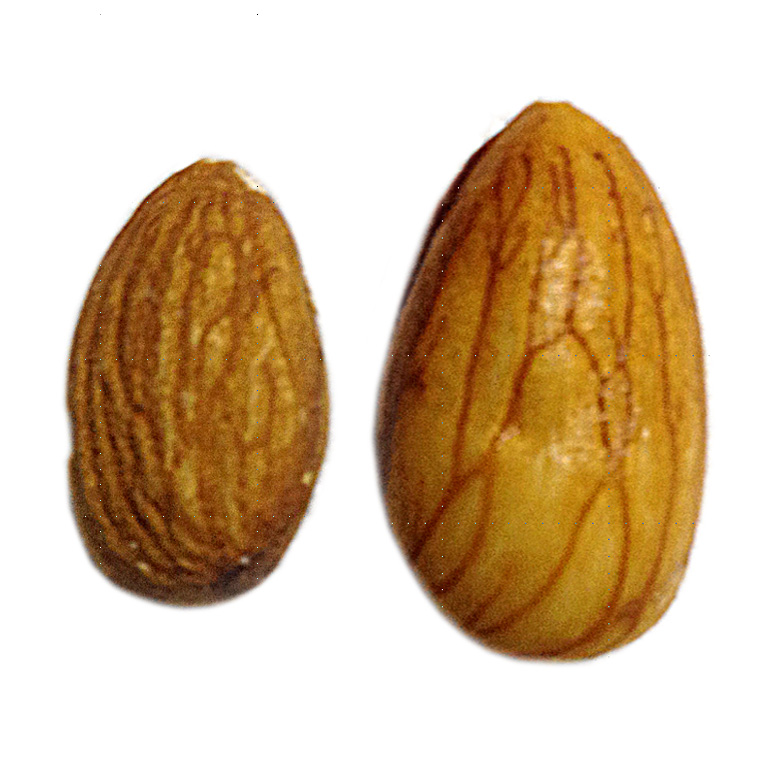
The kernels are flat, almond-shaped, and pale inside, and bitter and sweet types, species, and the distinction between kernel and shell matter for safety. The dried kernel is about a centimeter long, with a thin brown seed coat and a pale interior that releases an almond-like aroma when broken, and the bitter form is noticeably more pungent than the sweet type. The bitter taste is an orientation clue, but the kernel type and the species should be confirmed with the label, and the shelled kernel should not be confused with other Prunus seeds.
Images are for orientation only, not definitive species authentication; confirm species, part, source, and labeling with a qualified professional or authoritative monograph.
TRADITIONAL CONTEXT
Traditional Use in Context
Traditional records discuss Apricot Kernel for lung qi descent, cough, wheezing, and intestinal dryness, and it is a standard ingredient in classical cough formulas such as San Ao Tang and in combinations with Mulberry Leaf and Gypsum for heat-related cough, and with Hemp Seed in the bowel-moistening formula Ma Zi Ren Wan. Classical texts describe it for directing lung qi downward and moistening the intestines, always within a pattern-based framework. The cough vocabulary is historical, and breathing difficulty, wheezing, or a persistent cough requires medical care rather than self-treatment with kernels, which also carry cyanogenic-compound questions at higher intake.
PROCESSING CONTEXT
Raw Material, Processing, and Product Form
Kernels are cleaned, peeled, and may be stir-fried or crushed, and oils, extracts, and food apricot kernels should not be treated as the same exposure. Each form carries its own quantity and safety record.
The same name can cover a raw material, decoction piece, powder, extract, or finished product, so record the labeled form rather than assuming it; see the safety review for the questions to ask.
SAFETY REVIEW
Safety Boundaries
Bitter apricot kernels can contain cyanogenic compounds and require strict product and quantity control, and they should not be self-dosed for cough. Breathing difficulty, dizziness, headache, or vomiting after ingestion requires urgent care, and this page is educational and is not a dose recommendation.
This record is not a dose recommendation; risk depends on identity, preparation, amount, duration, contamination, other medicines, and health conditions — a traditional or “natural” label cannot establish safety. For the full framework, read the Chinese Herbal Medicine Safety Review.
COMPARISON
How This Entry Differs
Compare Apricot Kernel with Snakegourd Fruit and Stemona Root for cough language, seed identity, cyanogenic risk, and product form. Apricot Kernel is the seed of a familiar fruit tree, which makes its toxicity questions easy to overlook. In formula practice it blends easily with other cough herbs because the kernel form cooks quickly into decoctions. The bitter and sweet kernel types are sold as different materials, and the label should state which one is present.
Use the related-entry links below to compare identity, part, processing, and safety boundaries — similar categories do not make materials interchangeable.
STUDY METHOD
New to these entries?
Read the four-step method in How to Read a Herb Entry before comparing materials.
Similar Herbs