Herb reference entry
Heartleaf Houttuynia / Fish Mint
Heartleaf Houttuynia / Fish Mint
Houttuynia cordata Thunb.
Reviewed by Kuda, September 2, 2026 - Editorial policy
OVERVIEW
What This Record Covers
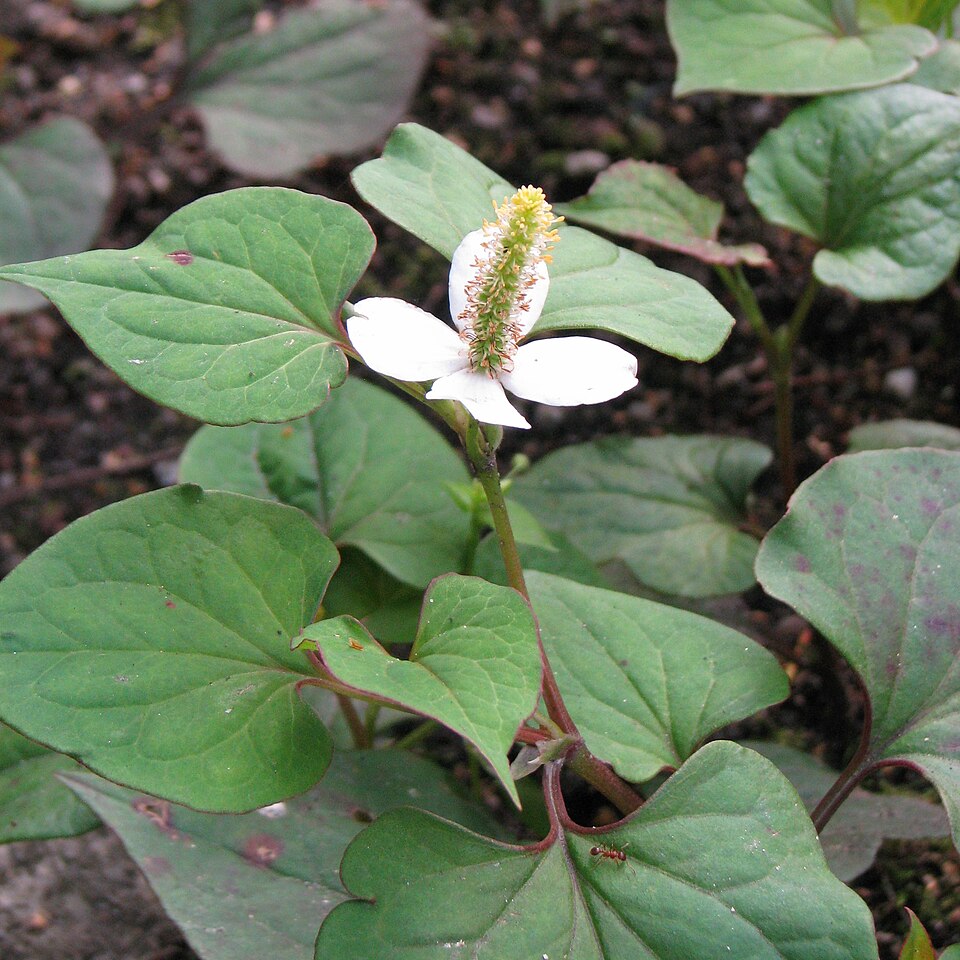
Heartleaf Houttuynia, called Yu Xing Cao, is the dried aerial part or fresh herb of Houttuynia cordata, a low perennial herb of the lizard-tail family (Saururaceae) that grows in moist, shaded ground across eastern and southern Asia. The plant has heart-shaped leaves, a distinctive fish-like aroma (the source of its Chinese name), and a small white spike surrounded by petal-like bracts. In trade it appears as fresh herb, dried cut material, teas, juices, and extracts, and it is also a familiar culinary vegetable in some regions. Fresh culinary use and dried medicinal material are different forms and should be recorded separately.
- English name
- Heartleaf Houttuynia / Fish Mint
- Latin name
- Houttuynia cordata Thunb.
- Traditional category
- Heat Clearing
- Nature
- Slightly Cold
- Flavor description
- Pungent
- Record identifier
- yuxingcao
IDENTIFICATION
Identification and Image Notes
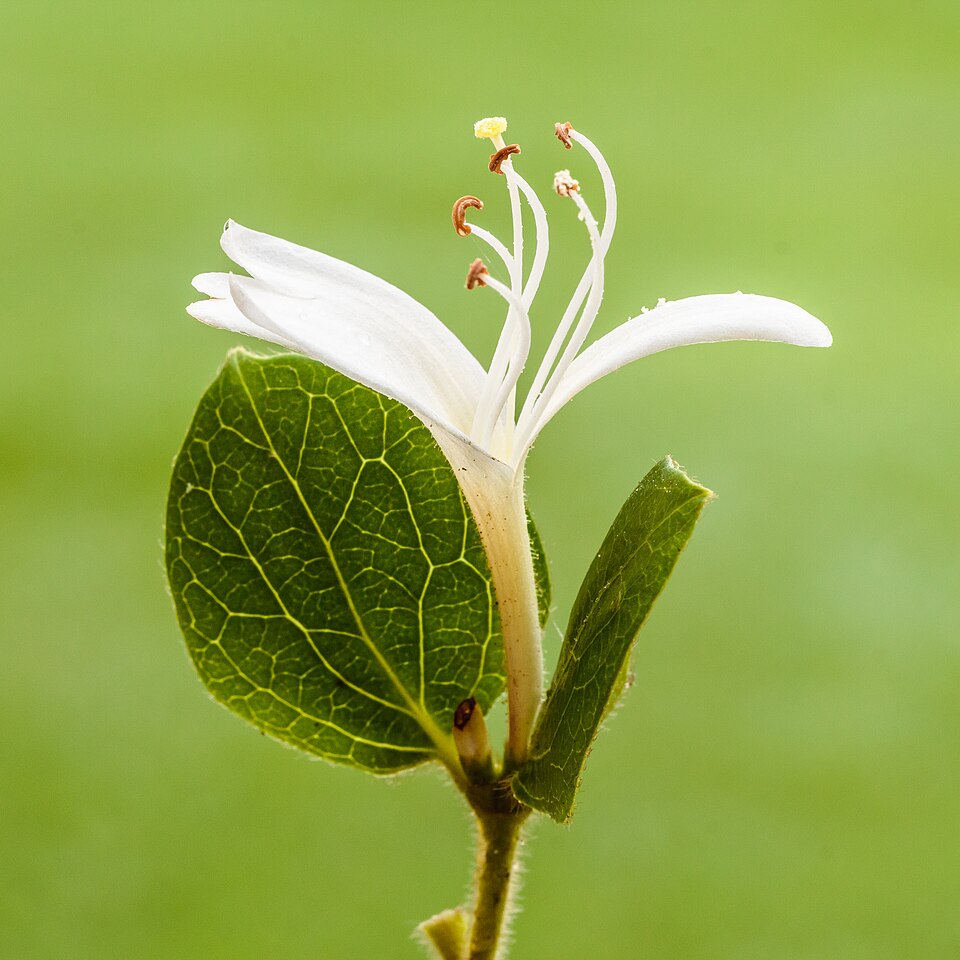
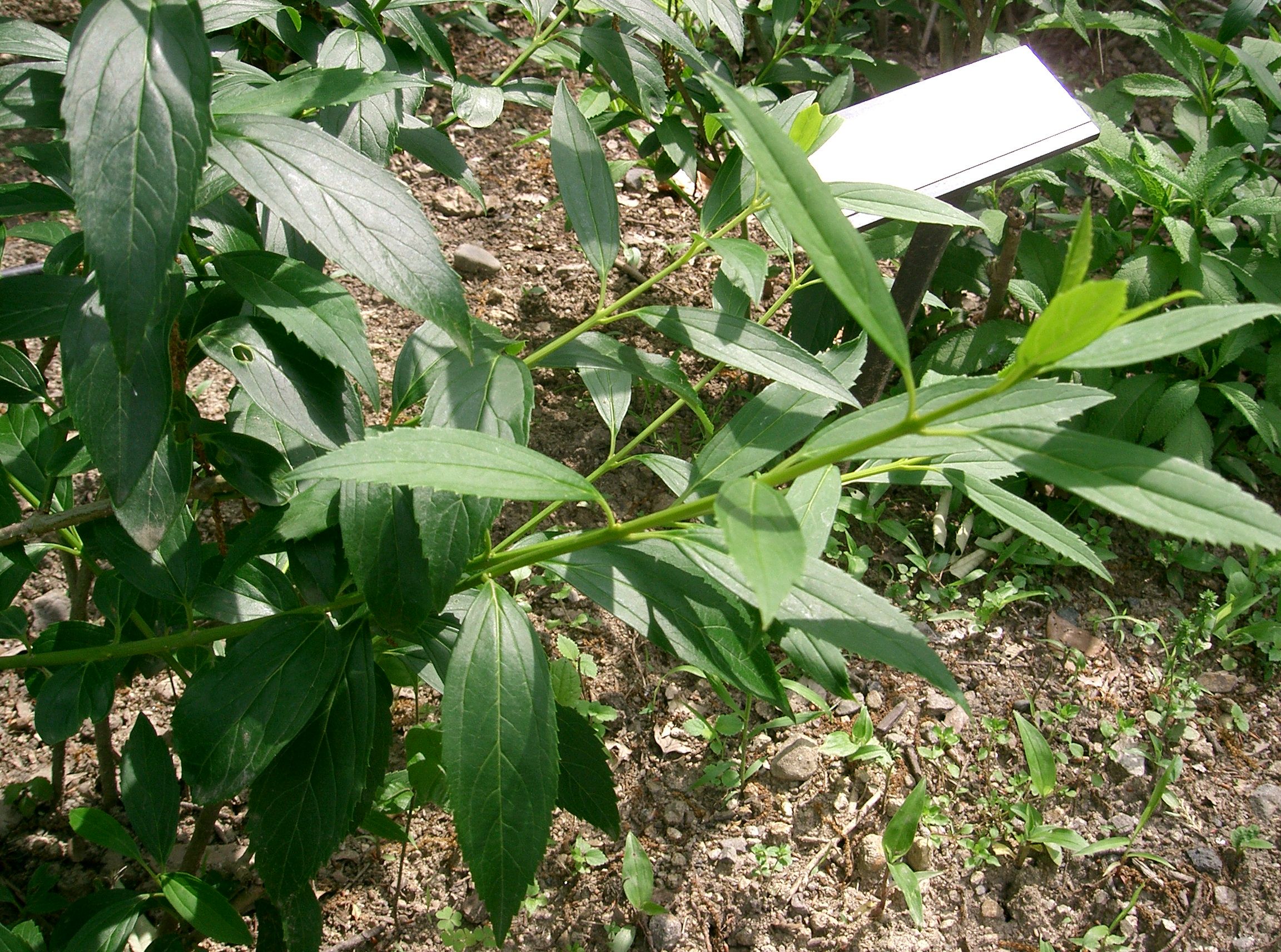
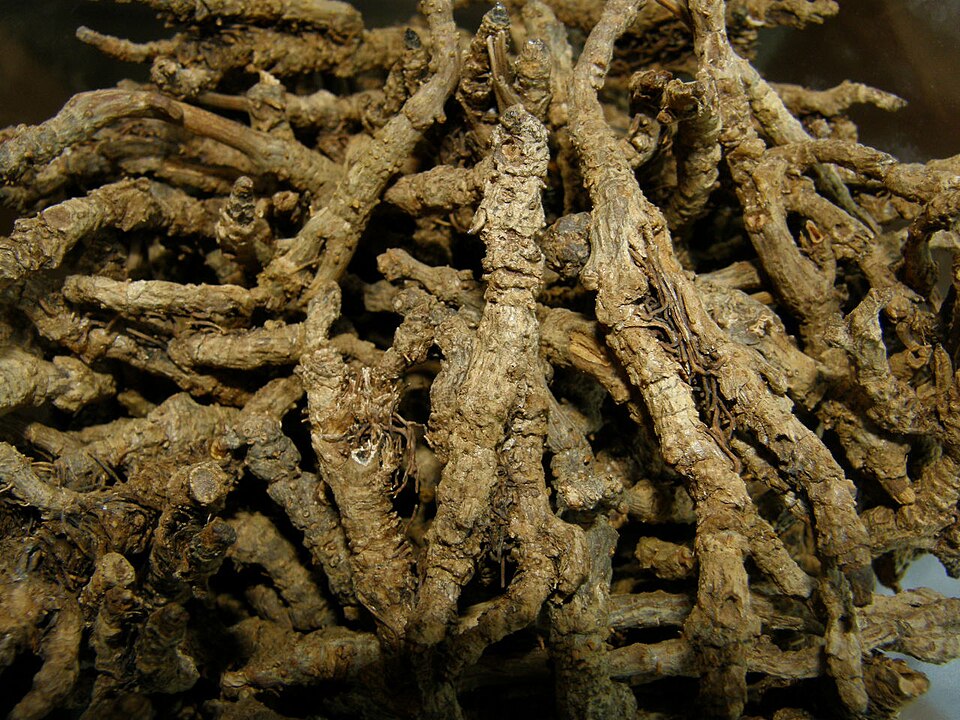
The plant has heart-shaped leaves, a distinctive fish-like aroma, and a white spike surrounded by petal-like bracts, and fresh culinary use and dried medicinal material are different forms. The fresh leaves are green and heart-shaped with a marked fishy odor, while the dried herb is brownish-green with a weaker, hay-like scent. The aroma fades with drying and storage, so the label and the stated part matter more than a photograph.
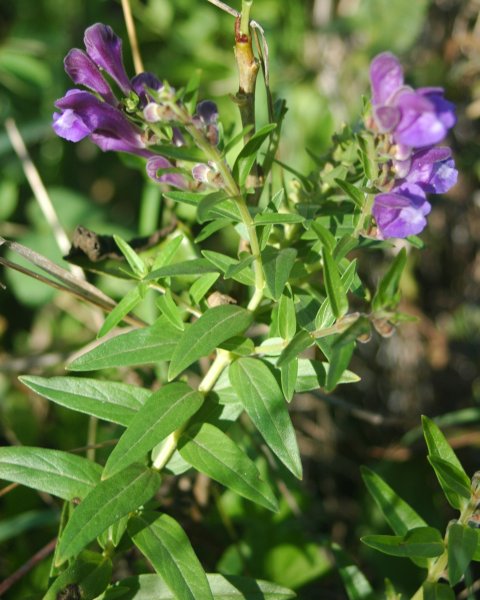
Images are for orientation only, not definitive species authentication; confirm species, part, source, and labeling with a qualified professional or authoritative monograph.
TRADITIONAL CONTEXT
Traditional Use in Context
Traditional records discuss Heartleaf Houttuynia for lung and urinary heat, abscess or swelling language, and pungent cooling descriptions, and it appears in formulas aimed at lung-heat cough and urinary discomfort, and the fresh herb is a familiar vegetable in some regions. Classical texts describe it for heat-related respiratory and urinary presentations and for swelling language, always within a pattern-based framework. The respiratory vocabulary is historical, and breathing or urinary symptoms should not be assigned to a “heat” category without clinical evaluation. Cough with fever, blood, or breathing difficulty requires medical care.
PROCESSING CONTEXT
Raw Material, Processing, and Product Form
The herb may be used fresh, dried, steamed, or extracted, and heat, storage, and preparation change aroma and exposure. Injectable products require a separate medical standard and should never be compared with food or tea forms.
The same name can cover a raw material, decoction piece, powder, extract, or finished product, so record the labeled form rather than assuming it; see the safety review for the questions to ask.
SAFETY REVIEW
Safety Boundaries
Review allergy, gastrointestinal effects, kidney disease, and the form of any product, and check for interactions with medicines affecting the kidney or urinary tract. Breathing or urinary symptoms should not be assigned to a heat category without evaluation, and persistent symptoms need ordinary medical care.
This record is not a dose recommendation; risk depends on identity, preparation, amount, duration, contamination, other medicines, and health conditions — a traditional or “natural” label cannot establish safety. For the full framework, read the Chinese Herbal Medicine Safety Review.
COMPARISON
How This Entry Differs
Compare Heartleaf Houttuynia with Dandelion for the whole-herb identities, and with Andrographis for the much stronger bitter-cold end of the respiratory vocabulary. Houttuynia is distinguished by its pungent aroma, its food-adjacent familiarity, and its lung-and-urinary pairing.
Use the related-entry links below to compare identity, part, processing, and safety boundaries — similar categories do not make materials interchangeable.
STUDY METHOD
New to these entries?
Read the four-step method in How to Read a Herb Entry before comparing materials.