Herb reference entry
Gardenia Fruit / Cape Jasmine Fruit
Gardenia Fruit / Cape Jasmine Fruit
Gardenia jasminoides J.Ellis
Reviewed by Kuda, September 2, 2026 - Editorial policy
OVERVIEW
What This Record Covers
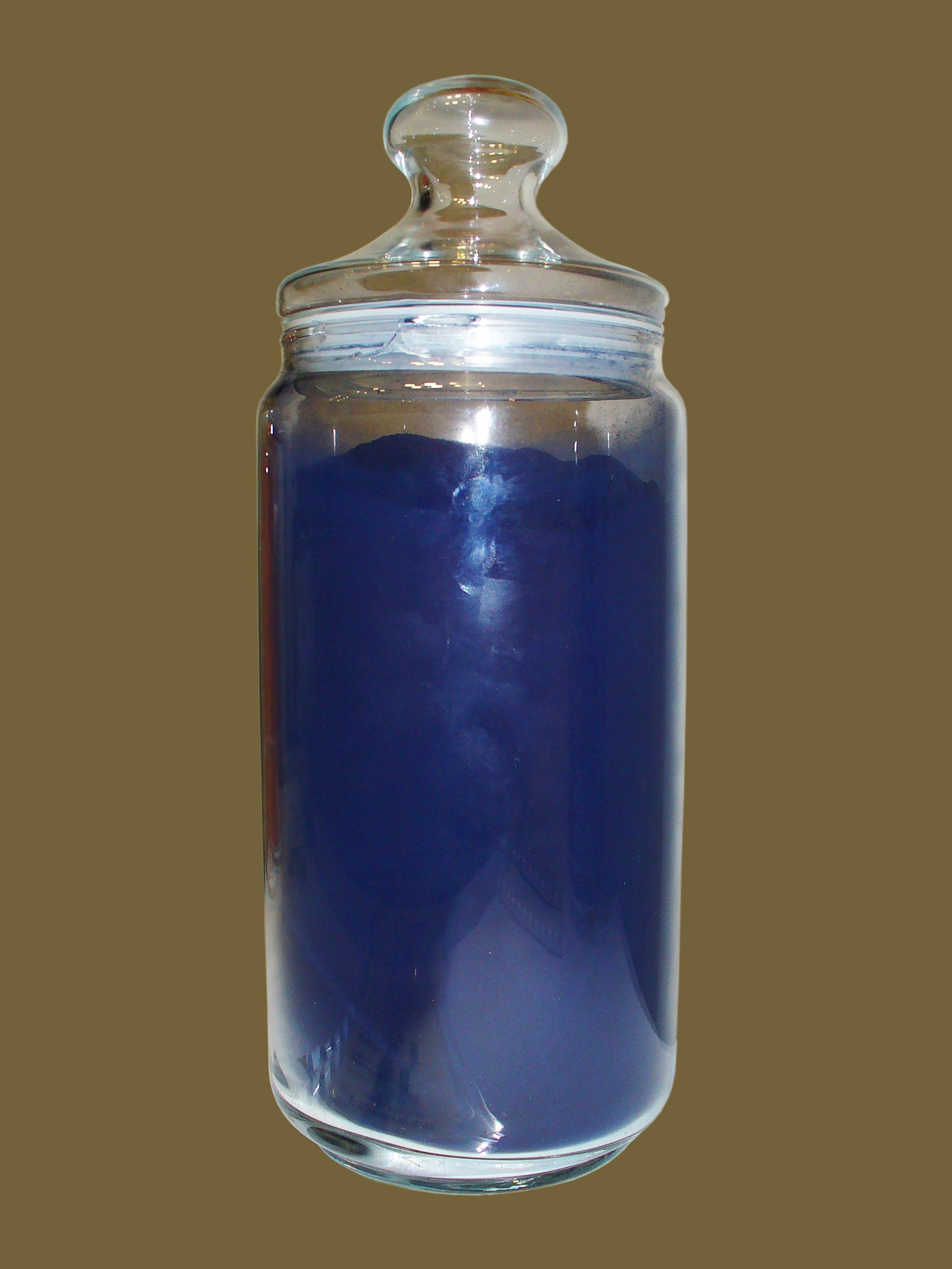
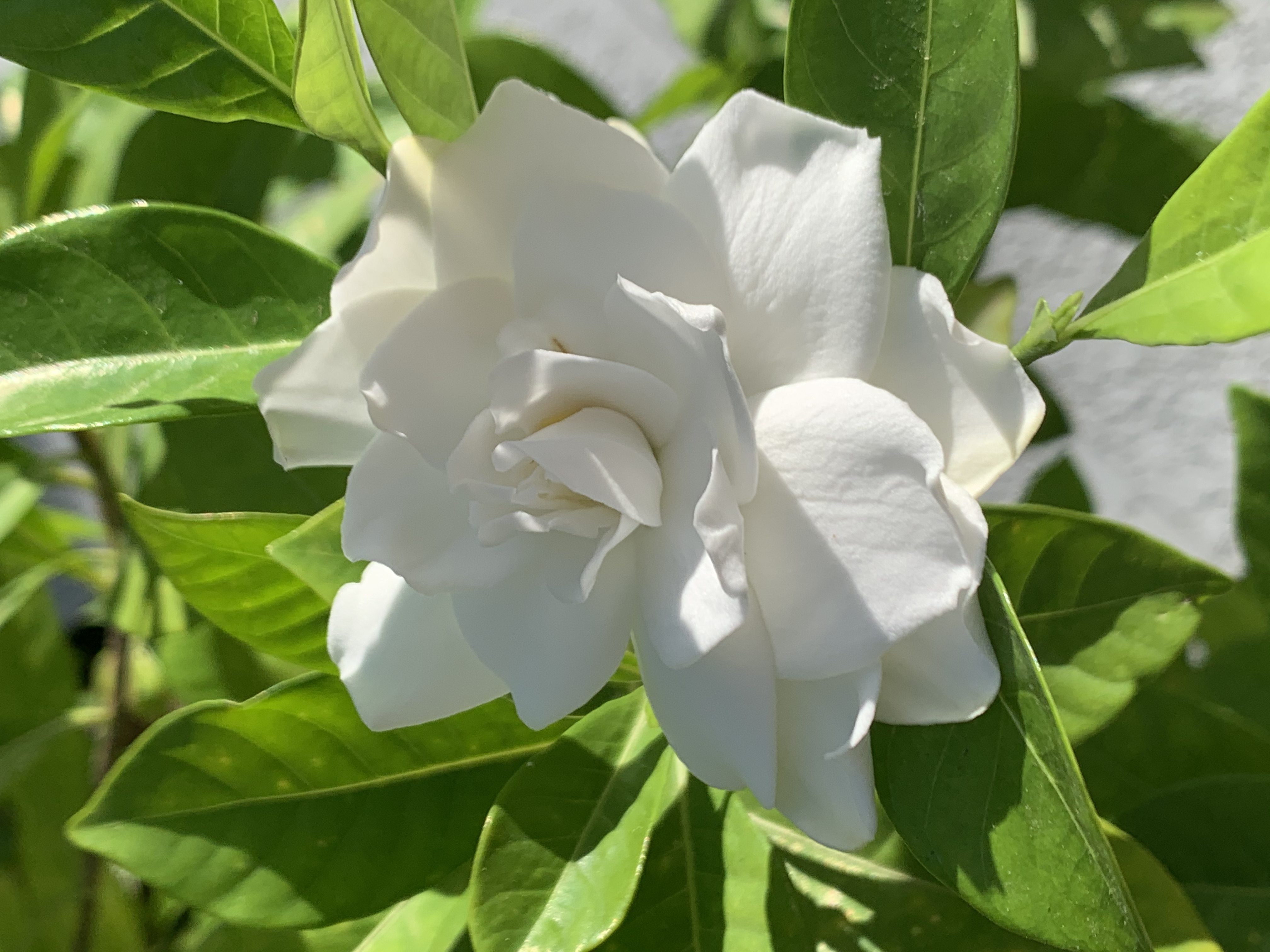
Gardenia Fruit, called Zhi Zi, is the dried fruit of Gardenia jasminoides, the cape jasmine, an evergreen shrub of the coffee family (Rubiaceae) grown as both an ornamental and a medicinal plant across warm regions of Asia. The medicinal material is the oval, ridged, orange-red fruit, harvested when mature and dried whole or cut. In trade it appears as whole fruits, broken pieces, powders, granules, and extracts, and the fruit pigments are sometimes used as a natural colorant. Because fruit maturity, color, and processing change the record, the fruit stage and the product form should be stated on the label.
- English name
- Gardenia Fruit / Cape Jasmine Fruit
- Latin name
- Gardenia jasminoides J.Ellis
- Traditional category
- Heat Clearing
- Nature
- Cold
- Flavor description
- Bitter
- Record identifier
- zhizi
IDENTIFICATION
Identification and Image Notes
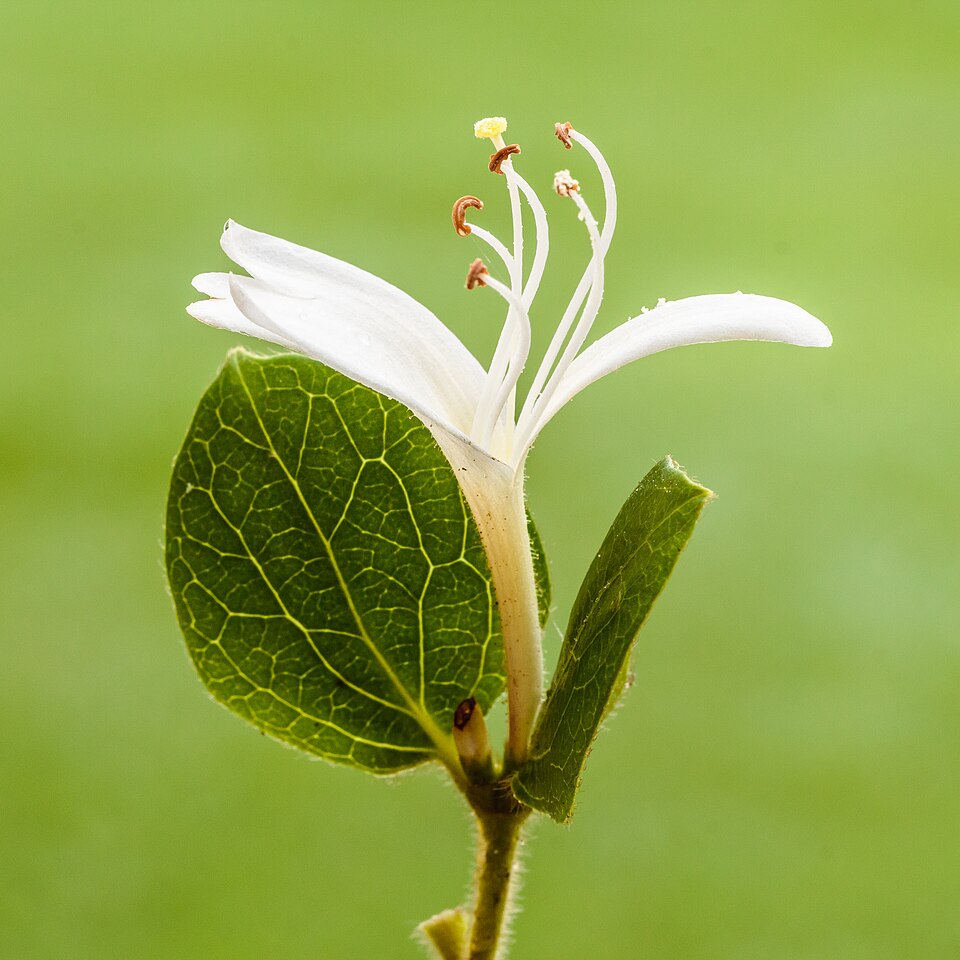
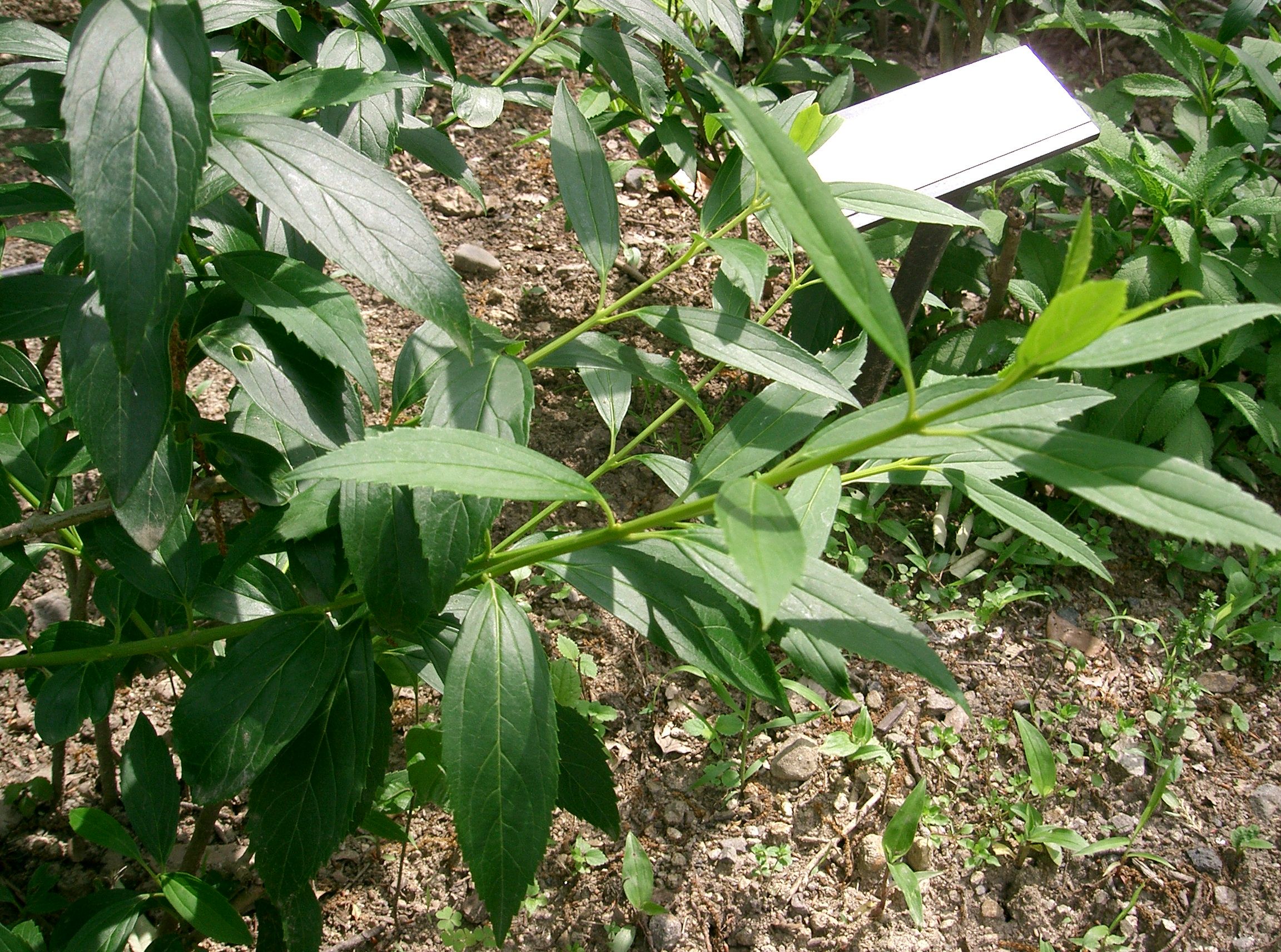
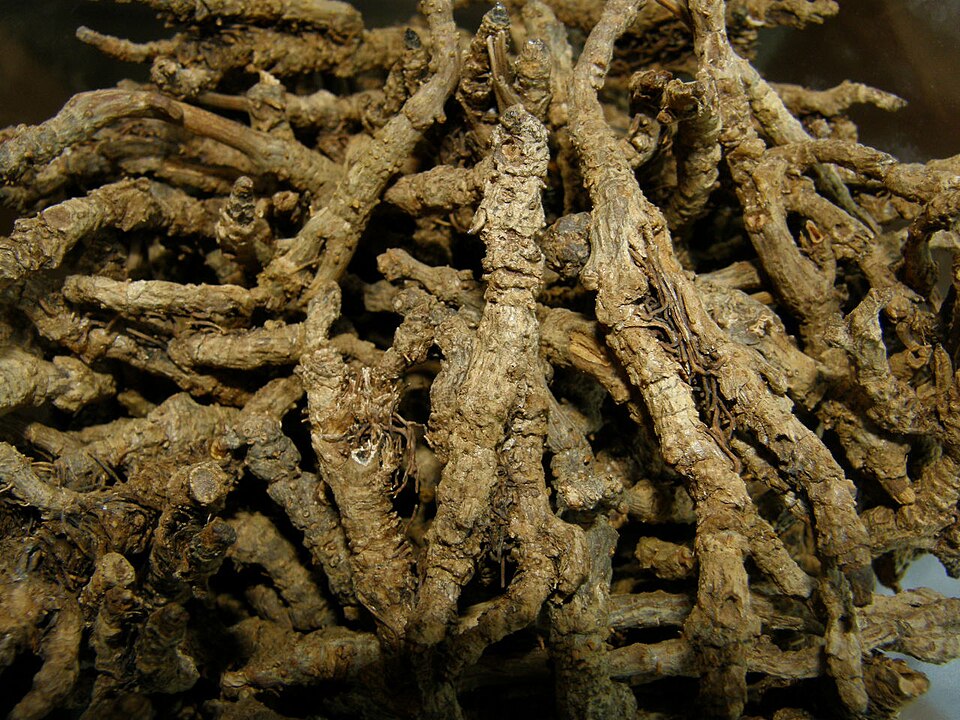
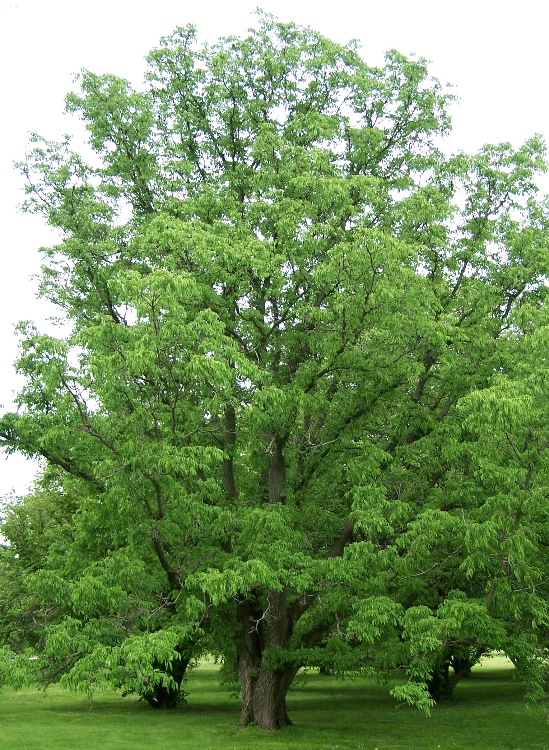
The fruit is oval with a ridged surface and an orange-red interior, and fruit maturity, color, and the presence of gardenia pigments are useful orientation details. The dried fruit is thin-walled and papery, with visible seeds inside, and the pigment can stain the hands and cookware. Fruits, roots, and leaves of the same shrub are different materials, so the label should state which part is present, and charcoal-treated and raw forms are separate records.
Images are for orientation only, not definitive species authentication; confirm species, part, source, and labeling with a qualified professional or authoritative monograph.
TRADITIONAL CONTEXT
Traditional Use in Context
Traditional records discuss Gardenia for heat clearing, irritability, dampness, jaundice-related historical language, and cooling blood descriptions, and it appears in classical formulas aimed at heat-related restlessness, urinary discomfort, and damp-heat jaundice language, such as Zhi Zi Chi Tang, where it is paired with fermented Soybean for irritability, and Yin Chen Hao Tang for jaundice, where it is paired with Capillary Wormwood and Rhubarb. Classical texts describe it for irritability, insomnia-like restlessness, and yellowing presentations, always within a pattern-based framework. The jaundice vocabulary is historical, and jaundice, dark urine, or pale stools in real life requires urgent medical evaluation rather than a traditional label.
PROCESSING CONTEXT
Raw Material, Processing, and Product Form
Raw, stir-fried, and charcoal-treated forms appear in traditional records, and processing changes the intended traditional emphasis. A colored extract is not automatically the same material as a dried fruit, and each form should carry its own record.
The same name can cover a raw material, decoction piece, powder, extract, or finished product, so record the labeled form rather than assuming it; see the safety review for the questions to ask.
SAFETY REVIEW
Safety Boundaries
Review diarrhea, abdominal pain, pregnancy, liver or gallbladder symptoms, and concentrated pigment products, and check the full ingredient list of any combined formula. Jaundice or severe abdominal symptoms require medical assessment, and this page is educational and is not a dose recommendation.
This record is not a dose recommendation; risk depends on identity, preparation, amount, duration, contamination, other medicines, and health conditions — a traditional or “natural” label cannot establish safety. For the full framework, read the Chinese Herbal Medicine Safety Review.
COMPARISON
How This Entry Differs
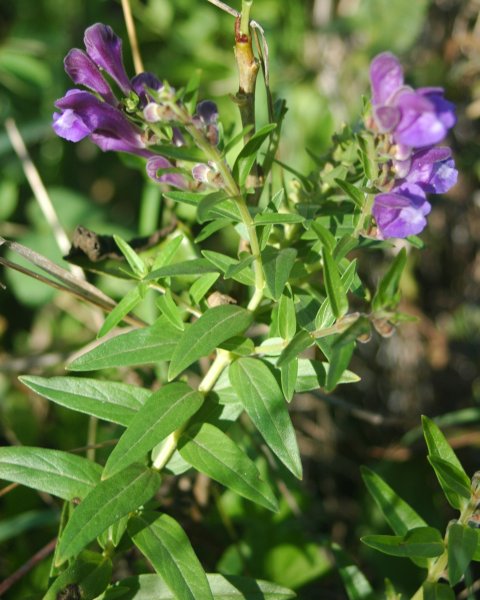
Compare Gardenia Fruit with Forsythia Fruit for the two fruit identities in heat formulas, and with Baical Skullcap Root for the root-based alternative. Gardenia is distinguished by its orange-red pigment, its irritability-related history, and its jaundice-related vocabulary. The charcoal-fried form is a separate record traditionally reserved for bleeding contexts, while the raw fruit carries the cooling emphasis.
Use the related-entry links below to compare identity, part, processing, and safety boundaries — similar categories do not make materials interchangeable.
STUDY METHOD
New to these entries?
Read the four-step method in How to Read a Herb Entry before comparing materials.