Herb reference entry
Atractylodes Rhizome
Atractylodes Rhizome
Atractylodes macrocephala Koidz.
Reviewed by Kuda, September 2, 2026 - Editorial policy
OVERVIEW
What This Record Covers
Atractylodes Rhizome is the dried rhizome of Atractylodes macrocephala, a perennial herb of the daisy family that grows in cultivated fields and mountain slopes across central and eastern Asia. The medicinal part is the irregular, knobby underground rhizome, which is dug, cleaned, and dried for use as slices. The material is common in digestive and qi-supporting formulas and appears as raw rhizome, bran-fried preparations, powders, and granules. Its traditional profile is linked to the spleen and digestion, which makes the processed form and the product label central to any comparison.
- English name
- Atractylodes Rhizome
- Latin name
- Atractylodes macrocephala Koidz.
- Traditional category
- Qi Tonifying
- Nature
- Warm
- Flavor description
- Sweet, Bitter
- Record identifier
- baizhu
IDENTIFICATION
Identification and Image Notes
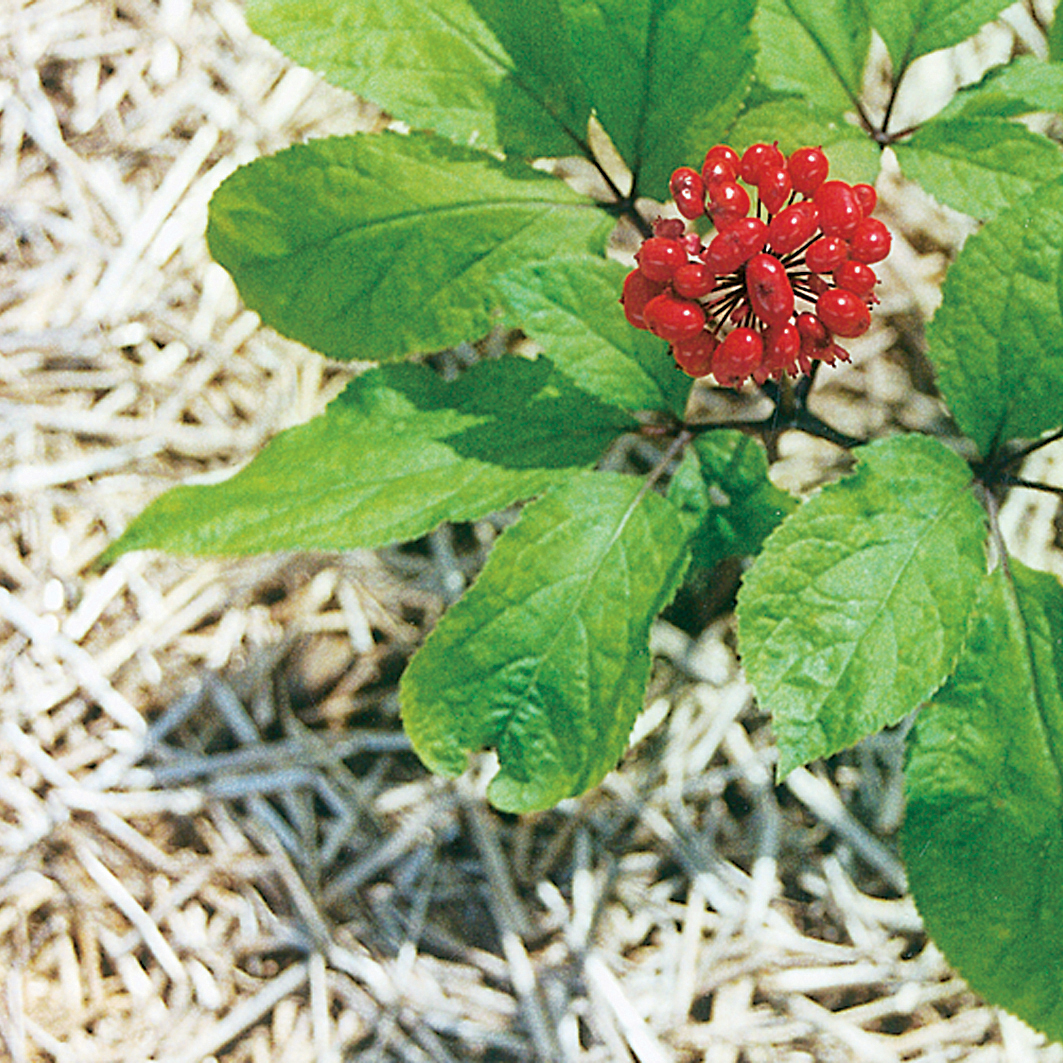
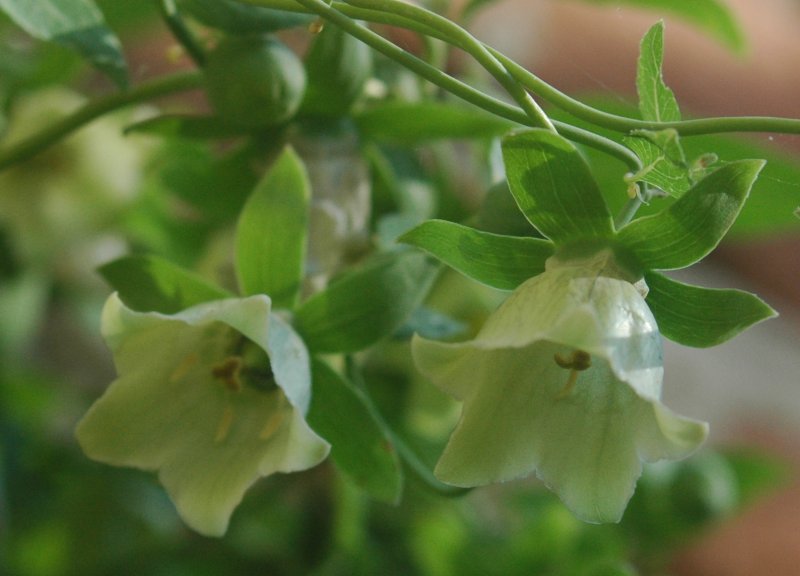
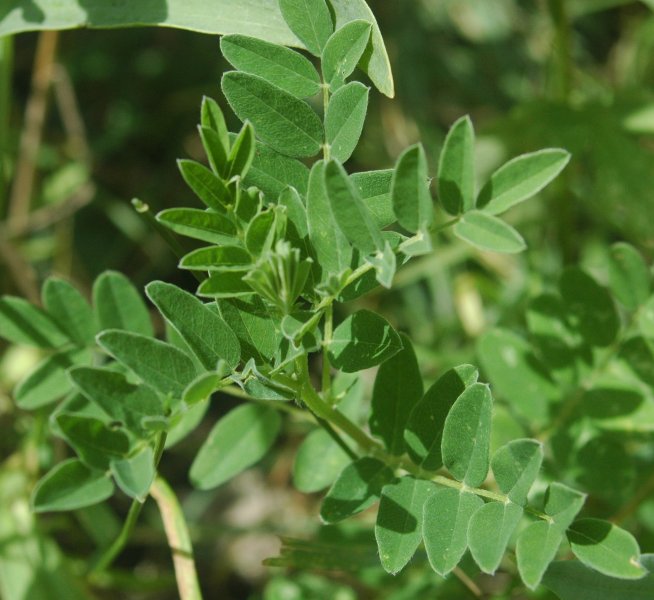
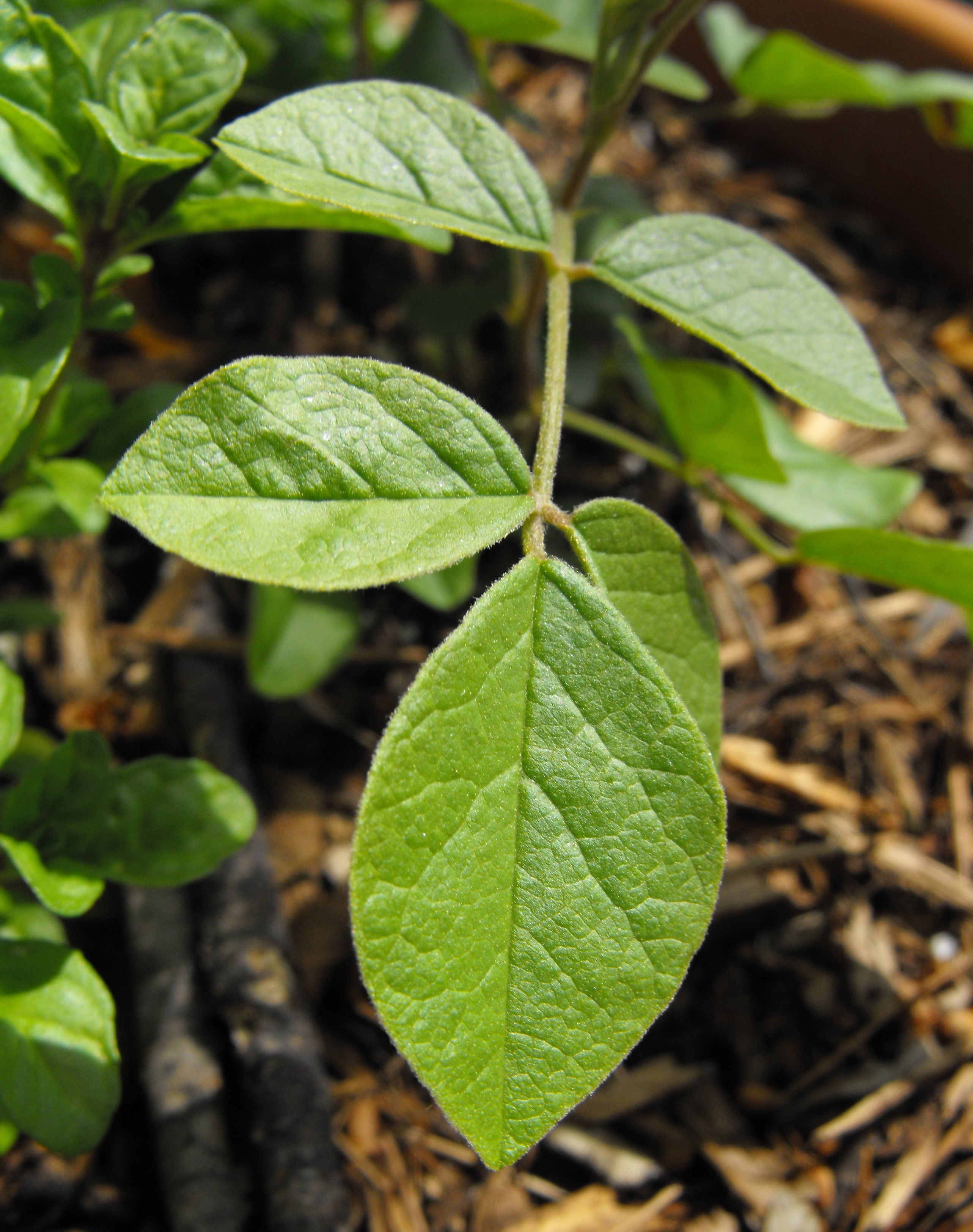
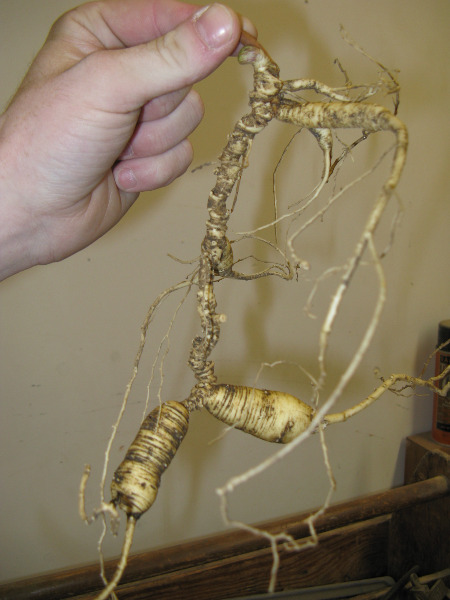
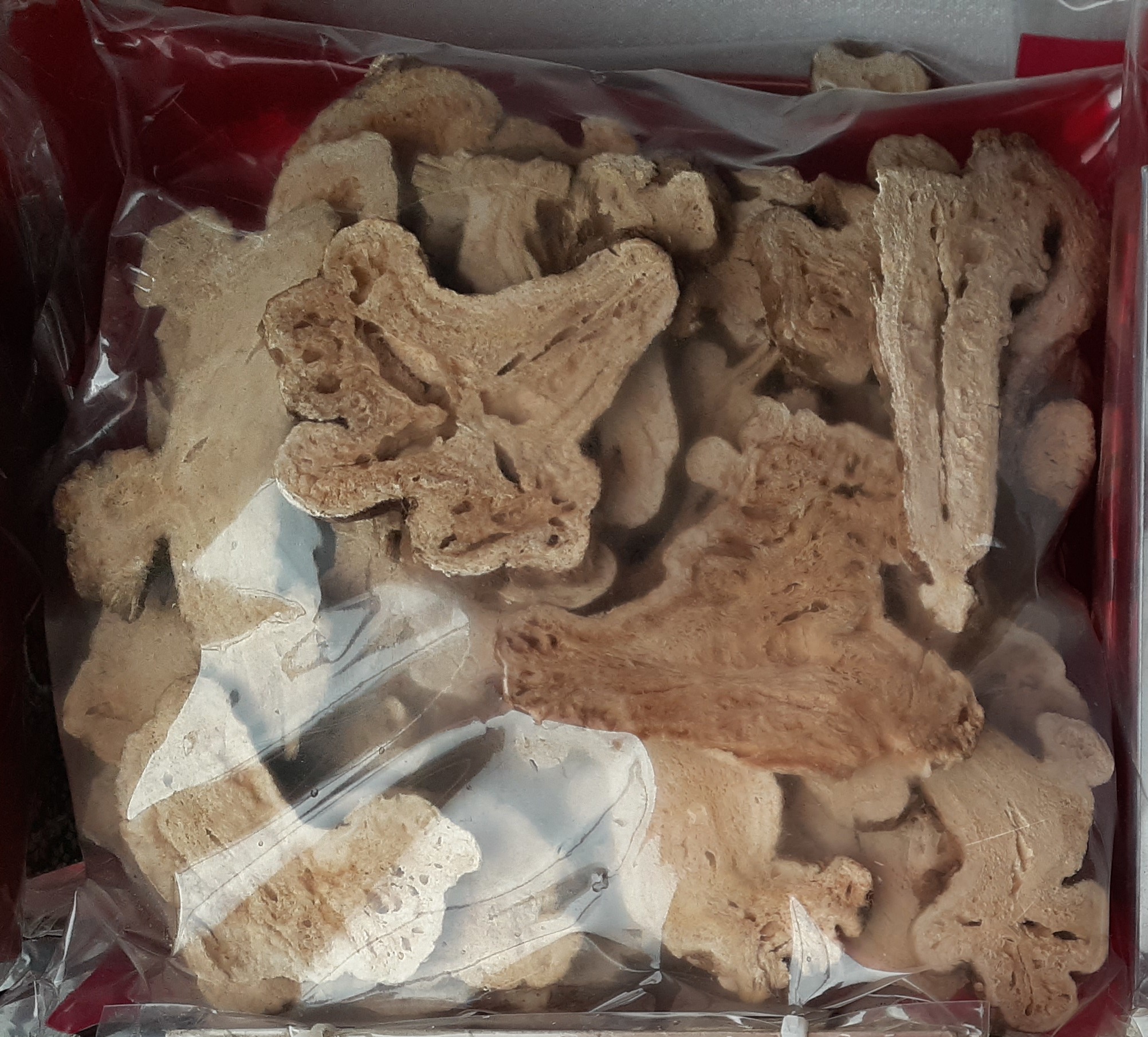
The rhizome is irregular and knobby, with a firm pale interior and a characteristic aromatic smell, and it can be cut into thick slices that are gray-white with scattered oil spots. The dried rhizome is hard and dense, with a gray-brown surface and a pale interior, and the cut slices show small brown oil-gland dots. The whole plant and the rhizome are not interchangeable identification targets, and the material can be confused with related Atractylodes species, so the Latin name and processed form should accompany the product.
Images are for orientation only, not definitive species authentication; confirm species, part, source, and labeling with a qualified professional or authoritative monograph.
TRADITIONAL CONTEXT
Traditional Use in Context
Traditional records discuss Atractylodes for spleen and digestion language, dampness management, appetite support, and pregnancy-related historical combinations, often paired with Poria and Ginseng in formulas for poor appetite and loose stools, such as Si Jun Zi Tang and Shen Ling Bai Zhu San. Classical descriptions connect it with supporting the transformation of food and fluids and with reducing a tendency to dampness. The historical language is pattern-based: it describes a role inside a formula, not a modern diagnosis of a digestive disease, and it does not authorize self-treatment of abdominal symptoms, which require clinical assessment.
PROCESSING CONTEXT
Raw Material, Processing, and Product Form
Atractylodes may be used as a raw rhizome or a bran-fried preparation. The processing record should accompany any comparison because roasting changes aroma, dryness, and traditional emphasis, and it alters the way the material is described in formula-based practice.
The same name can cover a raw material, decoction piece, powder, extract, or finished product, so record the labeled form rather than assuming it; see the safety review for the questions to ask.
SAFETY REVIEW
Safety Boundaries
Consider dryness, digestive symptoms, allergies, pregnancy, and the quality of concentrated products. Traditional use in a formula does not transfer automatically to a single-herb product, and persistent abdominal symptoms deserve clinical assessment rather than self-treatment.
This record is not a dose recommendation; risk depends on identity, preparation, amount, duration, contamination, other medicines, and health conditions — a traditional or “natural” label cannot establish safety. For the full framework, read the Chinese Herbal Medicine Safety Review.
COMPARISON
How This Entry Differs
Compare Atractylodes Rhizome with Poria and Chinese Yam for different approaches to digestion, dampness, nourishment, and product form, and with Astragalus Root for the boundary between spleen support and surface support. All four are frequent formula partners, which makes their individual roles easy to blur.
Use the related-entry links below to compare identity, part, processing, and safety boundaries — similar categories do not make materials interchangeable.
STUDY METHOD
New to these entries?
Read the four-step method in How to Read a Herb Entry before comparing materials.