Herb reference entry
American Ginseng
American Ginseng
Panax quinquefolius L.
Reviewed by Kuda, September 2, 2026 - Editorial policy
OVERVIEW
What This Record Covers
American Ginseng is the dried root of Panax quinquefolius, the North American species of ginseng, a perennial herb of the Araliaceae family that grows wild and is cultivated in woodland regions of eastern North America and in managed farms elsewhere. The medicinal part is the fleshy root, which is harvested from older plants, dried, and sold as whole roots, slices, powders, and extracts. Its traditional profile is described as cooler and more fluid-supporting than Asian ginseng, which has made it a distinct material in formula practice. Because the common name overlaps with Asian ginseng, the species, cultivation region, age, and preparation must be recorded before any comparison is made.
- English name
- American Ginseng
- Latin name
- Panax quinquefolius L.
- Traditional category
- Qi Tonifying
- Nature
- Cool
- Flavor description
- Sweet, Slightly Bitter
- Record identifier
- xiyangshen
IDENTIFICATION
Identification and Image Notes
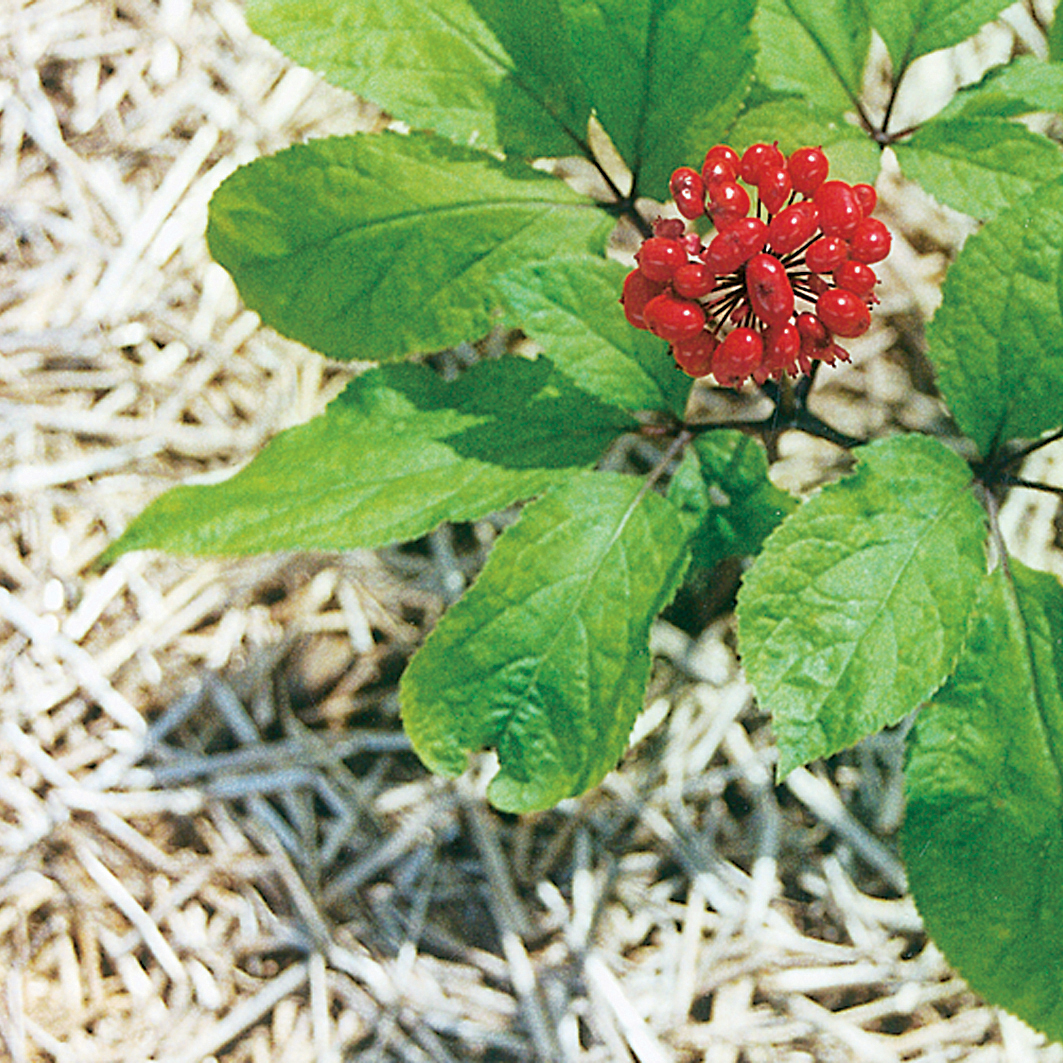
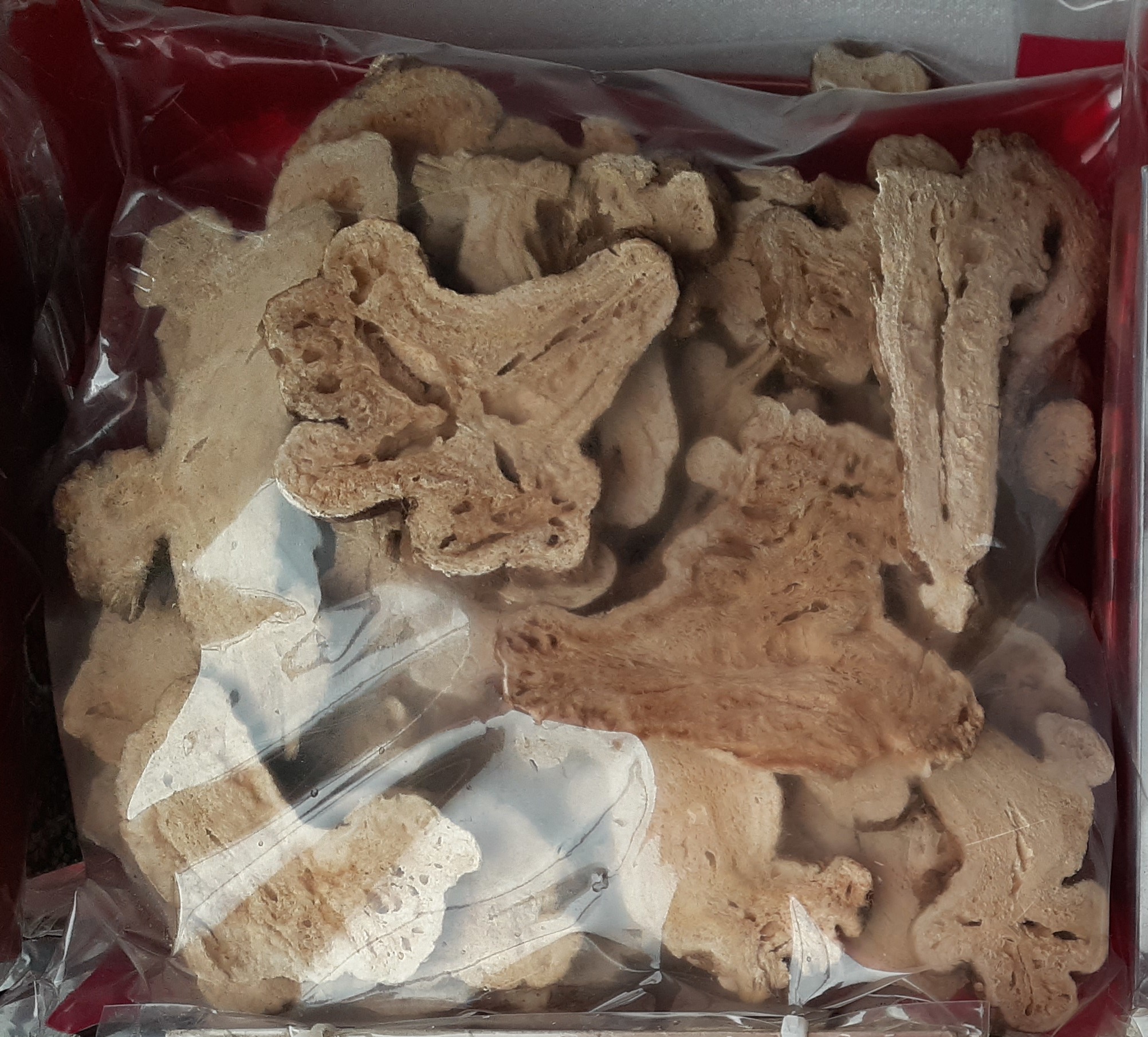
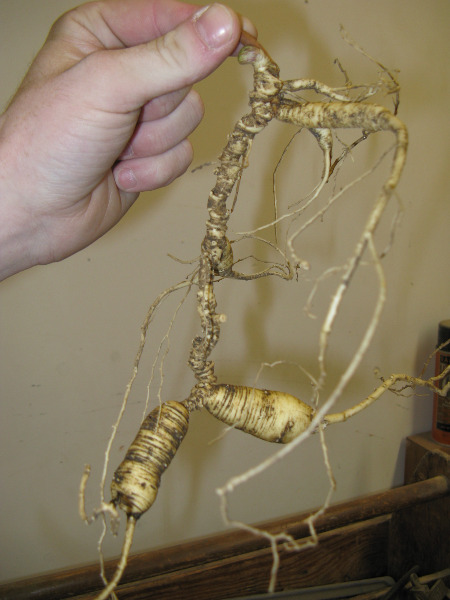
American ginseng has a fleshy root and palmate leaves, but its source, cultivation region, age, and preparation distinguish it from Asian Ginseng. The dried root is lighter in color with distinct horizontal rings, and a shared genus does not make the roots identical, so the species and product label are the identity record.
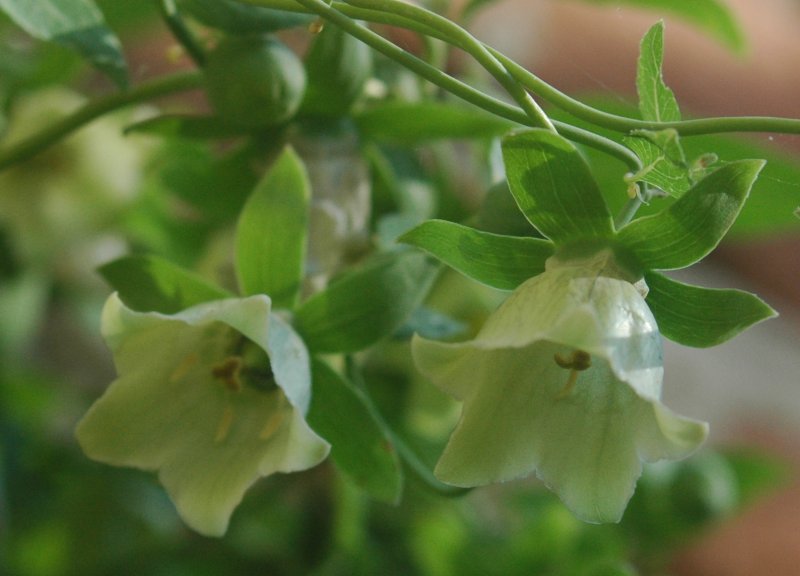
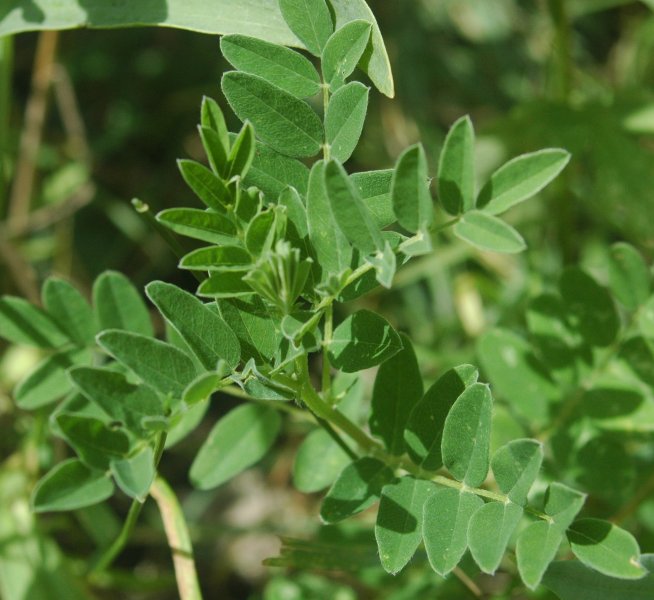
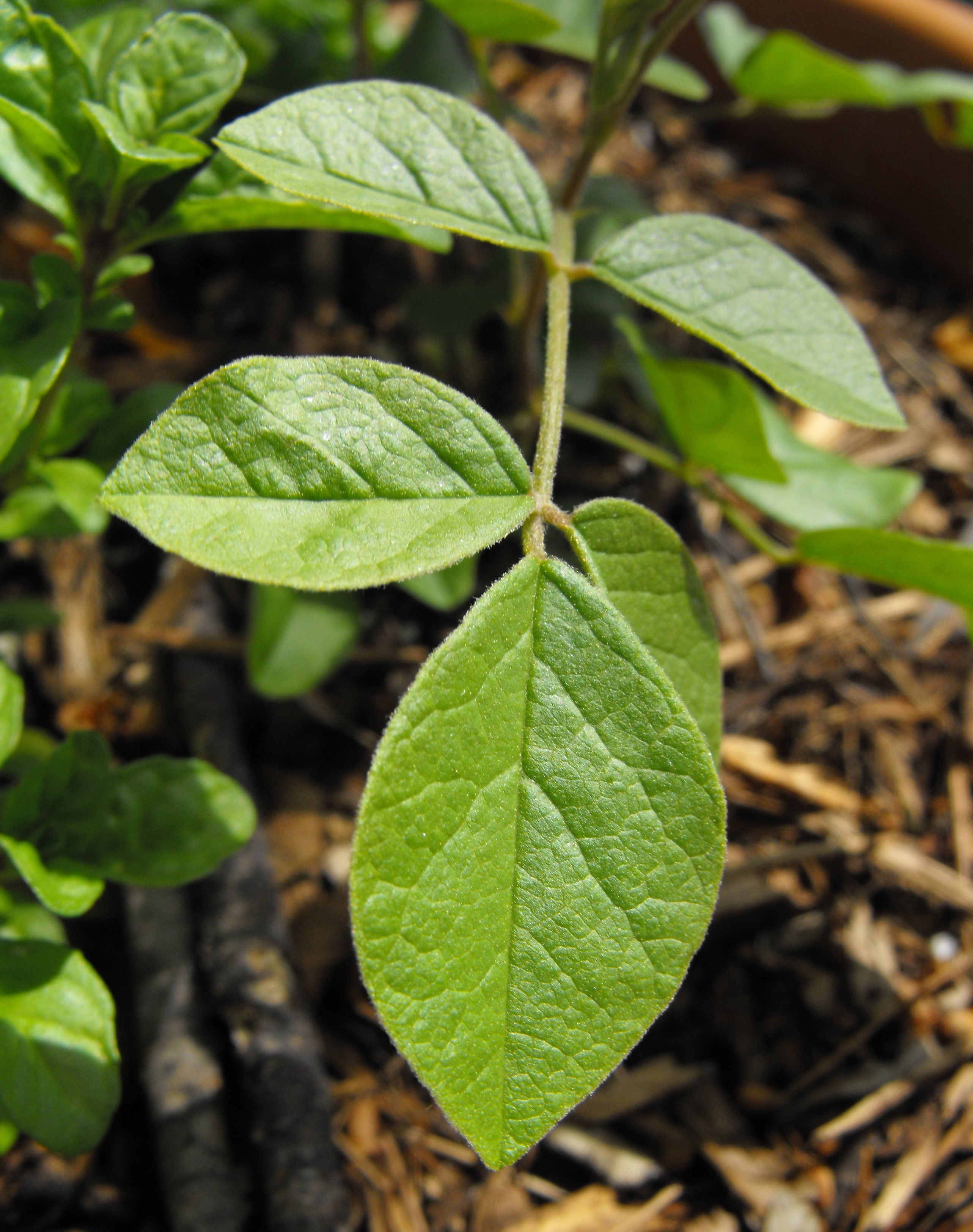
Images are for orientation only, not definitive species authentication; confirm species, part, source, and labeling with a qualified professional or authoritative monograph.
TRADITIONAL CONTEXT
Traditional Use in Context
Traditional records place American ginseng in discussions of qi and fluid support with a cooler profile, dry-throat language, and recovery after heat or exertion, often in formulas for fatigue with heat signs or thirst. Classical texts distinguish it from Asian ginseng by temperature and by its association with fluids, and it is frequently paired with moistening materials. These are historical descriptions of pattern-based practice, not evidence of efficacy for any modern condition, and they do not authorize self-treatment of fatigue, thirst, or any other symptom.
PROCESSING CONTEXT
Raw Material, Processing, and Product Form
The root may be sliced and air-dried or processed into powders, extracts, and finished supplements. Extract concentration and added ingredients should always be recorded with the product name, because a tea and a concentrated extract are not interchangeable forms.
The same name can cover a raw material, decoction piece, powder, extract, or finished product, so record the labeled form rather than assuming it; see the safety review for the questions to ask.
SAFETY REVIEW
Safety Boundaries
Review insomnia, blood pressure, blood glucose, anticoagulant use, pregnancy, and products with other stimulatory or sedating ingredients. Cooler traditional language is not a modern safety classification, and blood-sugar or blood-pressure effects deserve professional review for people taking related medicines.
This record is not a dose recommendation; risk depends on identity, preparation, amount, duration, contamination, other medicines, and health conditions — a traditional or “natural” label cannot establish safety. For the full framework, read the Chinese Herbal Medicine Safety Review.
COMPARISON
How This Entry Differs
Compare American Ginseng with Ginseng for species, traditional temperature, fluid language, cultivation source, and extract strength rather than treating them as substitutes. It is also worth comparing with Dwarf Lilyturf Root when the discussion emphasizes fluids, though the two are botanically unrelated.
Use the related-entry links below to compare identity, part, processing, and safety boundaries — similar categories do not make materials interchangeable.
STUDY METHOD
New to these entries?
Read the four-step method in How to Read a Herb Entry before comparing materials.