Herb reference entry
Astragalus Root
Astragalus Root
Astragalus membranaceus (Fisch.) Bunge
Reviewed by Kuda, September 2, 2026 - Editorial policy
OVERVIEW
What This Record Covers
Astragalus Root is the dried root of Astragalus membranaceus and the related source Astragalus mongholicus, a perennial legume of the pea family that grows on sunny slopes and grasslands in northern Asia. The medicinal part is the long, fibrous root, harvested from several-year-old plants, cleaned, and dried for use as slices. It is one of the most common qi-supporting materials in the materia medica and appears as whole root, sliced root, powders, granules, decoction pieces, and concentrated extracts, often inside formulas for fatigue and weakened resistance. Because the root is mild in taste and widely traded, the source species, root age, and processed form are essential parts of the identity record.
- English name
- Astragalus Root
- Latin name
- Astragalus membranaceus (Fisch.) Bunge
- Traditional category
- Qi Tonifying
- Nature
- Slightly Warm
- Flavor description
- Sweet
- Record identifier
- huangqi
IDENTIFICATION
Identification and Image Notes
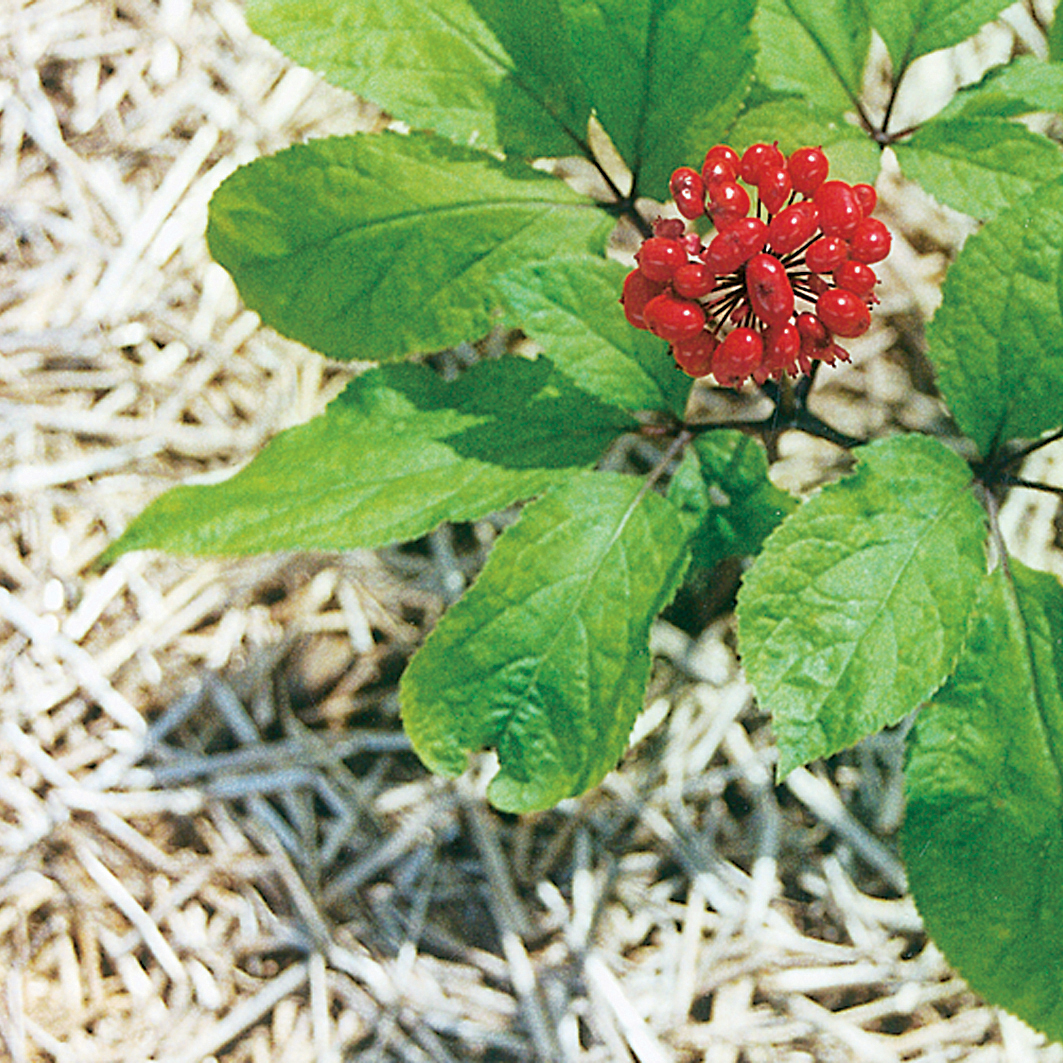
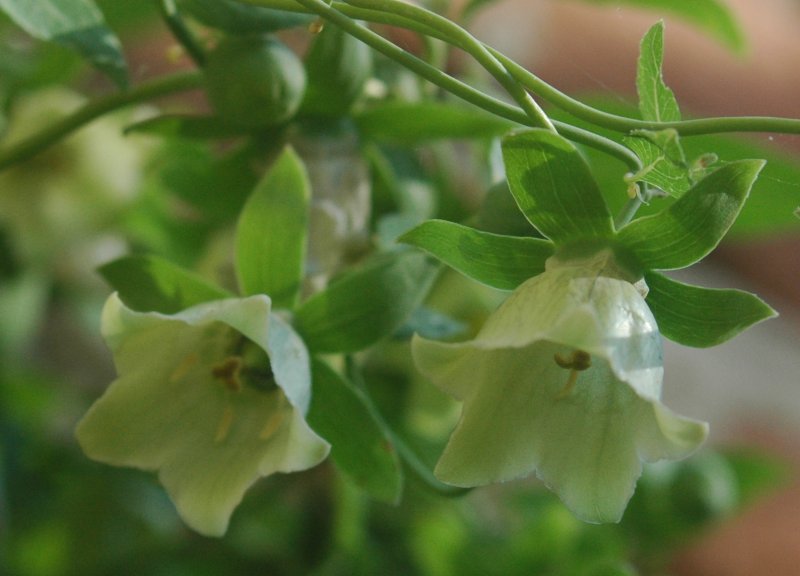
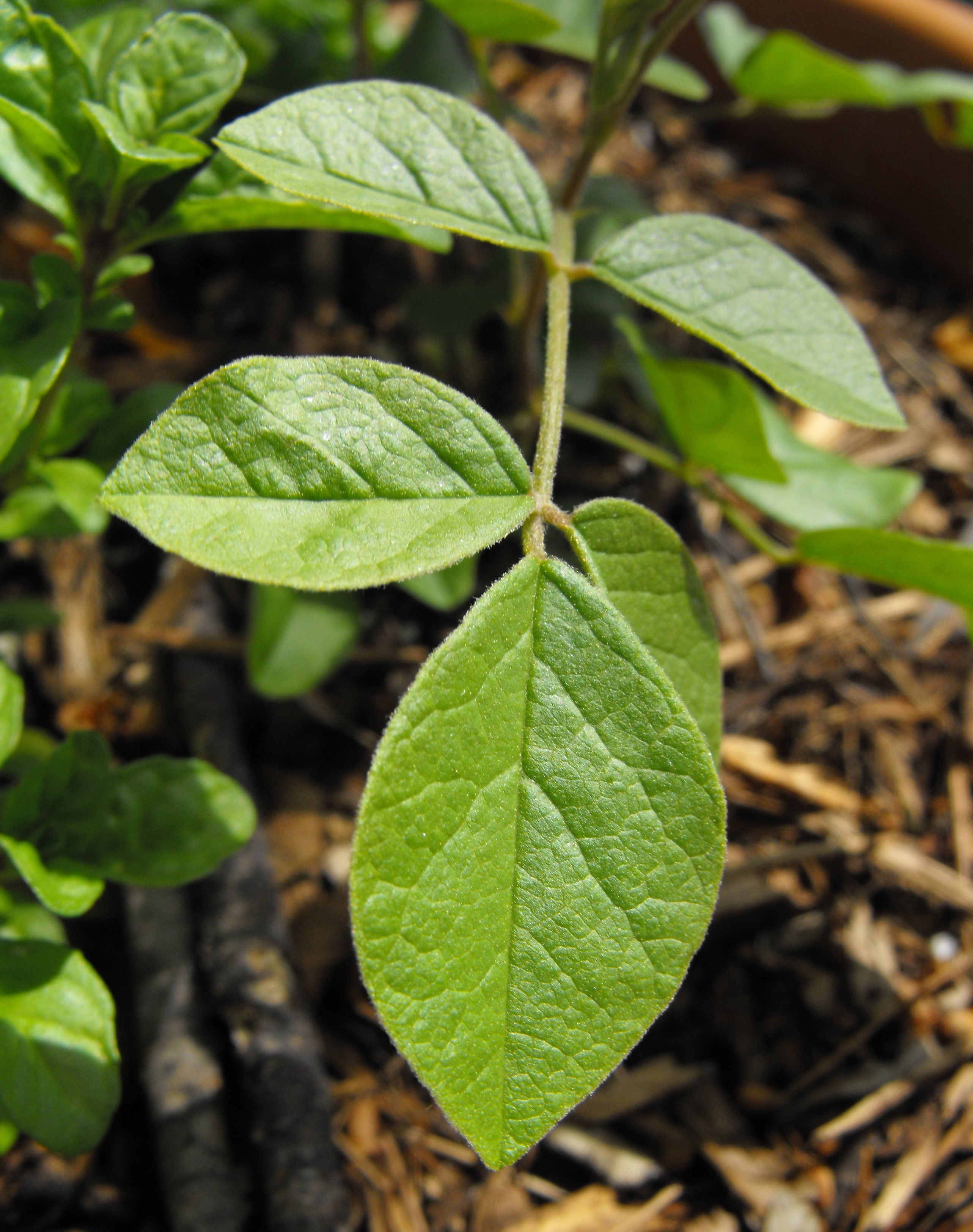
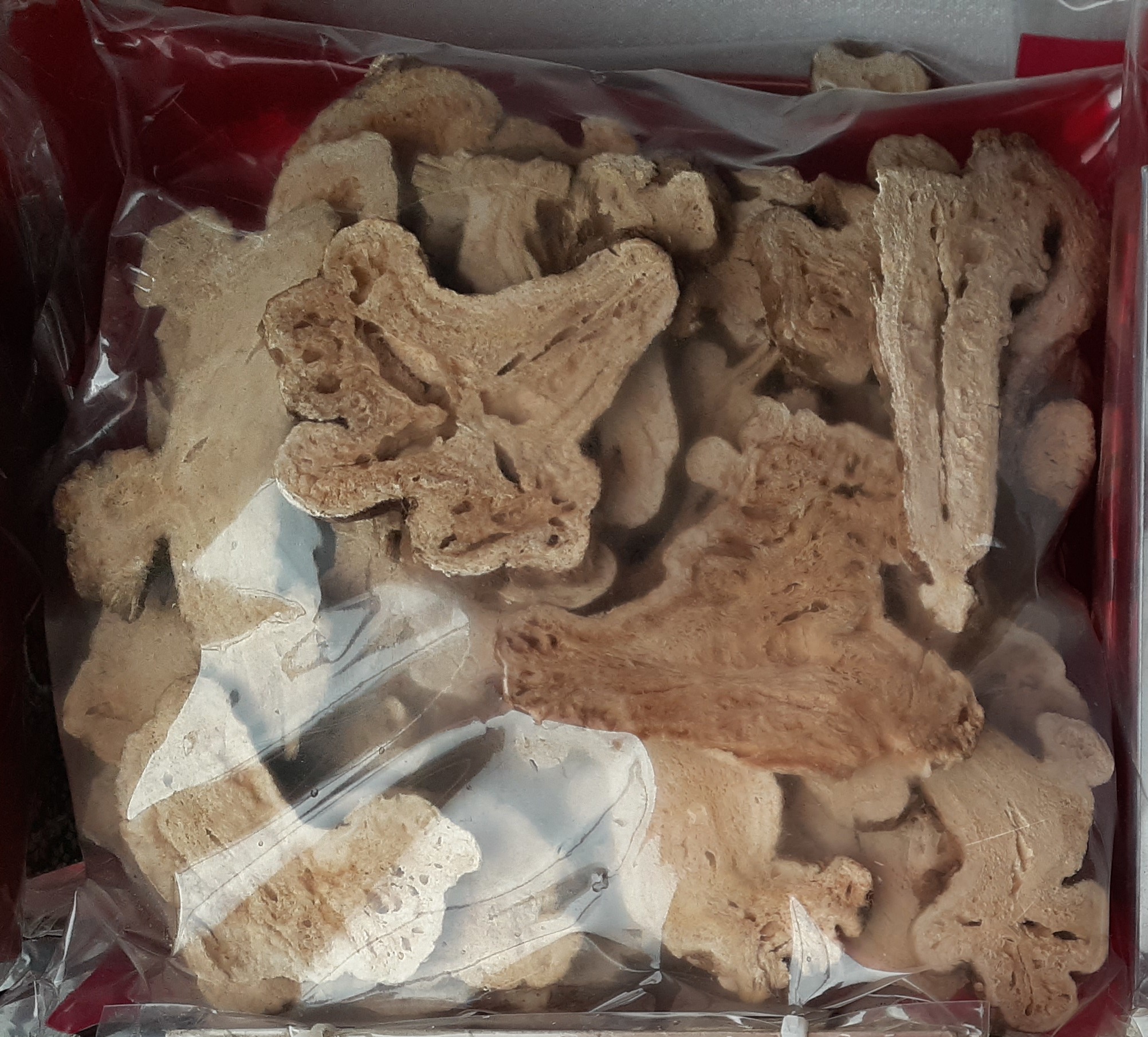
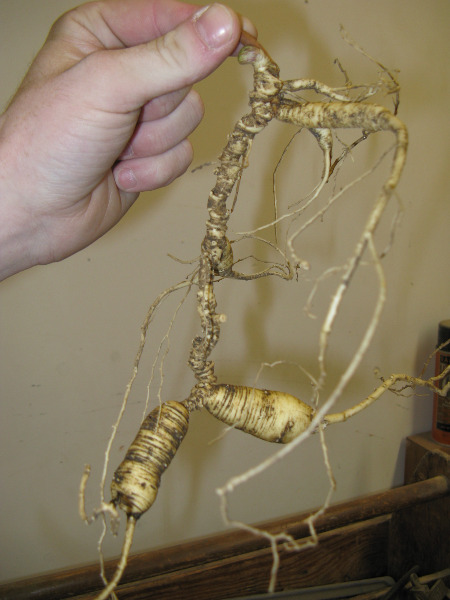
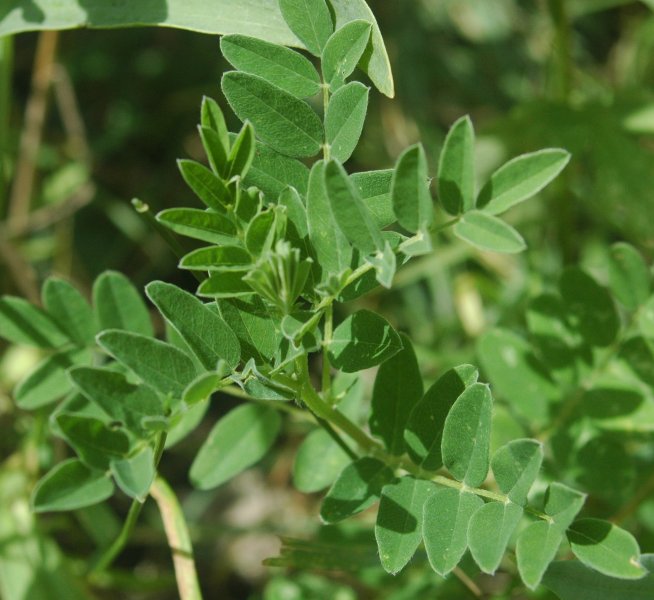
Astragalus roots are long and cylindrical with a fibrous texture and a pale interior, yellowish-white on the cut surface with a woody heart. The source species, root age, slicing, and storage condition are important parts of the identification record, and the root can be confused with other long pale roots if only shape and color are compared.
Images are for orientation only, not definitive species authentication; confirm species, part, source, and labeling with a qualified professional or authoritative monograph.
TRADITIONAL CONTEXT
Traditional Use in Context
Traditional records discuss Astragalus for qi support, protective surface language, fluid movement, and recovery from prolonged weakness, often pairing it with ginseng or Codonopsis for strength and with Atractylodes for digestion, and it is the defining ingredient of Dang Gui Bu Xue Tang when paired with Chinese Angelica. Classical descriptions connect it with reduced resistance, fatigue, poor appetite, and a tendency to perspire, and it is frequently written into formulas that aim to raise the qi of the middle burner. These are historical framework statements, not evidence of immunity-boosting effects for a modern diagnosis, and they do not authorize self-treatment of chronic fatigue or recurrent illness, which require clinical assessment.
PROCESSING CONTEXT
Raw Material, Processing, and Product Form
Raw slices and honey-processed slices appear in different traditional records. Processing changes color, aroma, texture, and the way the material is discussed, so the two forms should not be treated as interchangeable, and powders and extracts add further concentration questions.
The same name can cover a raw material, decoction piece, powder, extract, or finished product, so record the labeled form rather than assuming it; see the safety review for the questions to ask.
SAFETY REVIEW
Safety Boundaries
Review immune-active products, autoimmune conditions, transplant medicines, diuretics, and blood pressure treatment with a professional. The category label cannot predict an individual response, and long-term or concentrated use deserves a complete medicine list.
This record is not a dose recommendation; risk depends on identity, preparation, amount, duration, contamination, other medicines, and health conditions — a traditional or “natural” label cannot establish safety. For the full framework, read the Chinese Herbal Medicine Safety Review.
COMPARISON
How This Entry Differs
Compare Astragalus Root with Ginseng for traditional strength and price, and with Atractylodes Rhizome for the different roles assigned to qi support, digestion, and fluid handling. Astragalus is classically the milder, longer-course tonic of the three in many formulas. Honey-processed Astragalus is a separate record that shifts the traditional emphasis toward middle-burner tonification.
Use the related-entry links below to compare identity, part, processing, and safety boundaries — similar categories do not make materials interchangeable.
STUDY METHOD
New to these entries?
Read the four-step method in How to Read a Herb Entry before comparing materials.