Herb reference entry
Codonopsis Root
Codonopsis Root
Codonopsis pilosula (Franch.) Nannf.
Reviewed by Kuda, September 2, 2026 - Editorial policy
OVERVIEW
What This Record Covers
Codonopsis Root is the dried root of Codonopsis pilosula and closely related accepted source plants, a twining perennial of the bellflower family that grows in meadows and mountain slopes across parts of Asia. The medicinal part is the fleshy, often branched root, which is harvested from older plants, cleaned, and dried for use as slices or whole roots. The material is commonly sold as dried root pieces, slices, powders, and granules, and it appears both as a single product and inside qi-supporting formulas. Its traditional profile is often described as gentler than ginseng, which has made it a frequent substitute in everyday formulas, but the two roots are botanically different and should be evaluated separately for identity and source.
- English name
- Codonopsis Root
- Latin name
- Codonopsis pilosula (Franch.) Nannf.
- Traditional category
- Qi Tonifying
- Nature
- Neutral
- Flavor description
- Sweet
- Record identifier
- dangshen
IDENTIFICATION
Identification and Image Notes
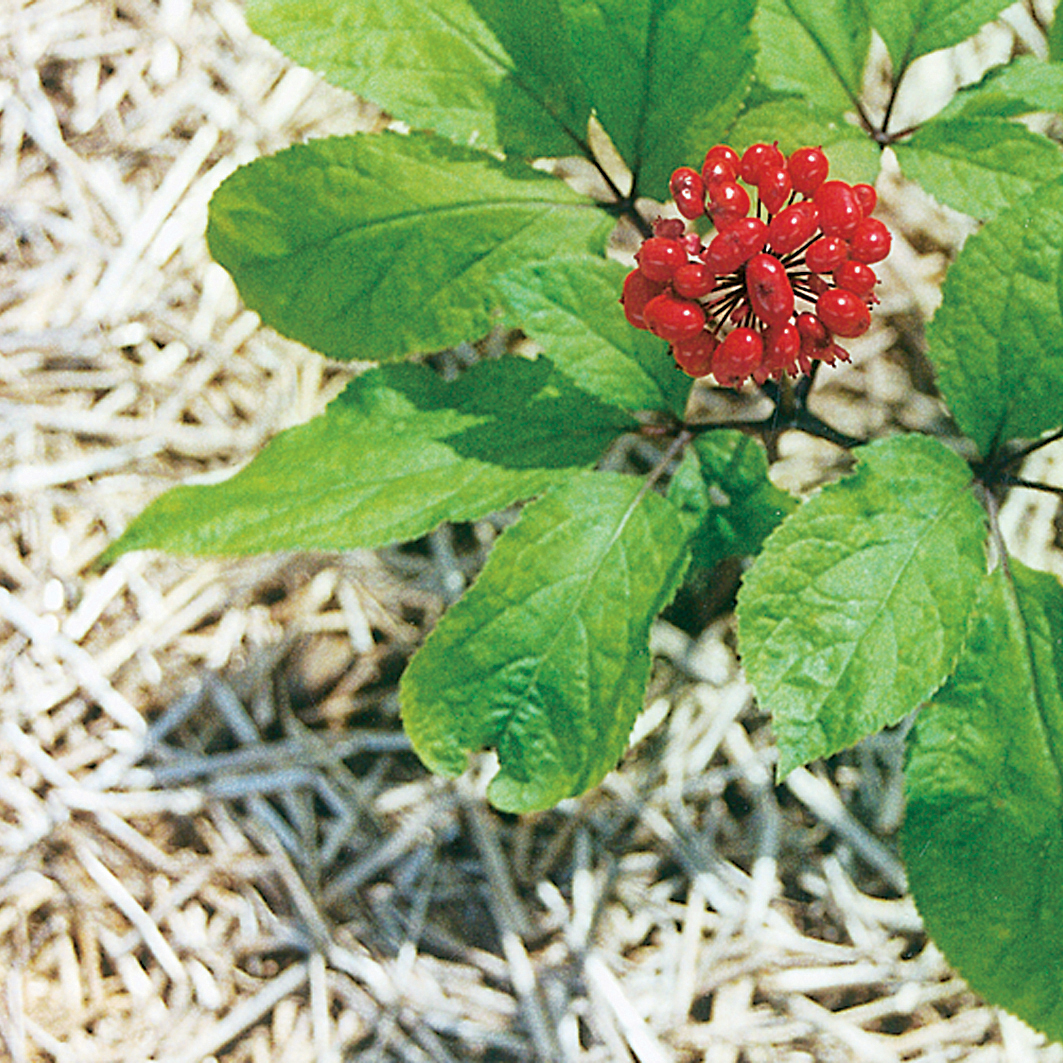
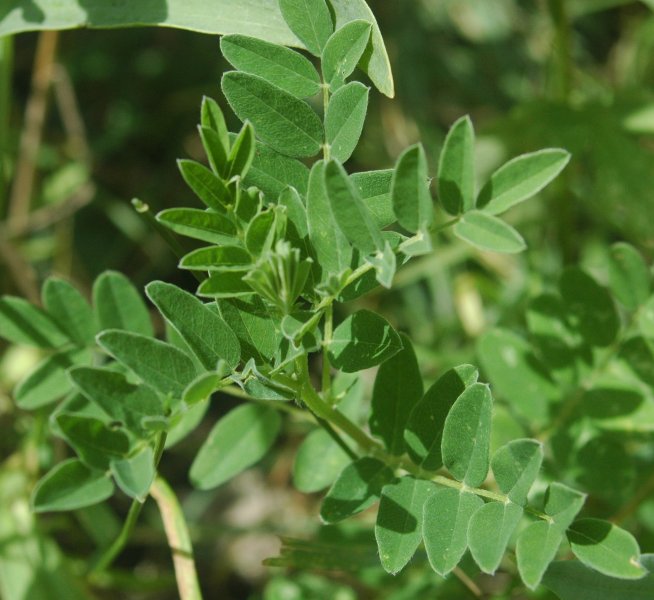
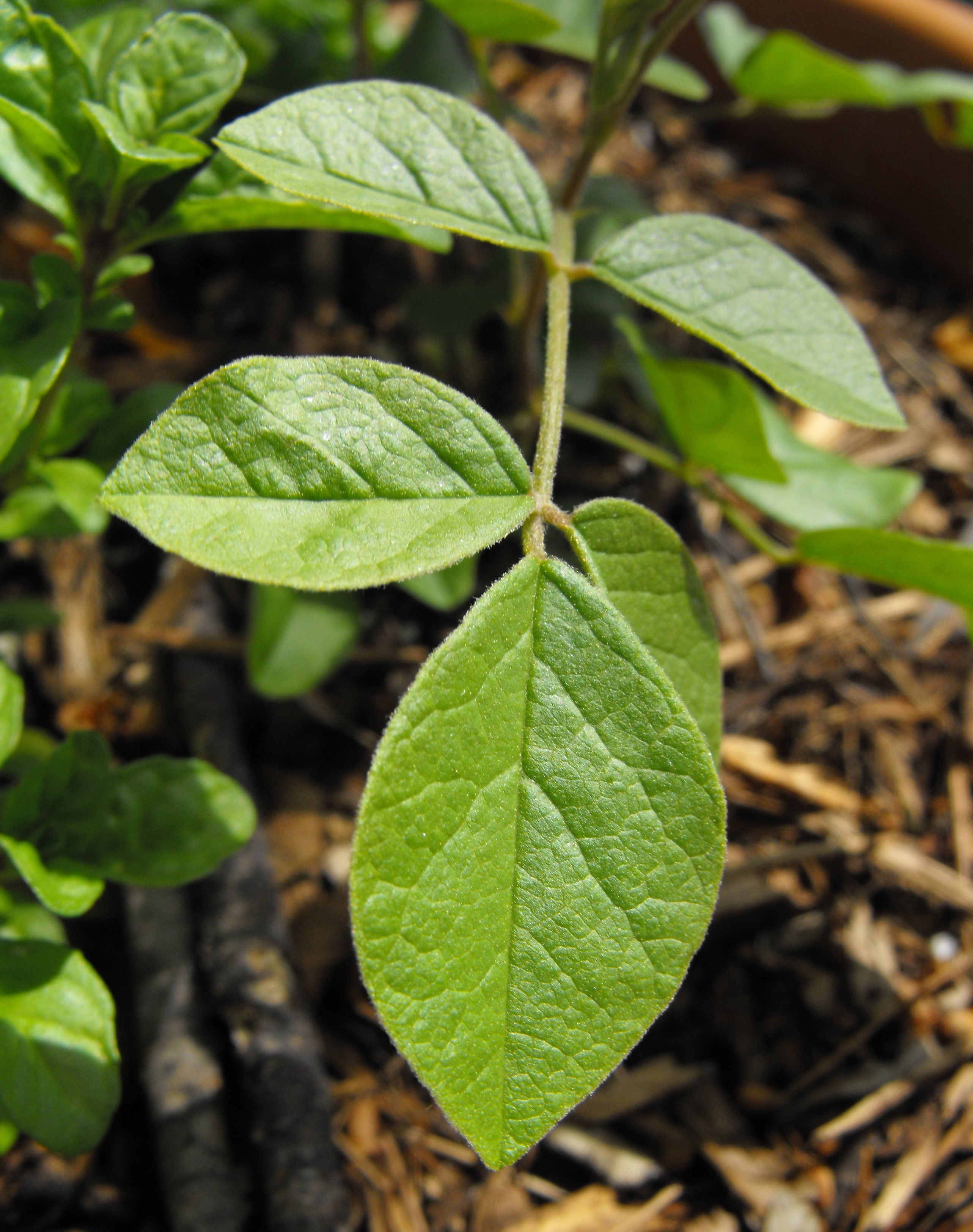
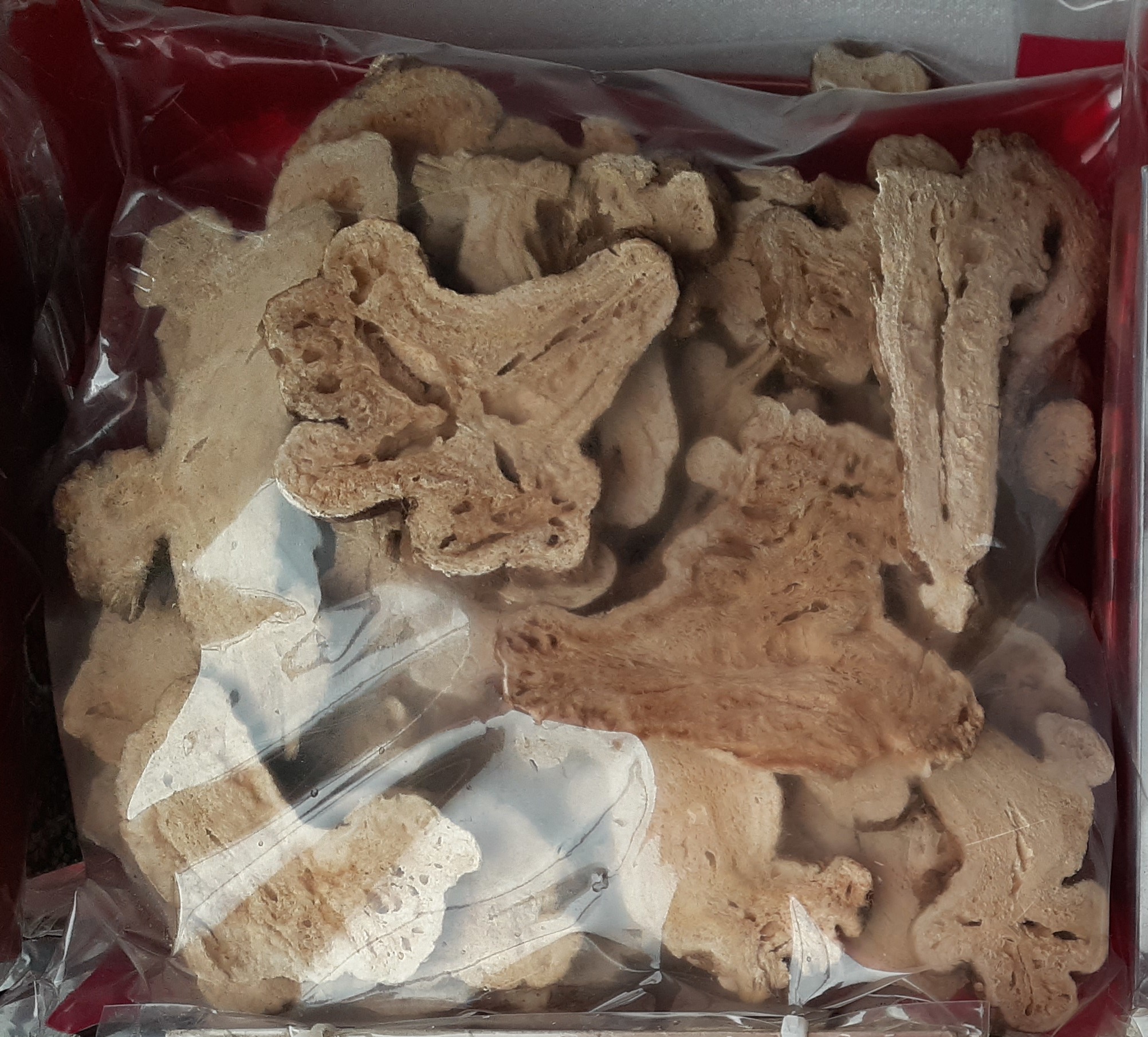
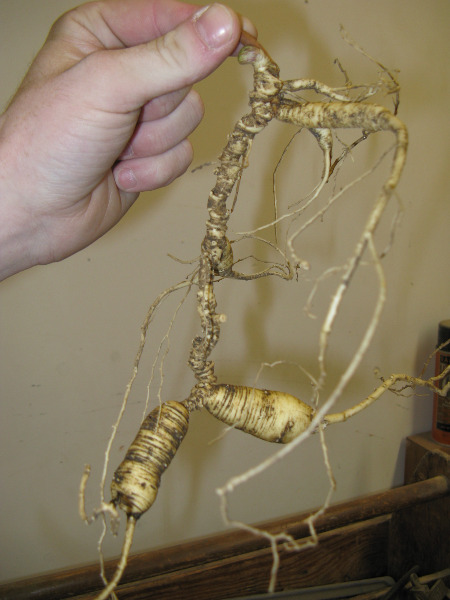
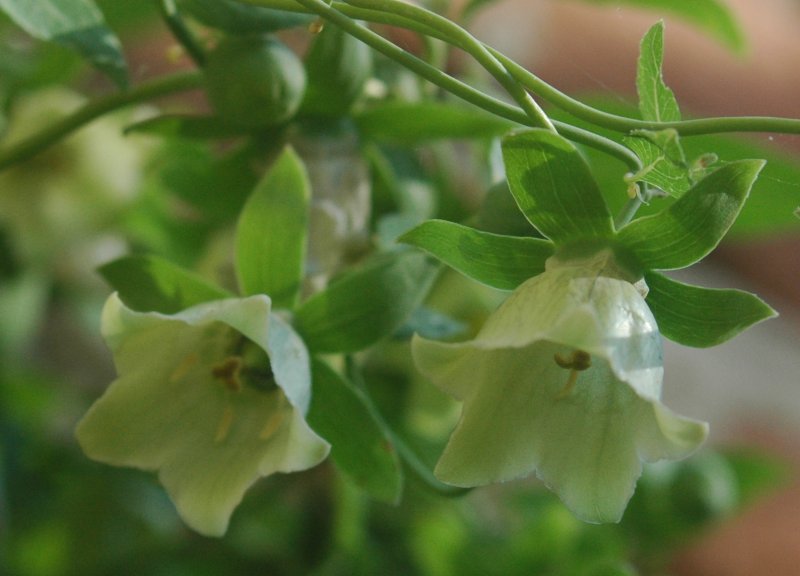
Codonopsis is a twining herb with a fleshy, often branched root that is yellow-brown on the surface with fine wrinkles and a pale interior. A root slice can vary by age, storage, and source, so a common name or color alone cannot authenticate it. The material is sometimes confused with other pale roots in the same family, and the accepted Latin name together with the product label is the reliable identity record.
Images are for orientation only, not definitive species authentication; confirm species, part, source, and labeling with a qualified professional or authoritative monograph.
TRADITIONAL CONTEXT
Traditional Use in Context
Traditional records place Codonopsis in discussions of gentler qi support, appetite and digestion language, and recovery-oriented combinations, often in formulas for fatigue, reduced appetite, and general weakness after illness. It is classically paired with qi-supporting and spleen-supporting materials such as Atractylodes, Poria, and Astragalus, and it appears in the same family of formulas as ginseng without sharing its species or its stronger traditional reputation. The classical language is historical: it describes how the root was organized in pattern-based practice, and it does not establish efficacy for a modern diagnosis or authorize self-treatment for fatigue or any other symptom.
PROCESSING CONTEXT
Raw Material, Processing, and Product Form
The root is cleaned, dried, and commonly cut into slices. Some records distinguish unprocessed slices from preparations that change texture or sweetness, and modern powders and granules represent additional forms. The product label should state which form is present, because the dried slice, the powder, and a combined formula are not interchangeable records.
The same name can cover a raw material, decoction piece, powder, extract, or finished product, so record the labeled form rather than assuming it; see the safety review for the questions to ask.
SAFETY REVIEW
Safety Boundaries
Check allergies, digestive tolerance, combined tonic products, and the possibility of confusing Codonopsis with another root. “Mild” in a traditional text is not a guarantee for pregnancy or chronic disease, and long-term use of concentrated products deserves professional review. As with any herb in this library, identity, preparation, and interactions should be verified before practical use, and this page is not a dose recommendation.
This record is not a dose recommendation; risk depends on identity, preparation, amount, duration, contamination, other medicines, and health conditions — a traditional or “natural” label cannot establish safety. For the full framework, read the Chinese Herbal Medicine Safety Review.
COMPARISON
How This Entry Differs
Compare Codonopsis with Ginseng for traditional strength and price-related substitution history, and with Astragalus Root for the different emphasis on surface support, fluid movement, and source verification. The three are frequently paired in formulas, which makes their individual boundaries easy to blur.
Use the related-entry links below to compare identity, part, processing, and safety boundaries — similar categories do not make materials interchangeable.
STUDY METHOD
New to these entries?
Read the four-step method in How to Read a Herb Entry before comparing materials.