Herb reference entry
Chinese Yam
Chinese Yam
Dioscorea opposita Thunb.
Reviewed by Kuda, September 2, 2026 - Editorial policy
OVERVIEW
What This Record Covers
Chinese Yam is the dried rhizome of Dioscorea opposita, a climbing vine of the yam family that is cultivated for its long underground tuber in temperate regions across Asia. The medicinal part is the peeled or cleaned tuber, which is cut and dried into slices that are white, starchy, and slightly sweet. Chinese yam is unusual in the materia medica because it is also an ordinary food, and the same plant appears as fresh culinary yam, dried slices, steamed preparations, and fine powders. The food-like character makes it easy to assume that any yam product is gentle, but identity, part, and processing still need to be checked.
- English name
- Chinese Yam
- Latin name
- Dioscorea opposita Thunb.
- Traditional category
- Qi Tonifying
- Nature
- Neutral
- Flavor description
- Sweet
- Record identifier
- shanyao
IDENTIFICATION
Identification and Image Notes
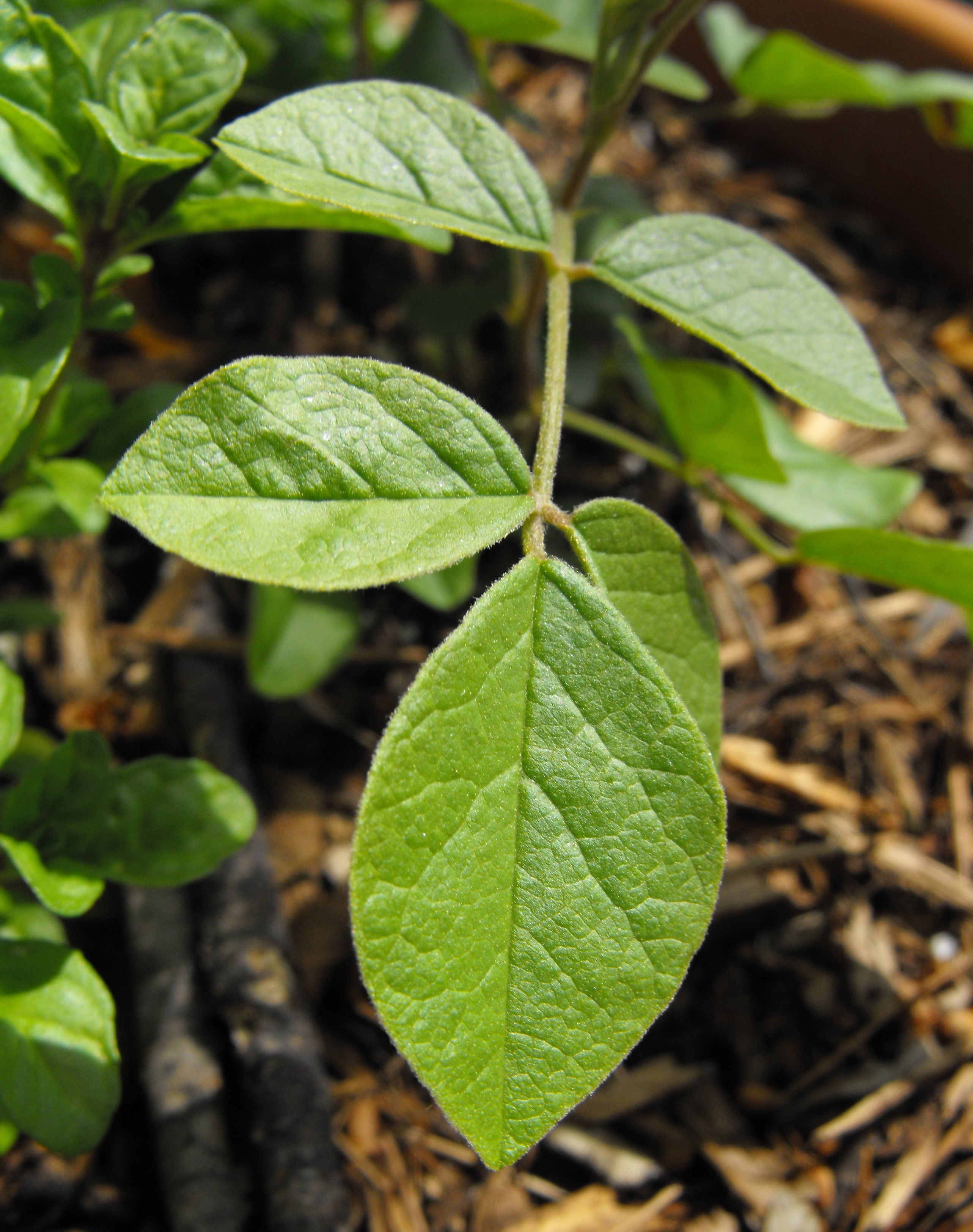
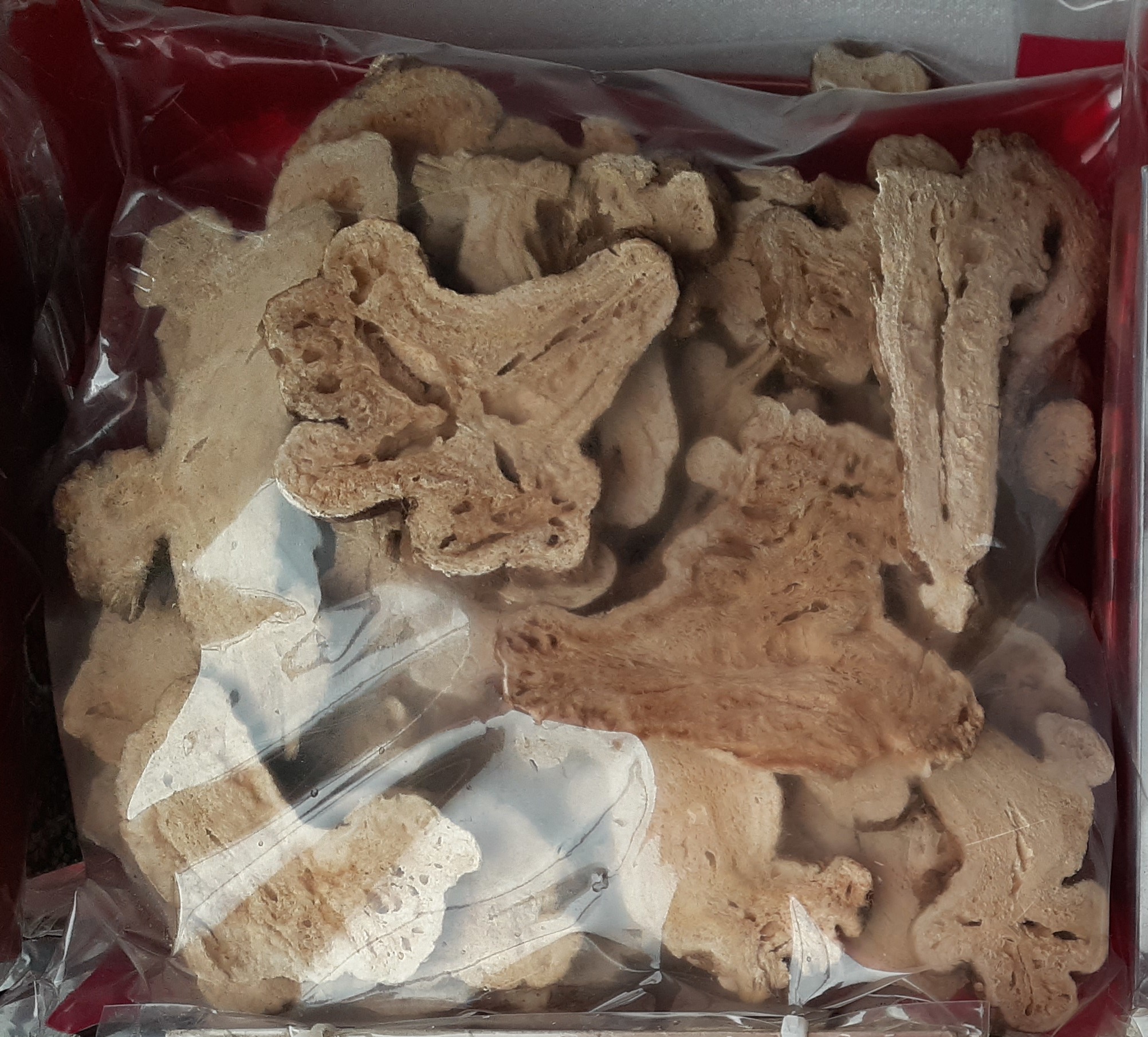
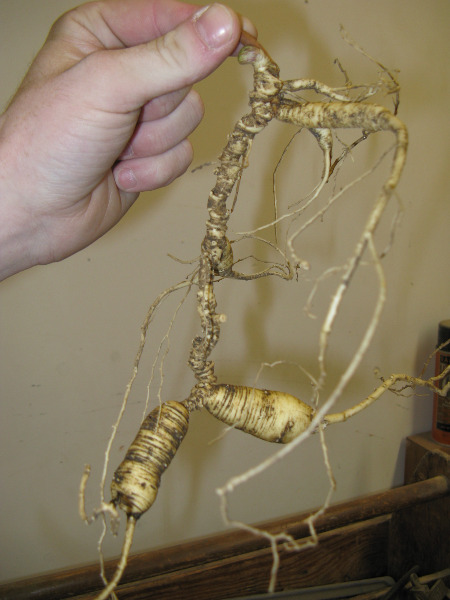
Chinese yam is a climbing vine whose underground tuber is elongated and often covered by a thin skin; the dried slices are white, firm, and starchy. The dried slices are smooth, white, and powdery, with a slightly sweet taste and a starchy, slightly mucilaginous texture when soaked. Dried slices, fresh food yam, and powdered products represent different objects, and the powder in particular can be mixed with cheaper starches, so the label and source matter.
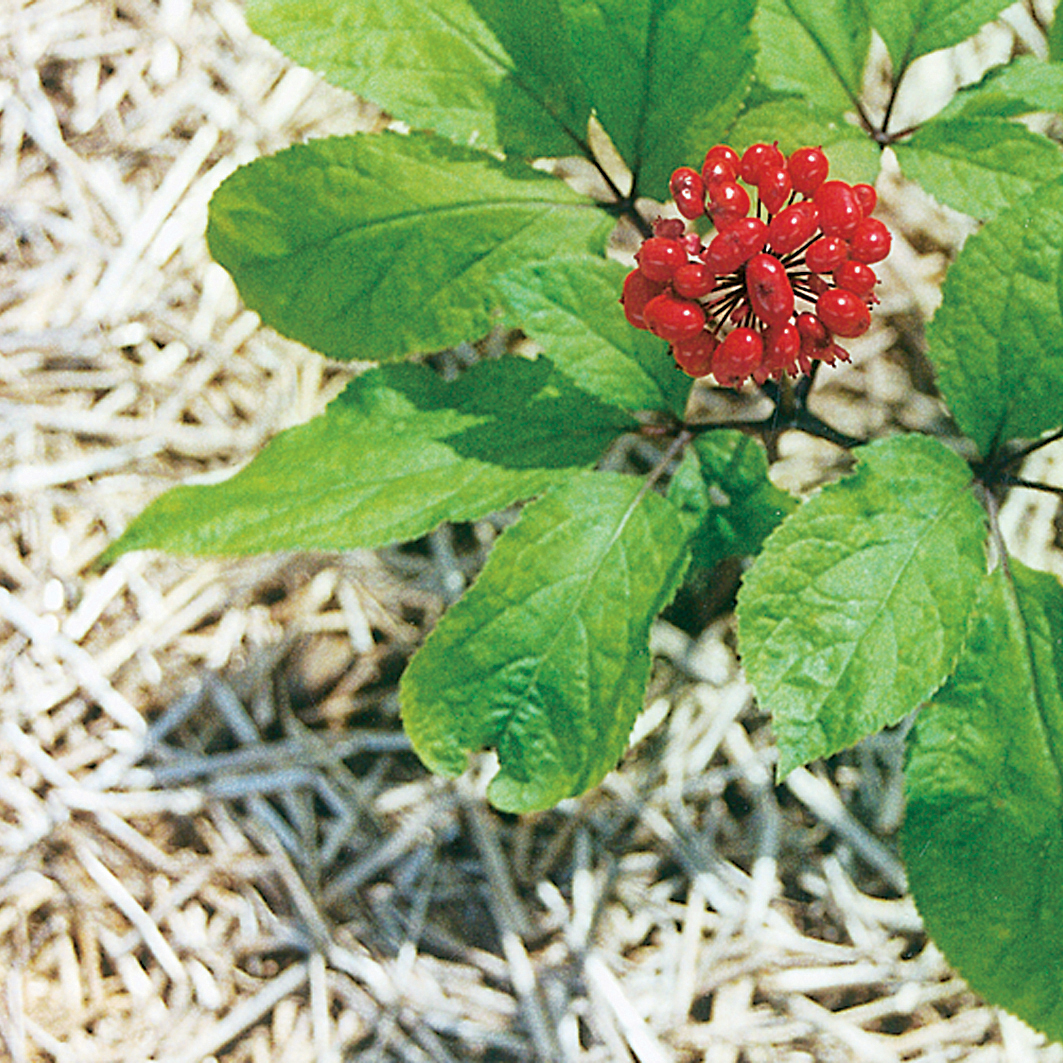
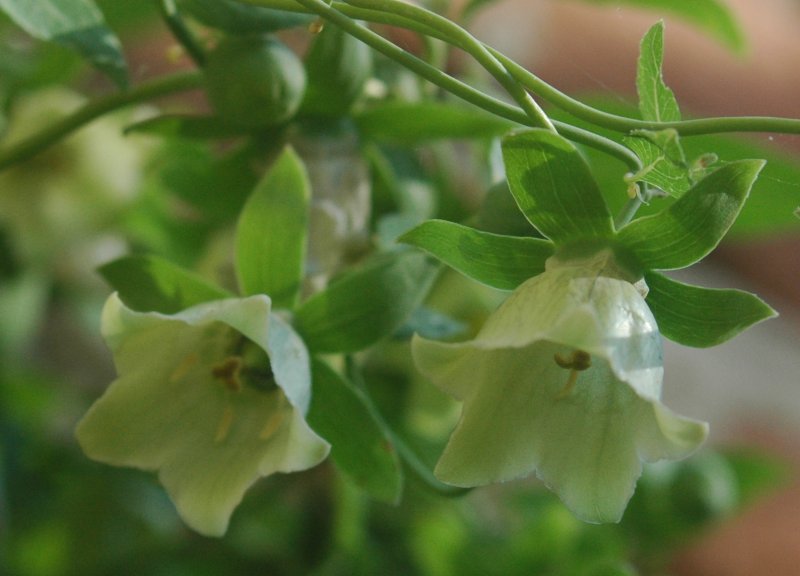
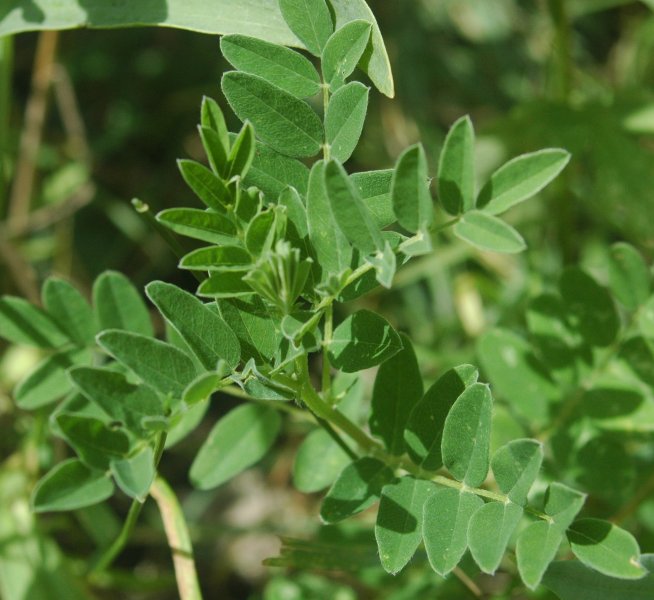
Images are for orientation only, not definitive species authentication; confirm species, part, source, and labeling with a qualified professional or authoritative monograph.
TRADITIONAL CONTEXT
Traditional Use in Context
Traditional records describe Chinese yam for food-like nourishment, spleen and stomach support, lung dryness, and kidney-related traditional language, often written into formulas for poor appetite, loose stools, and recovery from depletion, such as Shen Ling Bai Zhu San with Poria and Atractylodes. It is classically paired with qi-supporting and dampness-managing materials, and its food-like reputation places it among the gentler tonics. The traditional role is a historical description of how a food herb was organized in practice, not a modern claim about nutrition or any specific condition, and persistent digestive symptoms require clinical assessment.
PROCESSING CONTEXT
Raw Material, Processing, and Product Form
The tuber is peeled or cleaned, cut, and dried; some records use steamed or stir-fried forms. Moisture, mold, and storage are important because a starchy material can deteriorate when poorly kept, and the processed form should be stated on the product.
The same name can cover a raw material, decoction piece, powder, extract, or finished product, so record the labeled form rather than assuming it; see the safety review for the questions to ask.
SAFETY REVIEW
Safety Boundaries
Check for contact allergy, food allergy, digestive tolerance, and contamination in powders. A food use and a concentrated medicinal product should be evaluated separately, and a starchy powder should not be assumed safe for everyone.
This record is not a dose recommendation; risk depends on identity, preparation, amount, duration, contamination, other medicines, and health conditions — a traditional or “natural” label cannot establish safety. For the full framework, read the Chinese Herbal Medicine Safety Review.
COMPARISON
How This Entry Differs
Compare Chinese Yam with Codonopsis Root for its more food-like profile, with Poria for the dampness and digestion language, and with Prepared Rehmannia Root for the difference between starch-rich and rich, sticky materials. Its food status makes it gentler in tone but not interchangeable with true tonic roots.
Use the related-entry links below to compare identity, part, processing, and safety boundaries — similar categories do not make materials interchangeable.
STUDY METHOD
New to these entries?
Read the four-step method in How to Read a Herb Entry before comparing materials.