Herb reference entry
Ginseng
Ginseng
Panax ginseng C.A.Mey.
Reviewed by Kuda, September 2, 2026 - Editorial policy
OVERVIEW
What This Record Covers
Ginseng is the dried root and rhizome of Panax ginseng, a slow-growing perennial herb of the Araliaceae family that has been cultivated for centuries in cool, forested mountain regions, especially the Changbai range and neighboring growing areas in northeastern Asia. The medicinal part is the fleshy root and its attached rhizome, harvested after several years of growth, not the leaf or the red berry of the living plant. In the trade, ginseng appears as whole roots, thin slices, powders, teas, granules, and finished extracts, and the same common name covers sun-dried white ginseng, steamed red ginseng, and sugar-treated forms. Because the category label “qi tonic” is so broad, a reader should confirm the species, the processed form, and the product concentration before comparing any traditional statement about strength or temperature.
- English name
- Ginseng
- Latin name
- Panax ginseng C.A.Mey.
- Traditional category
- Qi Tonifying
- Nature
- Slightly Warm
- Flavor description
- Sweet, Slightly Bitter
- Record identifier
- renshen
IDENTIFICATION
Identification and Image Notes
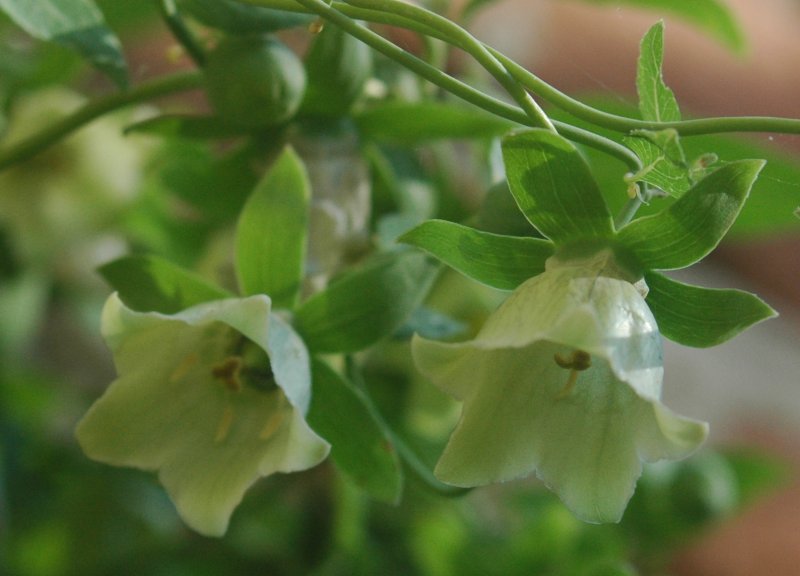
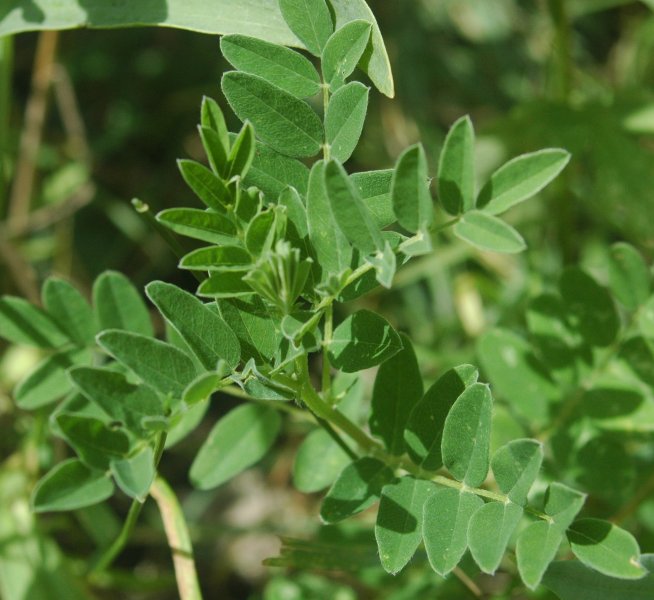
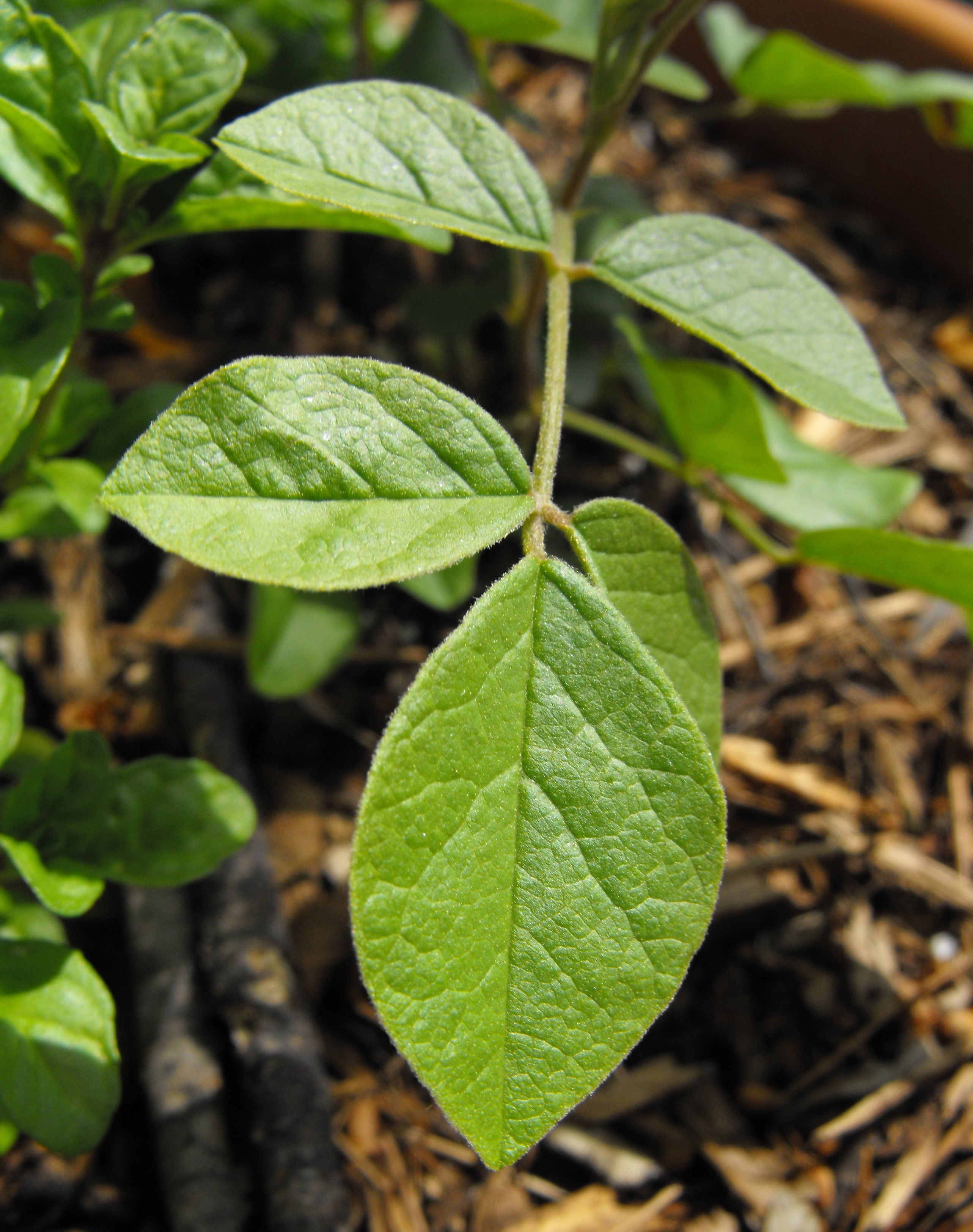
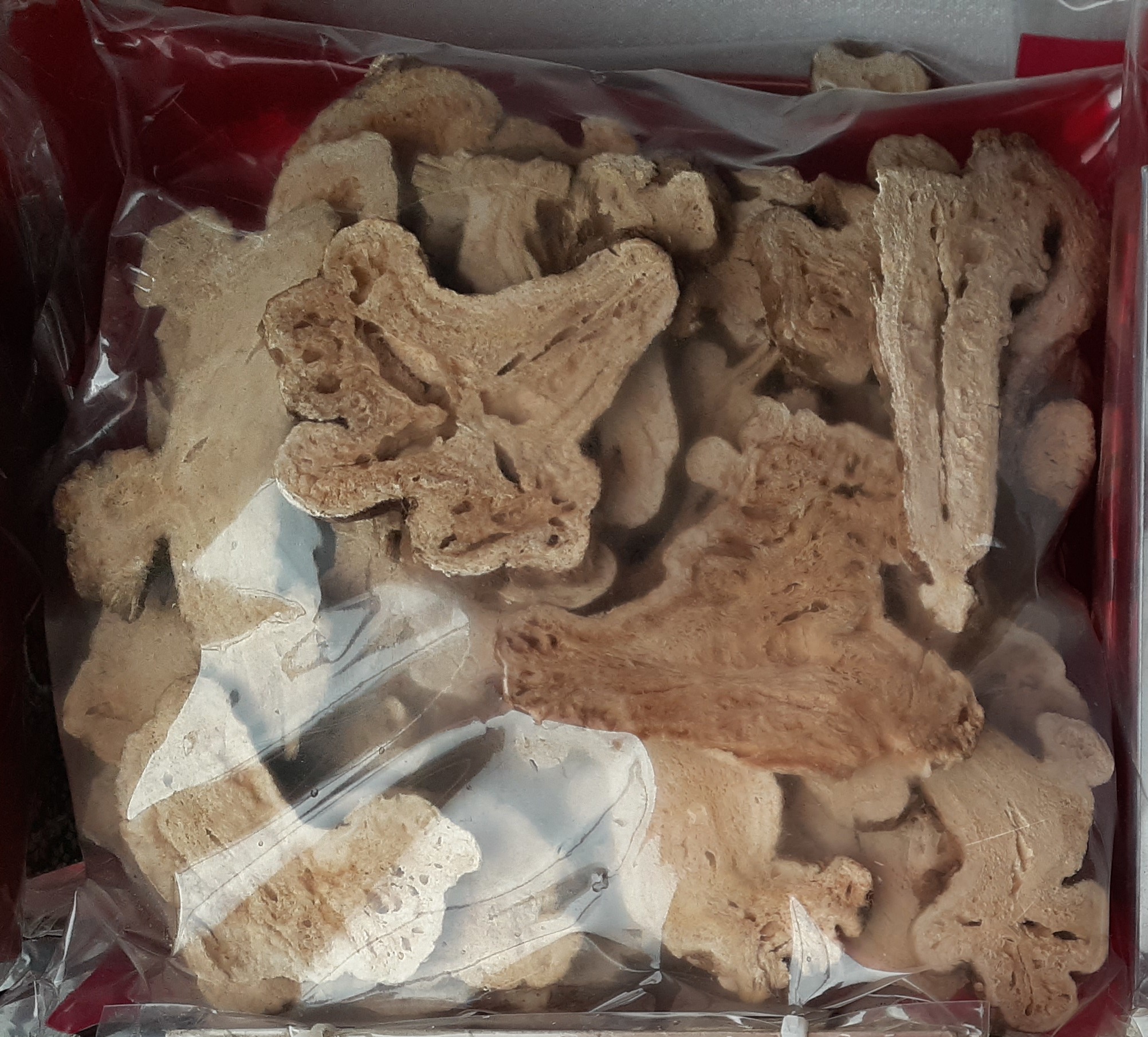
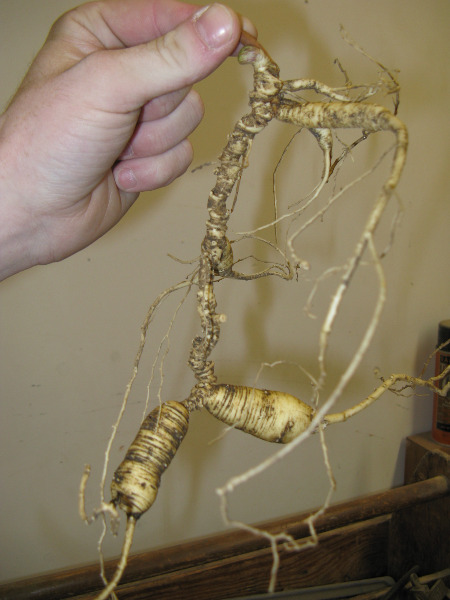
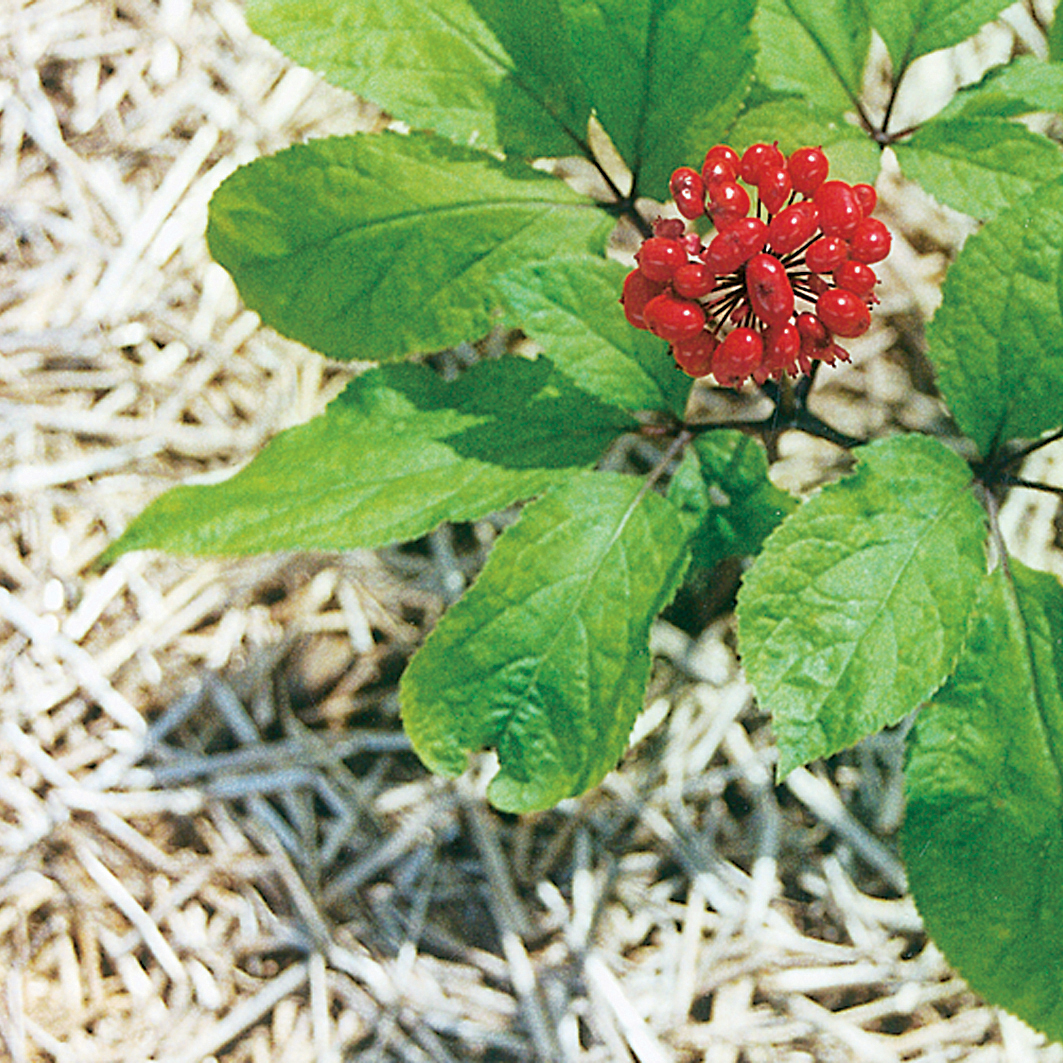
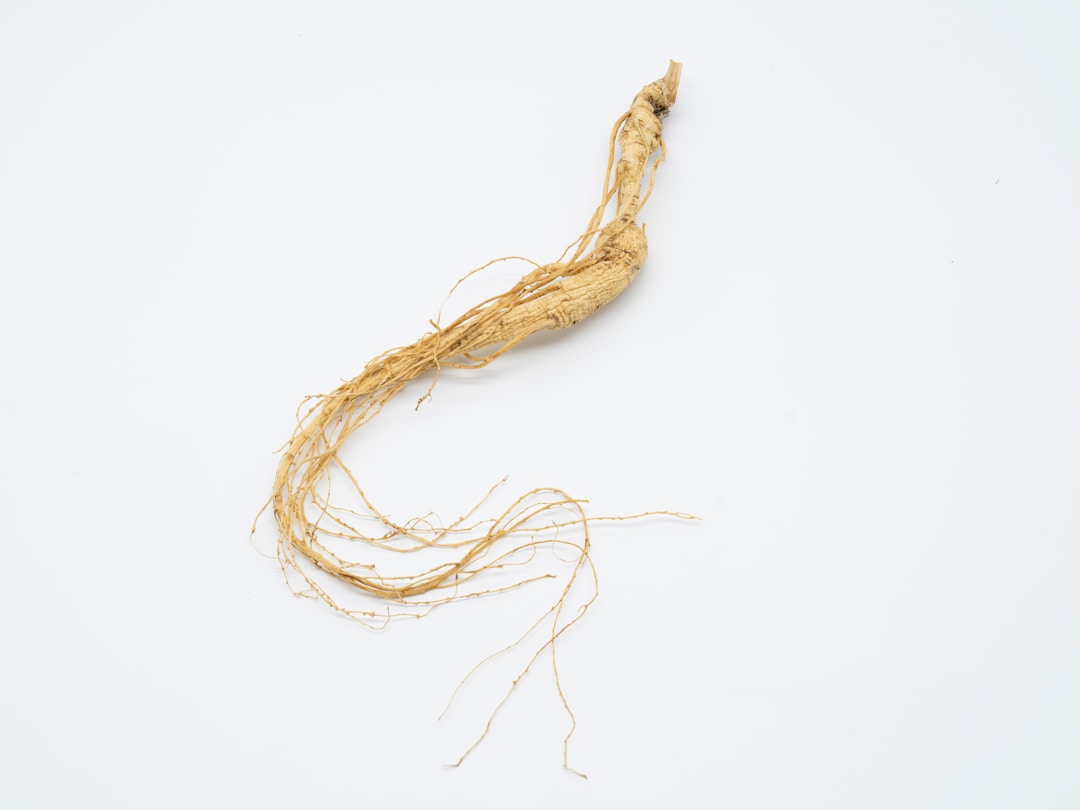
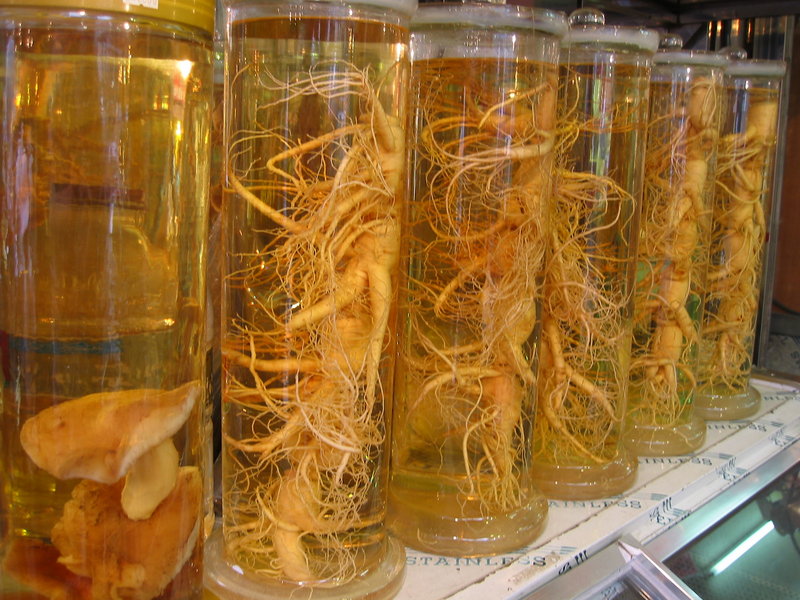
The living plant has a single upright stem, a whorl of palmate leaves, small greenish flowers, and red berries, but the medicinal record concerns the root and rhizome. The dried root is fleshy and spindle-shaped or cylindrical, gray-yellow on the surface with horizontal wrinkles near the top, and the cut surface is pale yellow-white with a brown cambium ring and radiating lines that are sometimes described as a “chrysanthemum heart.” Common substitutes and adulterants include balloon flower root, poke root, and wild cowpea root, so a shape or color alone cannot authenticate the material.
Images are for orientation only, not definitive species authentication; confirm species, part, source, and labeling with a qualified professional or authoritative monograph.
TRADITIONAL CONTEXT
Traditional Use in Context
In traditional materia medica records, ginseng is discussed as a strong qi-supporting material for digestive weakness, fatigue, poor appetite, and recovery after prolonged illness or depletion, and it appears in formulas aimed at protecting fluids and restoring energy. Classical combinations such as Si Jun Zi Tang (Four Gentlemen Decoction, with Atractylodes, Poria, and Liquorice) and Sheng Mai San (with Dwarf Lilyturf Root and Schisandra Fruit) place ginseng in contexts of qi support, while Shen Fu Tang pairs it with Prepared Aconite in records concerning collapse of yang. These are historical descriptions of how the root was used in pattern-based practice, not modern evidence of efficacy for any specific disease. The classical role is usually read together with the whole presentation, the preparation, and the combination, never as a single-symptom remedy.
PROCESSING CONTEXT
Raw Material, Processing, and Product Form
Study records distinguish sun-dried ginseng, steamed red ginseng, and sugar-treated forms. Sun-drying after washing produces a relatively cool and pale product, steaming produces red ginseng with a warmer traditional description and darker color, and sugar treatment produces a brittle sweet form. These are different processed materials with different appearance and traditional temperature descriptions, and they should not be treated as interchangeable when comparing products.
The same name can cover a raw material, decoction piece, powder, extract, or finished product, so record the labeled form rather than assuming it; see the safety review for the questions to ask.
SAFETY REVIEW
Safety Boundaries
The main questions are product identity, concentration, stimulant-like effects, sleep, blood pressure, and interactions with long-term medicines. Excessive use has historically been associated with overstimulation, insomnia, headache, palpitations, and blood pressure changes, and traditional contraindications include exuberant heat patterns and damp-heat presentations. Hypertension, pregnancy, and concurrent medicines deserve professional review, and a traditional tonifying label does not establish suitability for an individual. This page is not a dose recommendation.
This record is not a dose recommendation; risk depends on identity, preparation, amount, duration, contamination, other medicines, and health conditions — a traditional or “natural” label cannot establish safety. For the full framework, read the Chinese Herbal Medicine Safety Review.
COMPARISON
How This Entry Differs
Compare Ginseng with Codonopsis Root for traditional strength, with Astragalus Root for the different emphasis on surface support and fluid movement, and with American Ginseng for species, cultivation source, and temperature. The amount of source information available and the strictness of quality control also differ among these roots.
Use the related-entry links below to compare identity, part, processing, and safety boundaries — similar categories do not make materials interchangeable.
STUDY METHOD
New to these entries?
Read the four-step method in How to Read a Herb Entry before comparing materials.