Herb reference entry
Liquorice Root
Liquorice Root
Glycyrrhiza uralensis Fisch.
Reviewed by Kuda, September 2, 2026 - Editorial policy
OVERVIEW
What This Record Covers
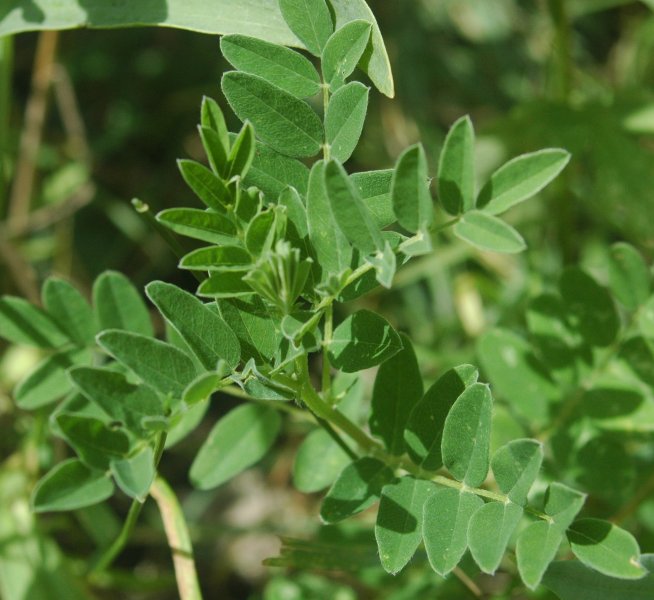
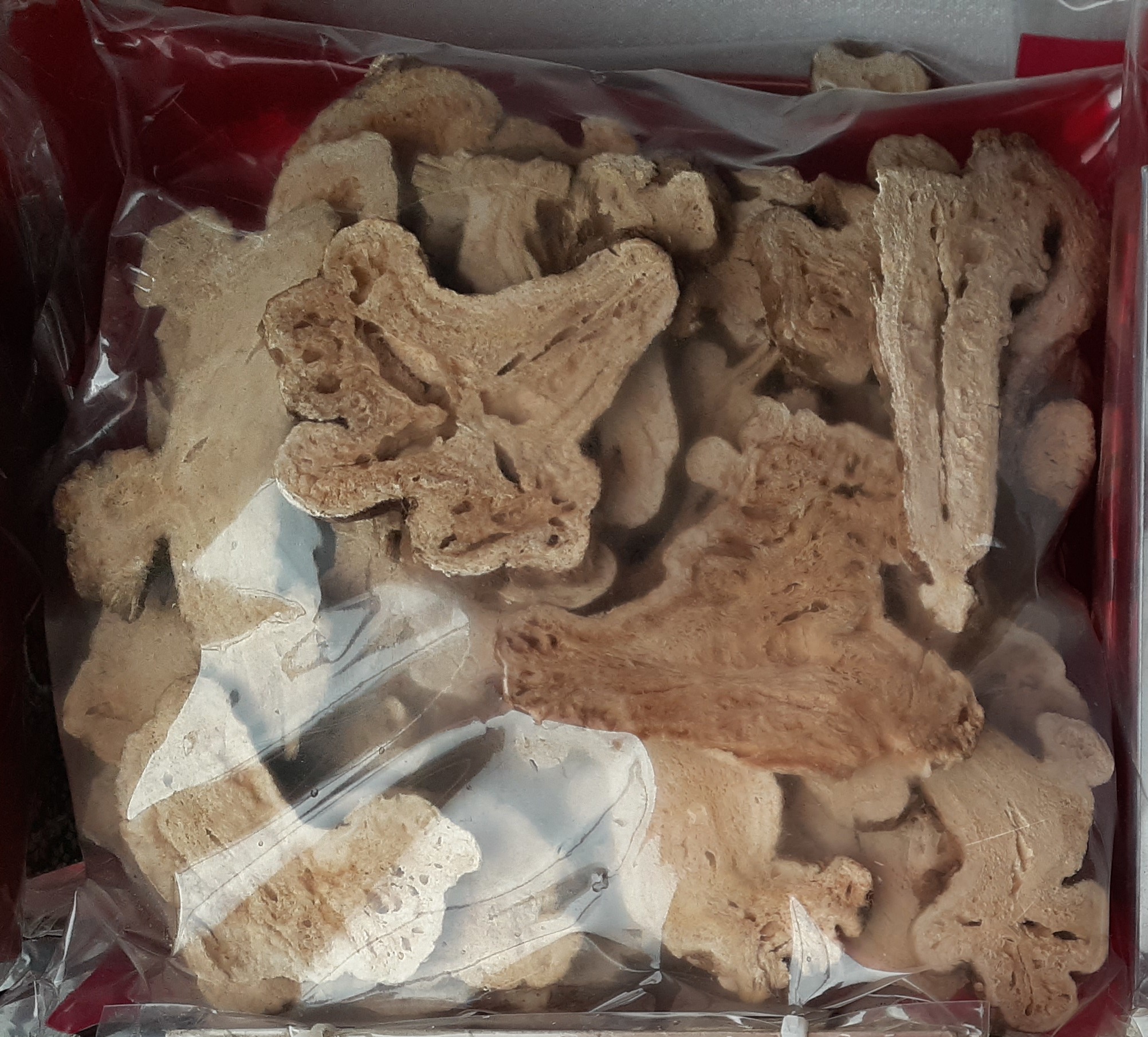
Liquorice Root is the dried root and rhizome of Glycyrrhiza uralensis and related medicinal liquorice species, a perennial legume that grows in dry plains and sandy regions across Asia and Europe. The medicinal part is the yellow-brown root with its distinctly sweet taste, harvested, cleaned, and dried for use as slices or as a concentrated extract. Liquorice appears as raw dried slices, honey-fried slices, powders, teas, candies, and concentrated extracts, and the same common name covers very different products with very different exposure. It is best known in traditional practice as a harmonizing ingredient that moderates other materials in a formula, which makes species, root section, and extract form matter when comparing products.
- English name
- Liquorice Root
- Latin name
- Glycyrrhiza uralensis Fisch.
- Traditional category
- Qi Tonifying
- Nature
- Neutral
- Flavor description
- Sweet
- Record identifier
- gancao
IDENTIFICATION
Identification and Image Notes
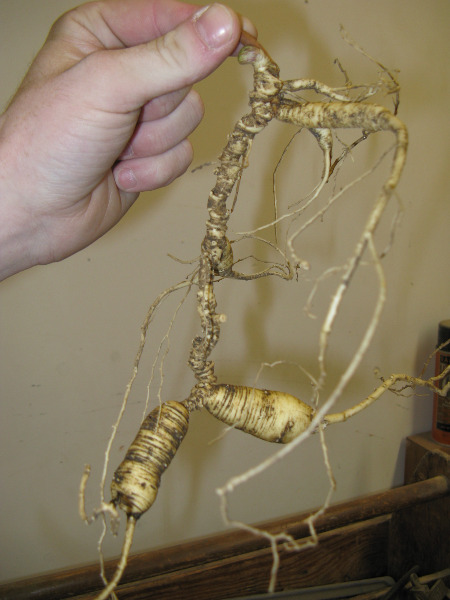
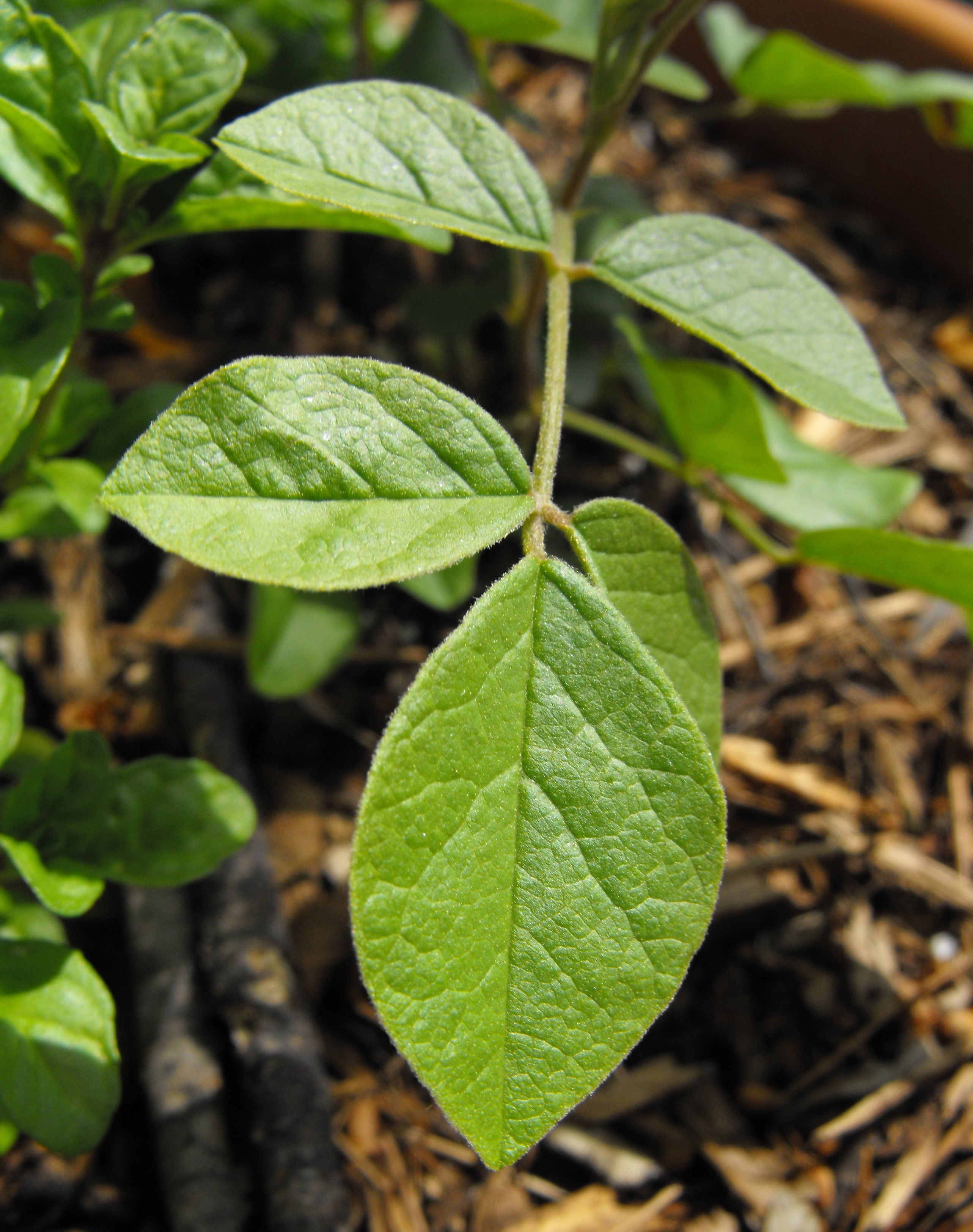
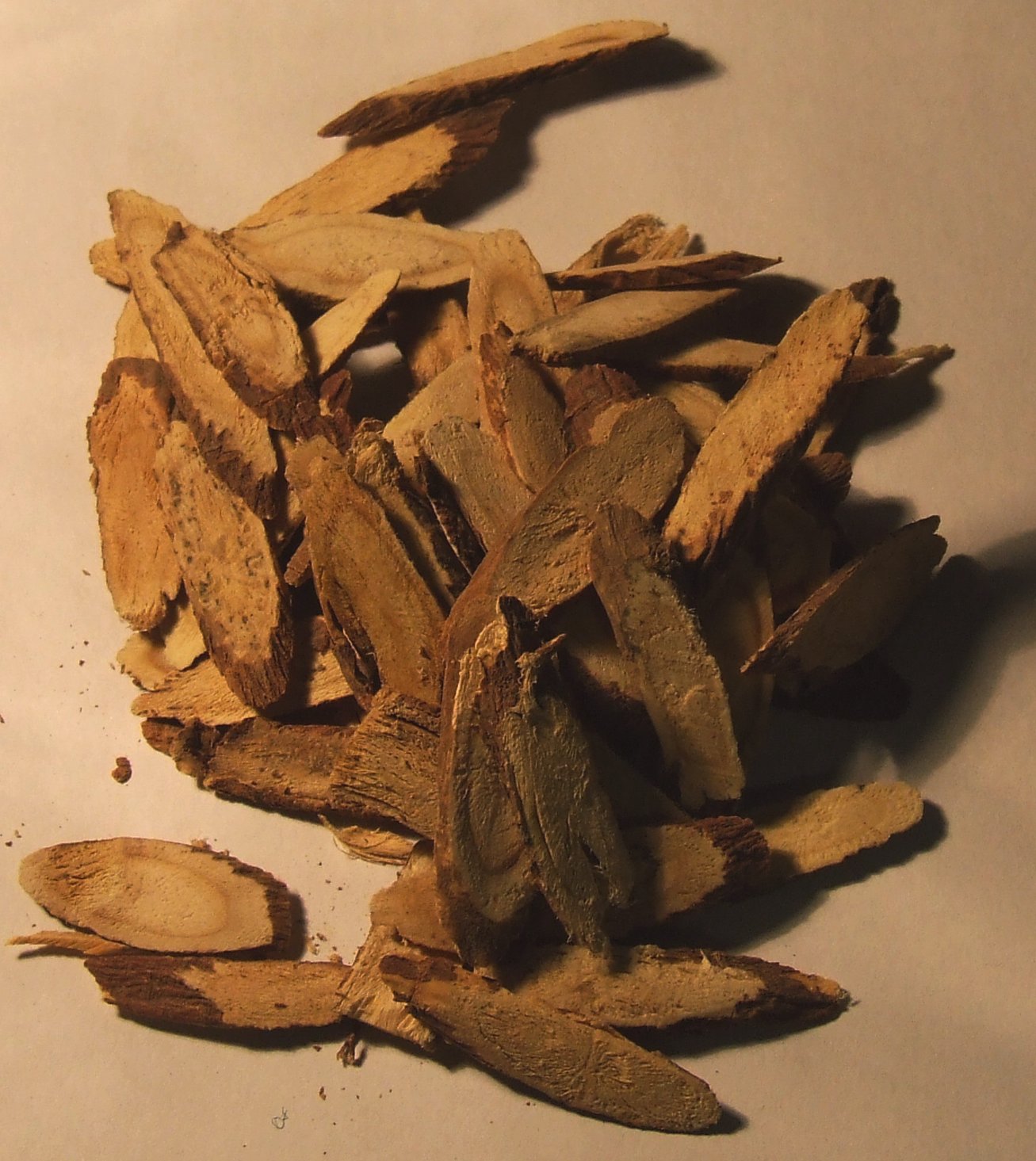
Liquorice is a perennial legume with creeping rhizomes and yellow-brown roots that have a distinctly sweet taste. The dried root is cylindrical, fibrous, and yellow inside, and the sweet taste is an orientation clue rather than full authentication. Species, root section, and extract form matter when comparing products.
Images are for orientation only, not definitive species authentication; confirm species, part, source, and labeling with a qualified professional or authoritative monograph.
TRADITIONAL CONTEXT
Traditional Use in Context
Traditional records place liquorice in harmonizing formulas, sweet qi support, throat and cough language, and moderation of harsh combinations, and it is added to a wide range of formulas to reduce the harshness of other ingredients. Classical texts also describe it for sore throat, dry cough, and digestive complaints, often combined with honey or with other lung-related materials. The harmonizing role is a historical description of formula construction, not evidence that liquorice neutralizes medicine side effects in a modern sense, and it should not be read as a license to add liquorice to every product.
PROCESSING CONTEXT
Raw Material, Processing, and Product Form
Traditional records distinguish raw liquorice from honey-fried slices. A concentrated extract, candy, tea, or formula is not equivalent to a dried slice, even when the front label uses the same common name, and the processed form should be recorded together with the source species.
The same name can cover a raw material, decoction piece, powder, extract, or finished product, so record the labeled form rather than assuming it; see the safety review for the questions to ask.
SAFETY REVIEW
Safety Boundaries
Repeated or concentrated exposure can affect blood pressure, potassium, fluid balance, and heart rhythm in susceptible people. Review hypertension, heart or kidney disease, pregnancy, and interacting medicines before use, and avoid long-term high-dose products without professional guidance.
This record is not a dose recommendation; risk depends on identity, preparation, amount, duration, contamination, other medicines, and health conditions — a traditional or “natural” label cannot establish safety. For the full framework, read the Chinese Herbal Medicine Safety Review.
COMPARISON
How This Entry Differs
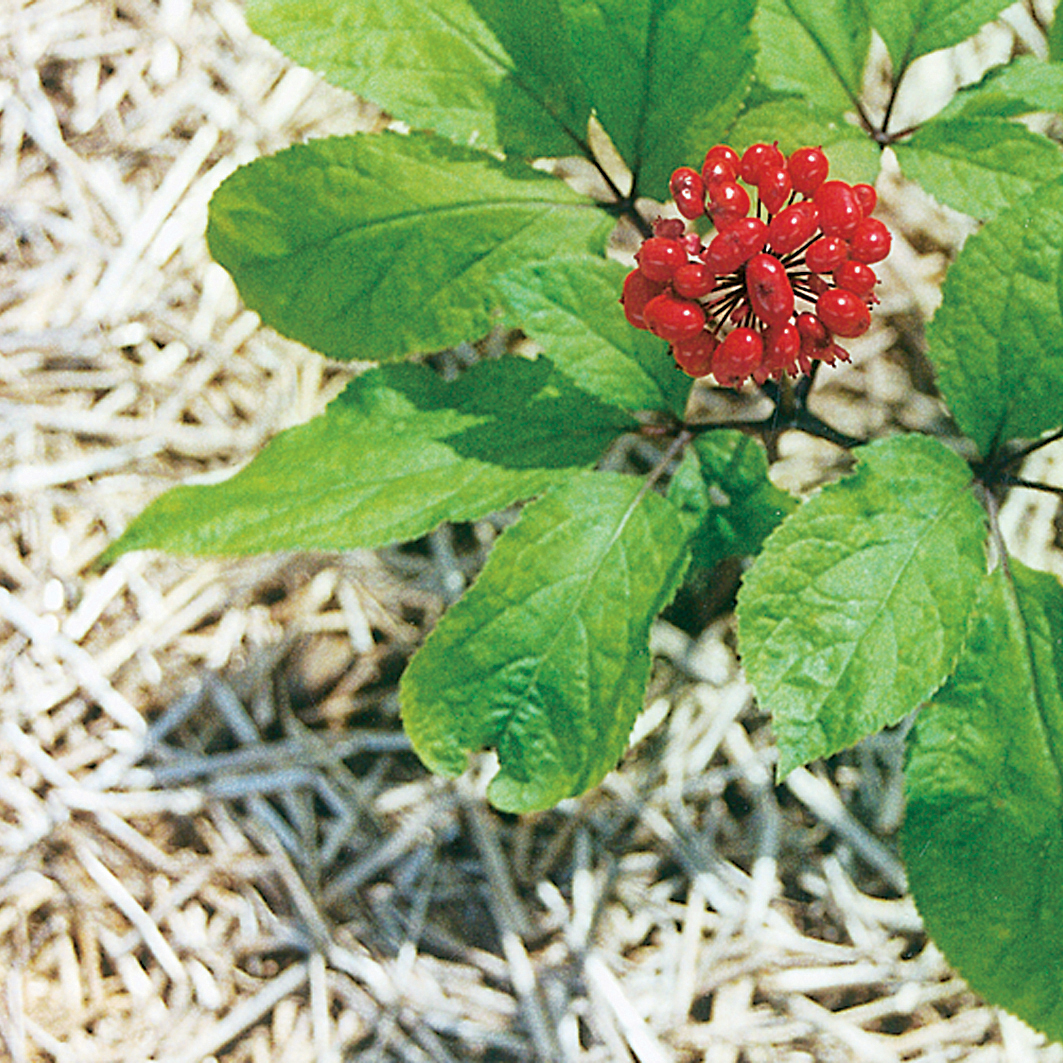
Compare Liquorice Root with Ginseng and Astragalus Root for its harmonizing role, sweetness, processing options, and more prominent long-term exposure questions. Where ginseng and astragalus are the tonic center of a formula, liquorice is classically the moderator.
Use the related-entry links below to compare identity, part, processing, and safety boundaries — similar categories do not make materials interchangeable.
STUDY METHOD
New to these entries?
Read the four-step method in How to Read a Herb Entry before comparing materials.