Herb reference entry
Sichuan Lovage Root / Chuanxiong
Sichuan Lovage Root / Chuanxiong
Ligusticum chuanxiong Hort.
Reviewed by Kuda, September 2, 2026 - Editorial policy
OVERVIEW
What This Record Covers
Sichuan Lovage Root is the dried rhizome of Ligusticum chuanxiong, a low perennial herb of the parsley family (Apiaceae) cultivated mainly in Sichuan Province and neighboring regions of China. The medicinal part is the knobby underground rhizome, dug, cleaned, and dried for use as slices or whole pieces. The material appears as aromatic rhizome slices, powders, granules, and combined formulas, and it is one of the most widely used qi- and blood-moving ingredients in classical practice. Because the rhizome is strongly aromatic and closely related to other Ligusticum and Cnidium roots, the stated species, the medicinal part, and the processing record should accompany any product.
- English name
- Sichuan Lovage Root / Chuanxiong
- Latin name
- Ligusticum chuanxiong Hort.
- Traditional category
- Blood Activating
- Nature
- Warm
- Flavor description
- Pungent
- Record identifier
- chuanxiong
IDENTIFICATION
Identification and Image Notes
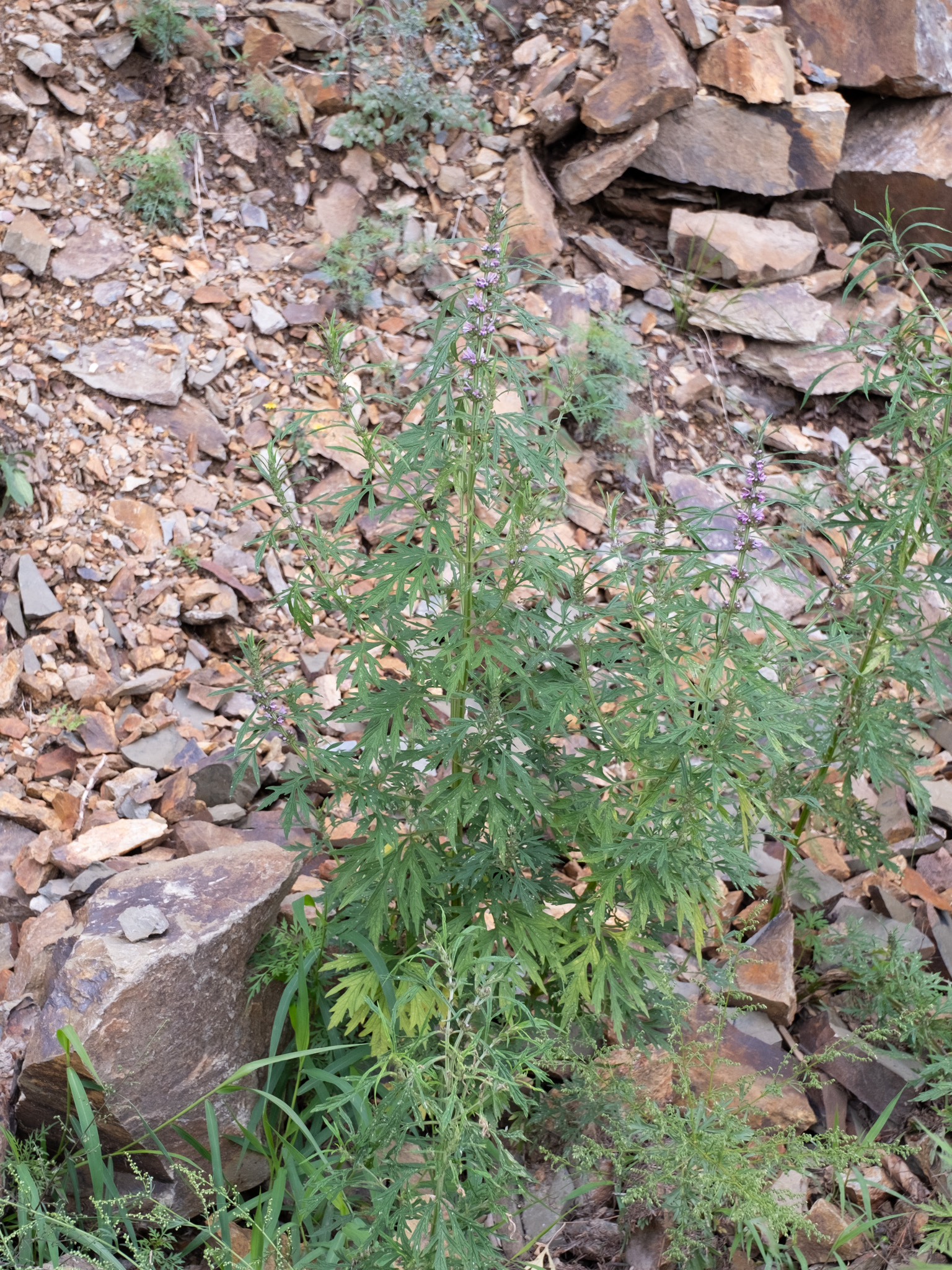
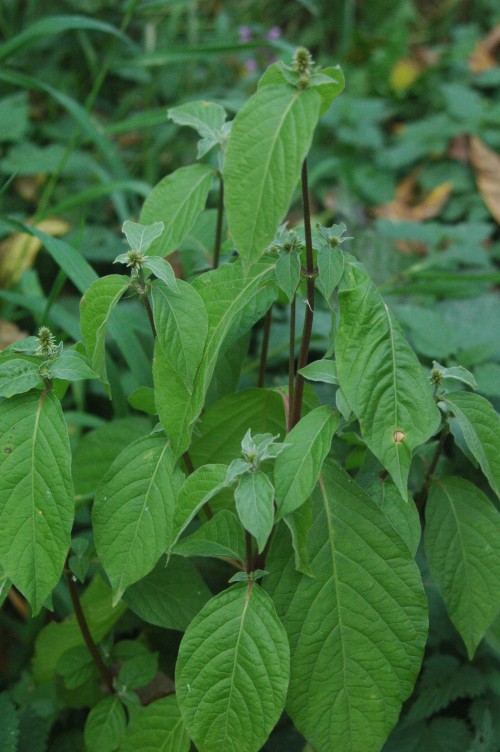
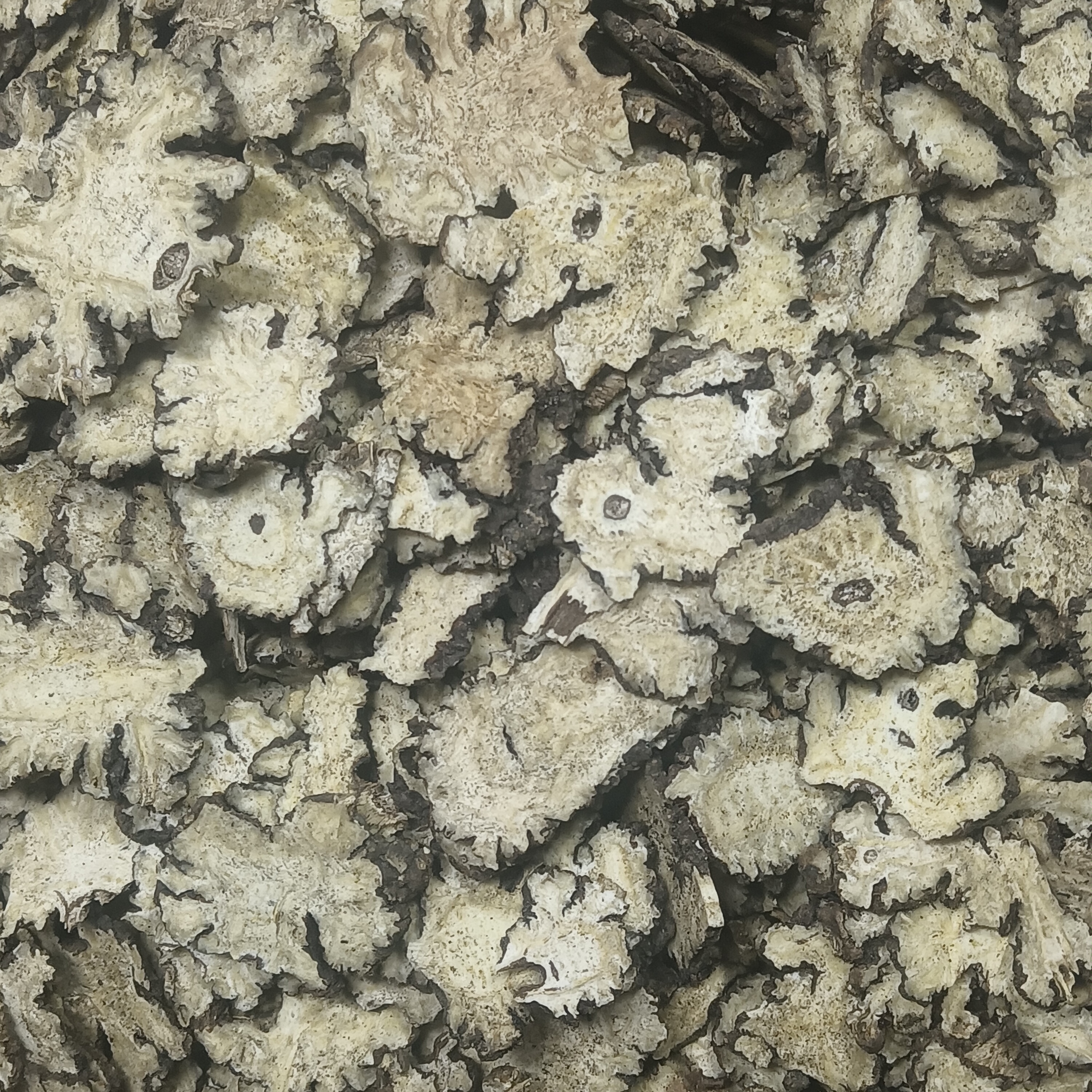
The rhizome is knobby, gray-brown outside, and pale inside with an intensely aromatic smell, and the strong aroma is an orientation clue rather than proof of species or freshness. Related aromatic roots in the same family can look similar, so the Latin name, region, and processing should be confirmed with the label.
Images are for orientation only, not definitive species authentication; confirm species, part, source, and labeling with a qualified professional or authoritative monograph.
TRADITIONAL CONTEXT
Traditional Use in Context
Traditional records discuss Sichuan Lovage for moving qi and blood, headache, menstrual pain, and upper-body circulation language, and it is a central ingredient in classical combinations such as Si Wu Tang (Four Substances Decoction) and Chuan Xiong Cha Tiao San for wind-type headache. Classical texts describe it for pain, menstrual irregularity, and constrained circulation, always within a pattern-based framework. The pain and circulation vocabulary is historical: it describes how the rhizome was organized in formula practice, and it does not establish the cause of a headache or menstrual symptom or authorize self-treatment of recurrent pain.
PROCESSING CONTEXT
Raw Material, Processing, and Product Form
The rhizome is cleaned, sliced, and dried, and different slicing, drying, and stir-frying records may appear in the literature. Extracts and essential oils have a different exposure profile from decoction pieces, and volatile-aroma products should be stored away from heat and light.
The same name can cover a raw material, decoction piece, powder, extract, or finished product, so record the labeled form rather than assuming it; see the safety review for the questions to ask.
SAFETY REVIEW
Safety Boundaries
The moving vocabulary is not an instruction for an individual, and pregnancy, active bleeding, recent surgery, anticoagulants, and allergy history deserve professional review. Recurrent headache or chest pain requires medical assessment rather than a formula-based label, and the material should not be used to self-treat menstrual symptoms that are severe or unexplained.
This record is not a dose recommendation; risk depends on identity, preparation, amount, duration, contamination, other medicines, and health conditions — a traditional or “natural” label cannot establish safety. For the full framework, read the Chinese Herbal Medicine Safety Review.
COMPARISON
How This Entry Differs
Compare Sichuan Lovage Root with Salvia Root for the qi-and-blood mover versus the cooler blood-focused root, with Nutgrass Rhizome for the qi-moving end of the spectrum, and with Angelica for the nourishing end. All four appear together in classical blood formulas, which is exactly why their individual roles need to be separated.
Use the related-entry links below to compare identity, part, processing, and safety boundaries — similar categories do not make materials interchangeable.
STUDY METHOD
New to these entries?
Read the four-step method in How to Read a Herb Entry before comparing materials.