Herb reference entry
Notoginseng / Sanchi
Notoginseng / Sanchi
Panax notoginseng (Burkill) F.H.Chen
Reviewed by Kuda, September 2, 2026 - Editorial policy
OVERVIEW
What This Record Covers
Notoginseng is the dried root and rhizome of Panax notoginseng, a slow-growing perennial herb of the ginseng family (Araliaceae) cultivated in the cool highlands of Yunnan and Guangxi in southern China. The medicinal part is the short, knobby underground root, harvested from plants several years old, not the leaves or the small red fruit of the above-ground plant. In trade it appears as whole knobby roots, sliced pieces, fine powder, pressed tablets, and finished capsules, and because the powder form is so common, concentration and batch details matter more than a photograph. Although the plant shares a genus with Ginseng, the two are different species with different shapes, growing conditions, and traditional records, so the label rather than the common name should govern any comparison.
- English name
- Notoginseng / Sanchi
- Latin name
- Panax notoginseng (Burkill) F.H.Chen
- Traditional category
- Blood Activating
- Nature
- Warm
- Flavor description
- Sweet, Slightly Bitter
- Record identifier
- sanqi
IDENTIFICATION
Identification and Image Notes
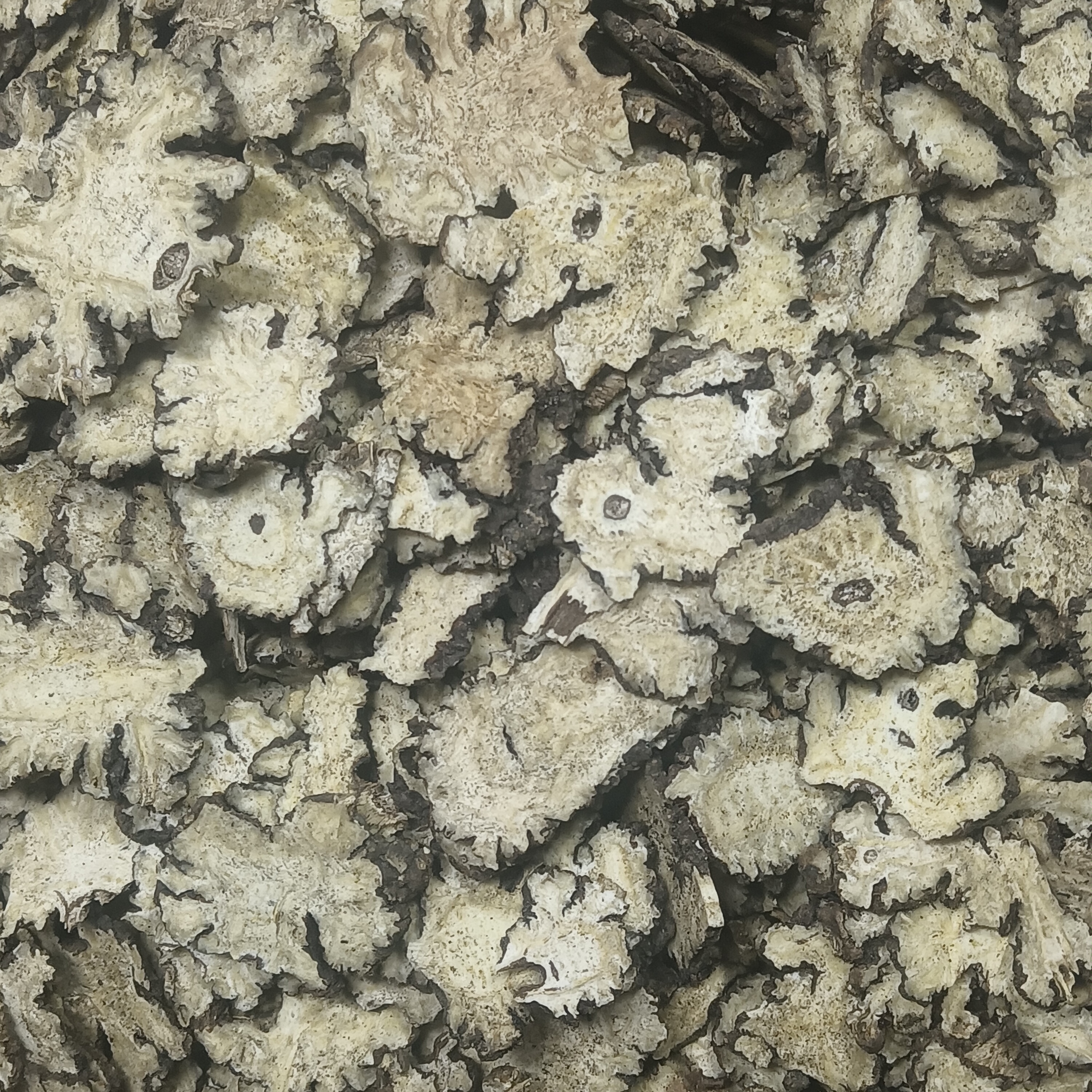
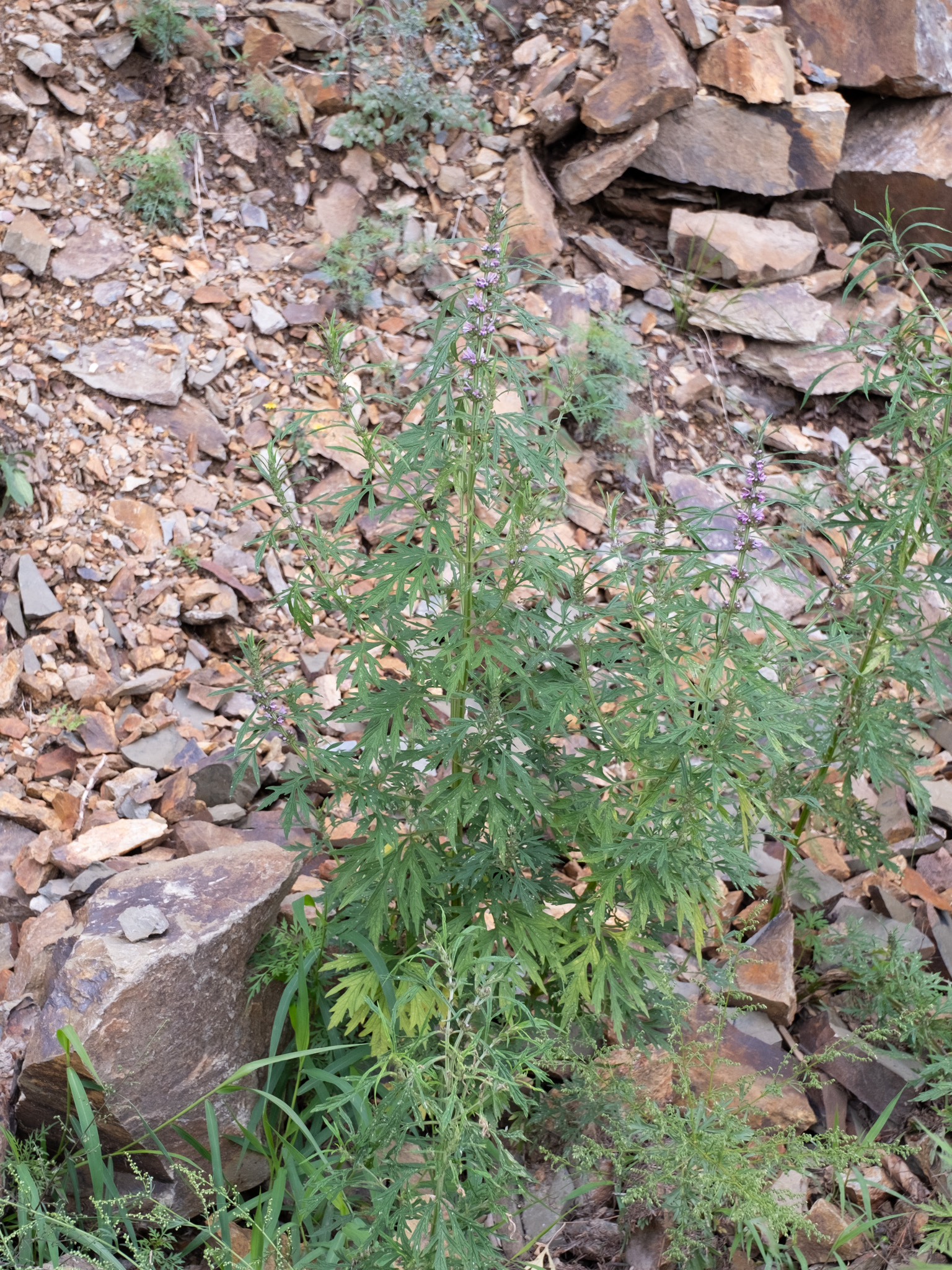
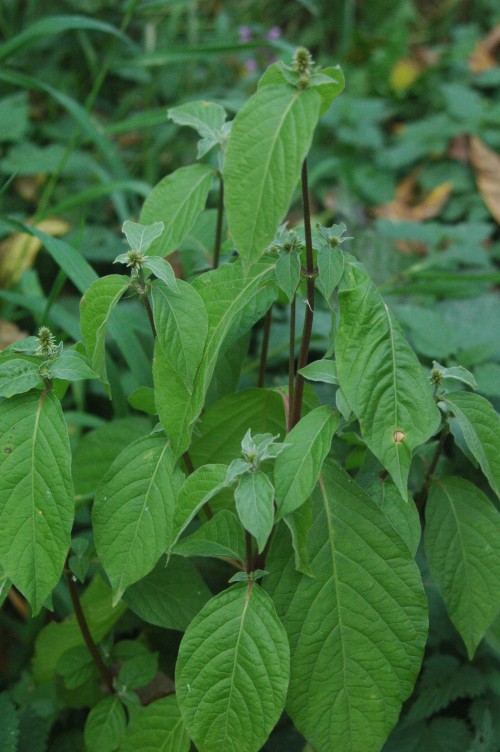
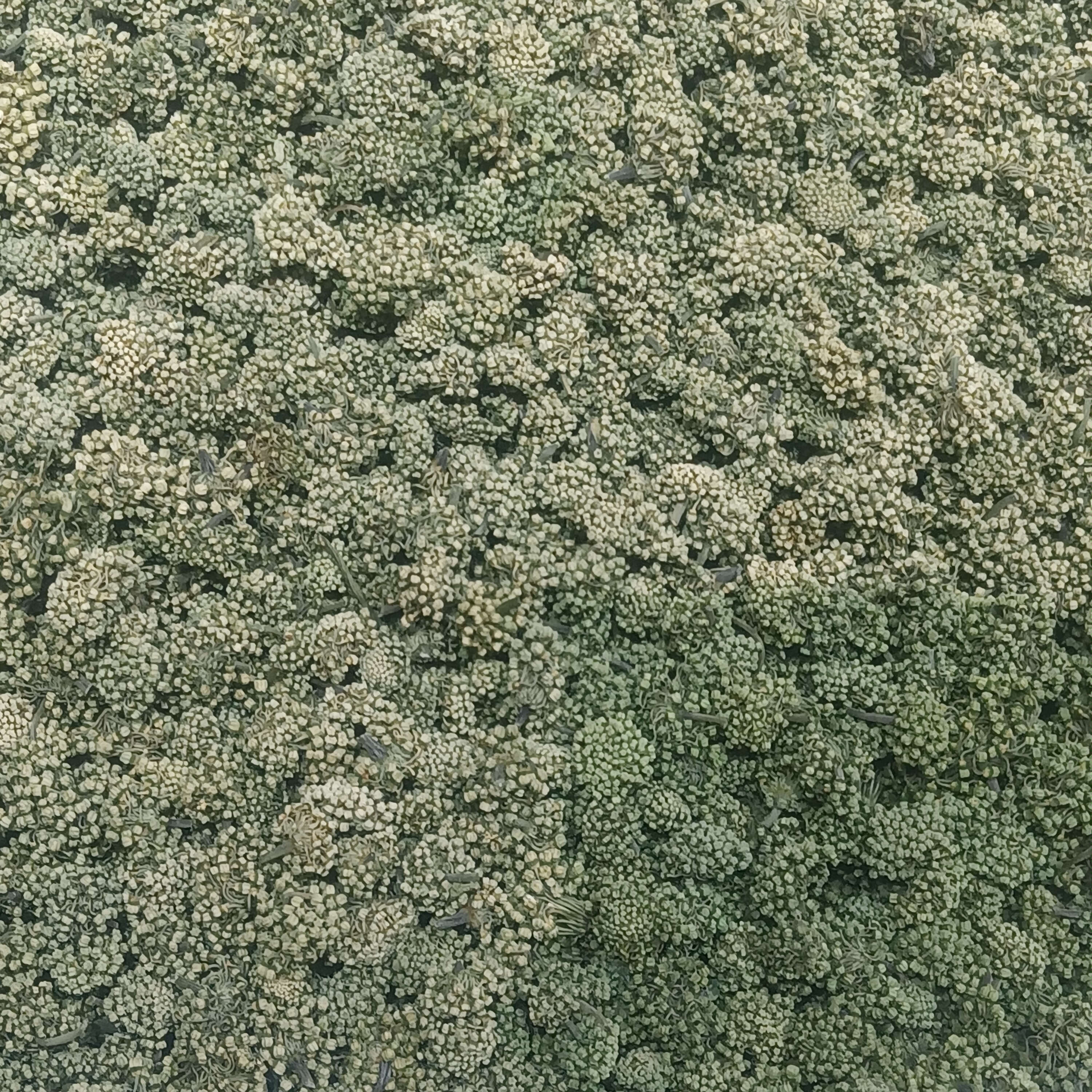
Notoginseng has a short, knobby root with a hard, pale yellow-brown interior, and it shares a genus with Ginseng but differs in species, shape, and record. The powder form loses most visible identity clues, so a reputable label, batch number, and source documentation matter more than appearance, and the root should not be inferred from pictures of the whole plant.
Images are for orientation only, not definitive species authentication; confirm species, part, source, and labeling with a qualified professional or authoritative monograph.
TRADITIONAL CONTEXT
Traditional Use in Context
Traditional records discuss Notoginseng for moving blood, stopping bleeding, and supporting recovery after injury, and the material is unusual because it carries both directions of this vocabulary at once: it appears in bleeding-related combinations and in blood-stasis and pain formulas. It is the central ingredient in well-known trauma preparations such as Yunnan Baiyao and in classical injury formulas that pair it with Safflower and Myrrh. Classical texts describe it for traumatic bruising, swelling, and bleeding-related presentations, always within a pattern-based framework. These are historical descriptions of how the root was organized in practice, not evidence that it treats a modern injury or bleeding disorder, and they do not authorize self-treatment of a wound or internal bleeding.
PROCESSING CONTEXT
Raw Material, Processing, and Product Form
The root may be dried whole, sliced, powdered, or prepared by heating, and each form is a different record. Powdered and pressed products need batch and concentration details that an image cannot provide, and roasted or fried material should not be presented as the raw root.
The same name can cover a raw material, decoction piece, powder, extract, or finished product, so record the labeled form rather than assuming it; see the safety review for the questions to ask.
SAFETY REVIEW
Safety Boundaries
The dual “stops bleeding and moves blood” vocabulary is context-dependent traditional language, not an instruction, and the material deserves professional review for active bleeding, recent surgery, anticoagulant or antiplatelet medicines, pregnancy, and blood pressure or glucose treatment. Unexplained bruising, heavy bleeding, or pain after an injury requires ordinary medical assessment rather than a traditional reading, and this page is not a dose recommendation.
This record is not a dose recommendation; risk depends on identity, preparation, amount, duration, contamination, other medicines, and health conditions — a traditional or “natural” label cannot establish safety. For the full framework, read the Chinese Herbal Medicine Safety Review.
COMPARISON
How This Entry Differs
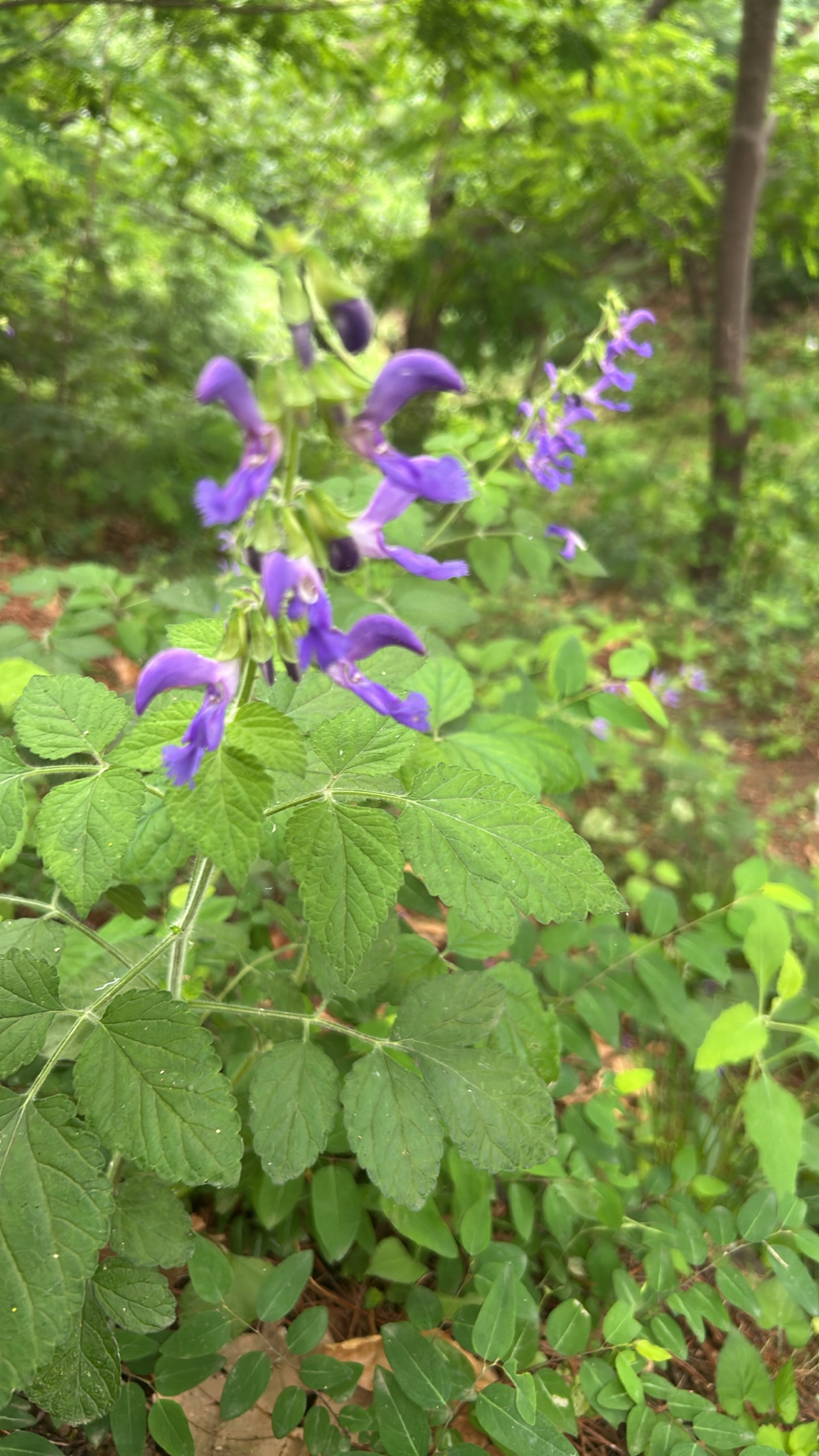
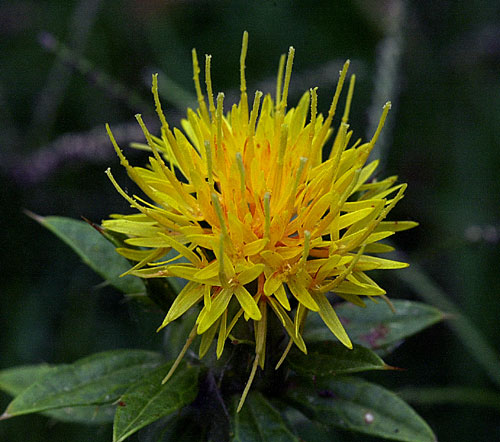
Compare Notoginseng with Salvia Root and Safflower for different blood-related roles, plant parts, and interaction questions: Notoginseng is the root most associated with both movement and bleeding control, Salvia the cooler chest-oriented root, and Safflower the flower-based mover. The three are frequent formula partners, which makes their boundaries easy to blur.
Use the related-entry links below to compare identity, part, processing, and safety boundaries — similar categories do not make materials interchangeable.
STUDY METHOD
New to these entries?
Read the four-step method in How to Read a Herb Entry before comparing materials.