Herb reference entry
Safflower
Safflower
Carthamus tinctorius L.
Reviewed by Kuda, September 2, 2026 - Editorial policy
OVERVIEW
What This Record Covers
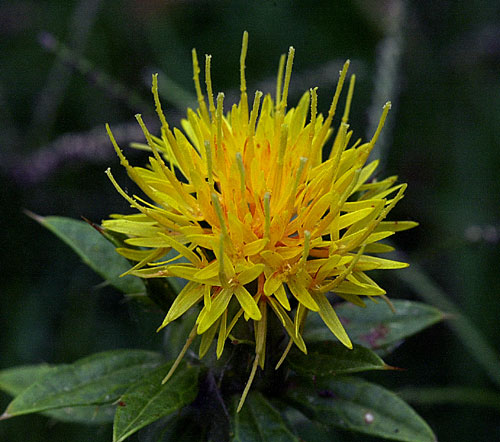
Safflower is the dried flower tubes of Carthamus tinctorius, a thistle-like annual plant of the daisy family (Asteraceae) cultivated in dry regions across Asia, the Americas, and the Mediterranean. The medicinal material consists of the slender orange-red tubular flowers, not the whole flower head or the oil-rich seeds, and the flowers are collected soon after opening and dried. In trade it appears as loose dried flower tubes, cut material, powders, tinctures, and combined formulas, and the color fades with age, light, and poor storage. Because safflower oil and safflower tea are also ordinary consumer products, the medicinal flower material and the food product should be treated as separate records.
- English name
- Safflower
- Latin name
- Carthamus tinctorius L.
- Traditional category
- Blood Activating
- Nature
- Warm
- Flavor description
- Pungent
- Record identifier
- honghua
IDENTIFICATION
Identification and Image Notes
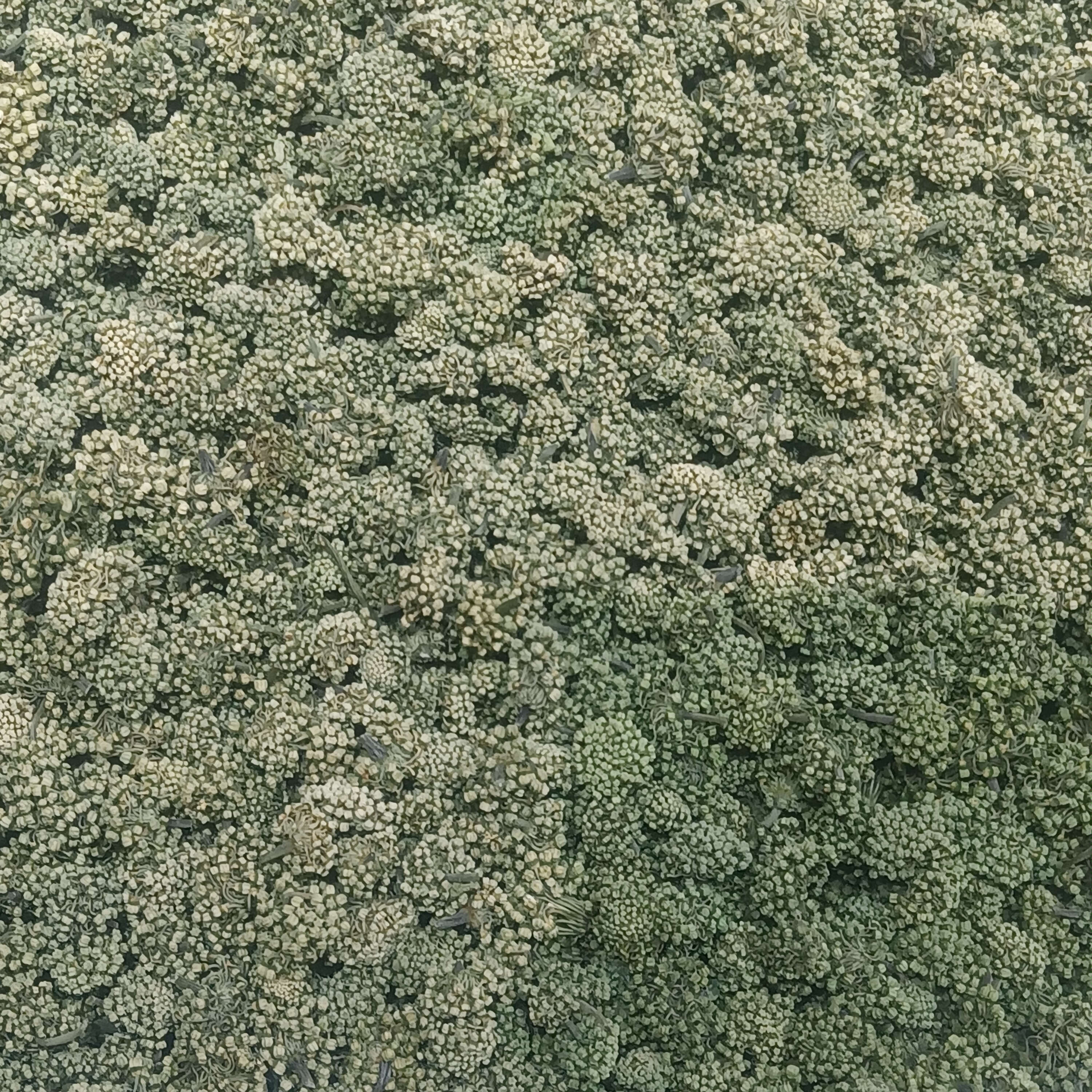
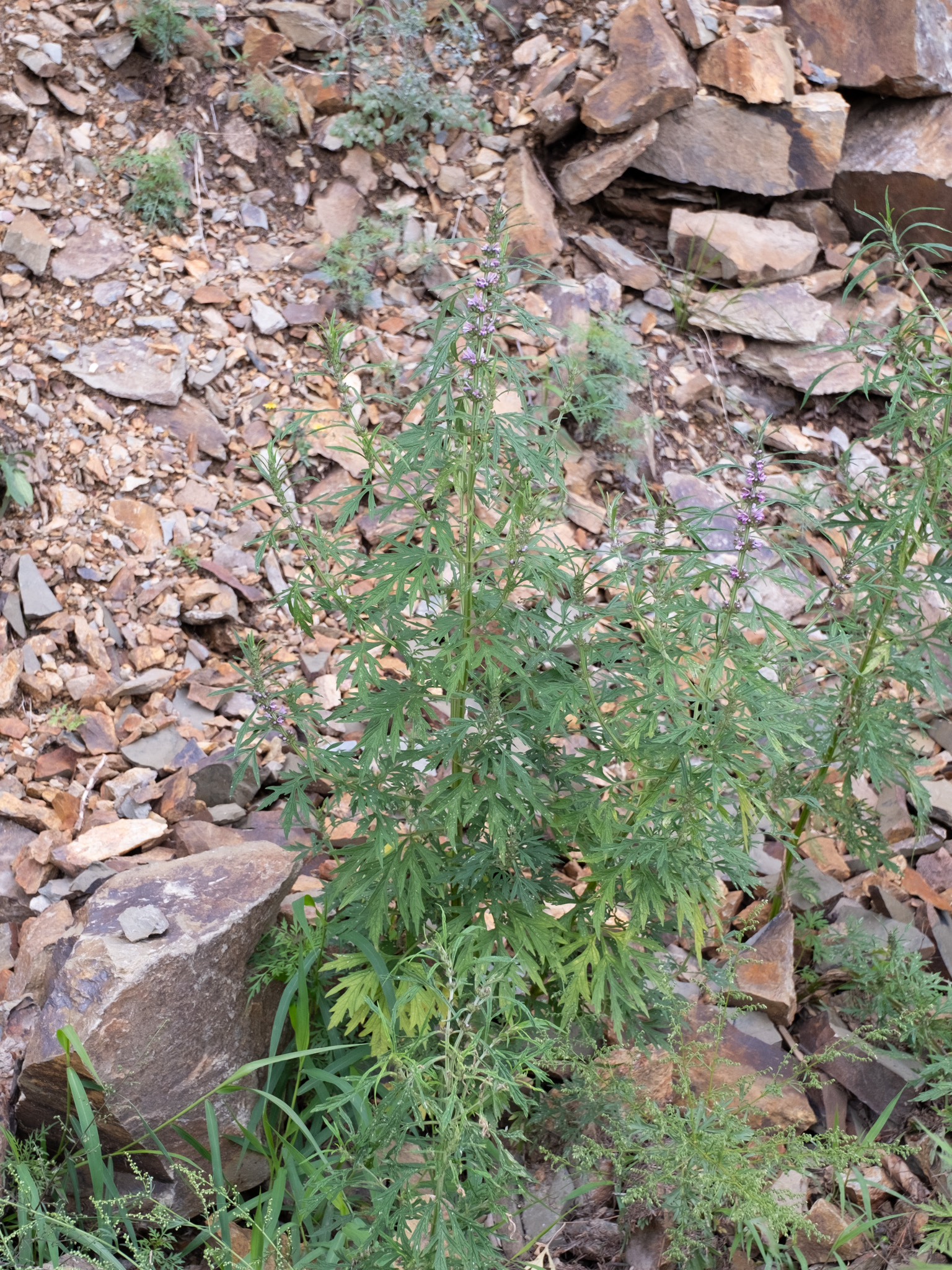
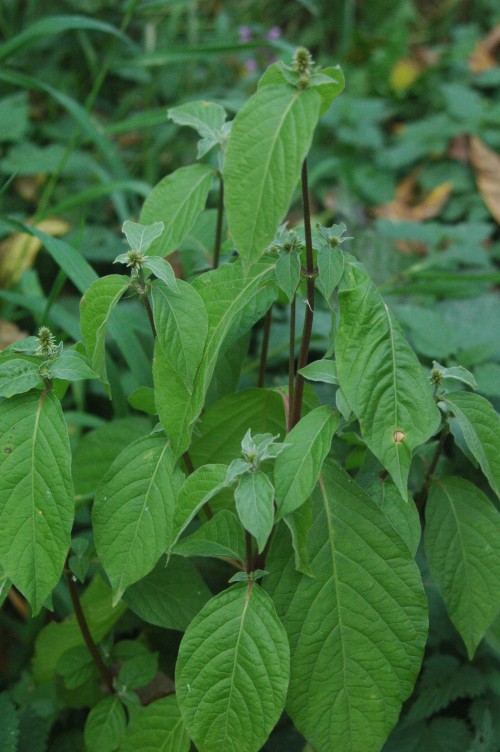
Safflower consists of slender orange-red flower tubes rather than whole flower heads, and the color fades with age, light, and adulteration, so appearance alone is insufficient for identification. Cheaper dyed materials and unrelated red flowers can be substituted, which makes the batch record and label more important than a picture.
Images are for orientation only, not definitive species authentication; confirm species, part, source, and labeling with a qualified professional or authoritative monograph.
TRADITIONAL CONTEXT
Traditional Use in Context
Traditional records discuss Safflower for blood movement, menstrual and injury-related historical descriptions, and circulation-focused combinations, and it is a standard ingredient in classical formulas for bruising, menstrual discomfort, and constrained blood. It often appears alongside Notoginseng, Peach Kernel, and Angelica in blood-moving and nourishing combinations. The menstrual and injury vocabulary is historical: it describes how the flowers were organized in pattern-based practice, and it does not establish the cause of a gynecological symptom or authorize self-treatment of bleeding or pain.
PROCESSING CONTEXT
Raw Material, Processing, and Product Form
Flowers are collected, dried, and stored away from light, and powders, tinctures, and extracts are also sold. The form and concentration should be recorded when evaluating interaction risk, because a tincture or extract is not the same exposure as a dried flower tea.
The same name can cover a raw material, decoction piece, powder, extract, or finished product, so record the labeled form rather than assuming it; see the safety review for the questions to ask.
SAFETY REVIEW
Safety Boundaries
The moving vocabulary is particularly unsuitable as a self-treatment instruction, and pregnancy, heavy or unexplained bleeding, recent surgery, anticoagulants, and allergy deserve professional review. Safflower belongs to the daisy family, so people with Asteraceae allergy should check the product before use, and this page is educational and is not a dose recommendation.
This record is not a dose recommendation; risk depends on identity, preparation, amount, duration, contamination, other medicines, and health conditions — a traditional or “natural” label cannot establish safety. For the full framework, read the Chinese Herbal Medicine Safety Review.
COMPARISON
How This Entry Differs
Compare Safflower with Notoginseng for the flower-based mover versus the root-based mover, and with Motherwort for the different traditional emphasis on the menstrual and postpartum records. Safflower is distinguished by its flower identity, its fading color, and its frequent pairing with injury-related vocabulary.
Use the related-entry links below to compare identity, part, processing, and safety boundaries — similar categories do not make materials interchangeable.
STUDY METHOD
New to these entries?
Read the four-step method in How to Read a Herb Entry before comparing materials.