Herb reference entry
Motherwort
Motherwort
Leonurus japonicus Houtt.
Reviewed by Kuda, September 2, 2026 - Editorial policy
OVERVIEW
What This Record Covers
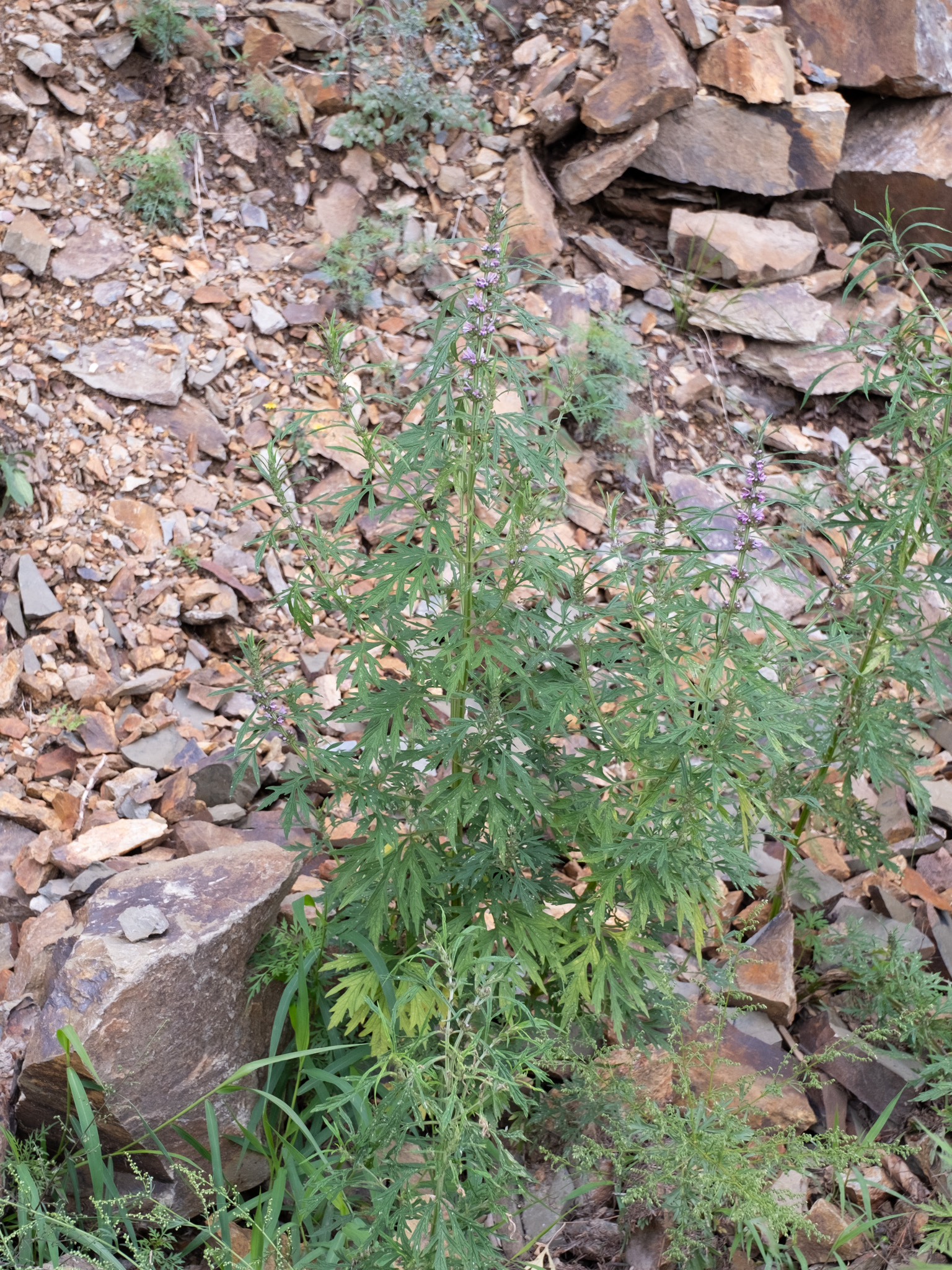
Motherwort is the dried aerial parts of Leonurus japonicus, an upright herb of the mint family (Lamiaceae) that grows in fields, roadsides, and disturbed ground across Asia. The medicinal material consists of the above-ground plant harvested around flowering, including the deeply lobed leaves and whorled pink flowers, and it is cut and dried for use. In trade it appears as cut dried herb, teas, concentrated liquids, and extracts, and the name “motherwort” refers to its traditional association with the menstrual and postpartum record. The above-ground herb, the seed, and unrelated Leonurus species should not be conflated, and the product label should state which part is present.
- English name
- Motherwort
- Latin name
- Leonurus japonicus Houtt.
- Traditional category
- Blood Activating
- Nature
- Slightly Cold
- Flavor description
- Bitter, Pungent
- Record identifier
- yimucao
IDENTIFICATION
Identification and Image Notes
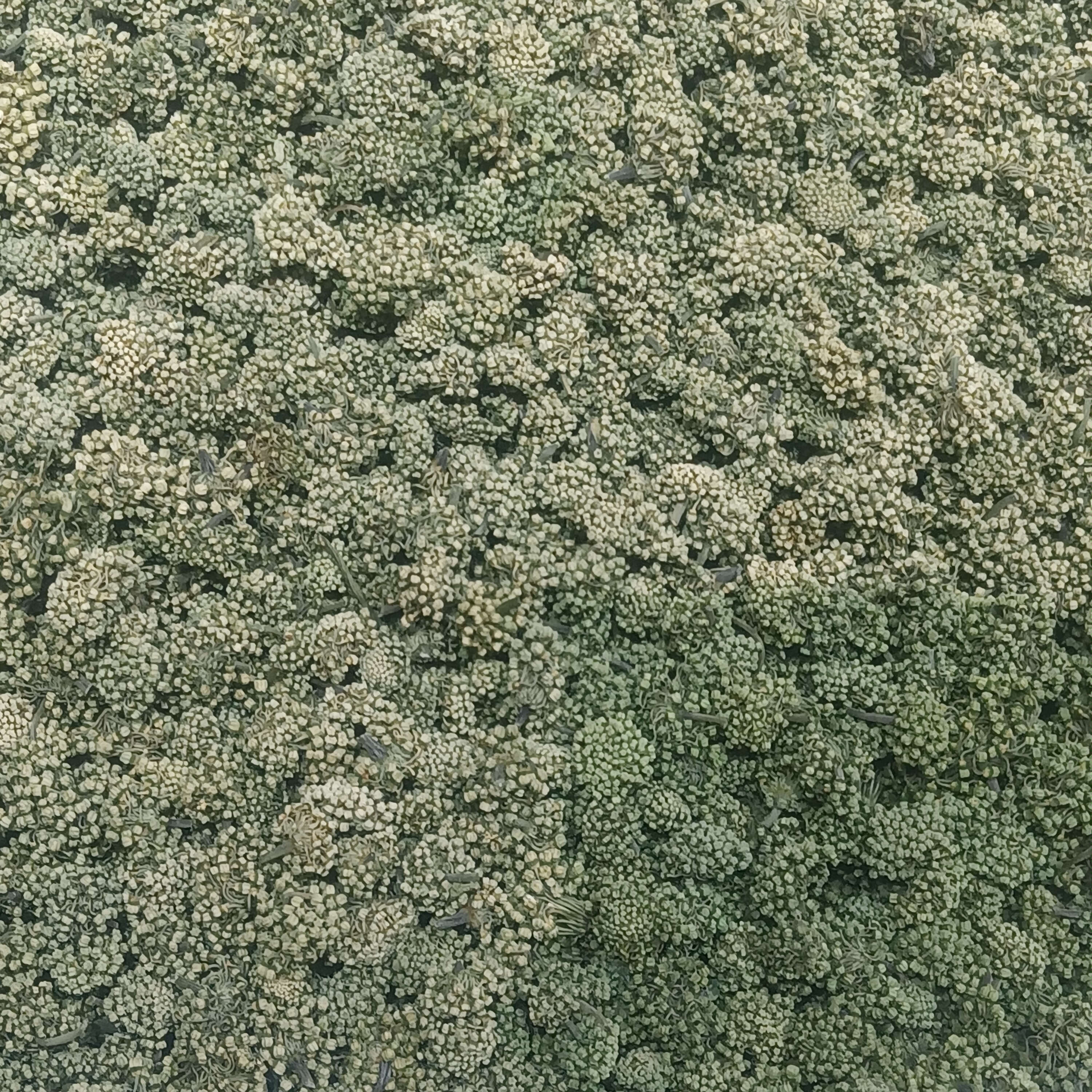
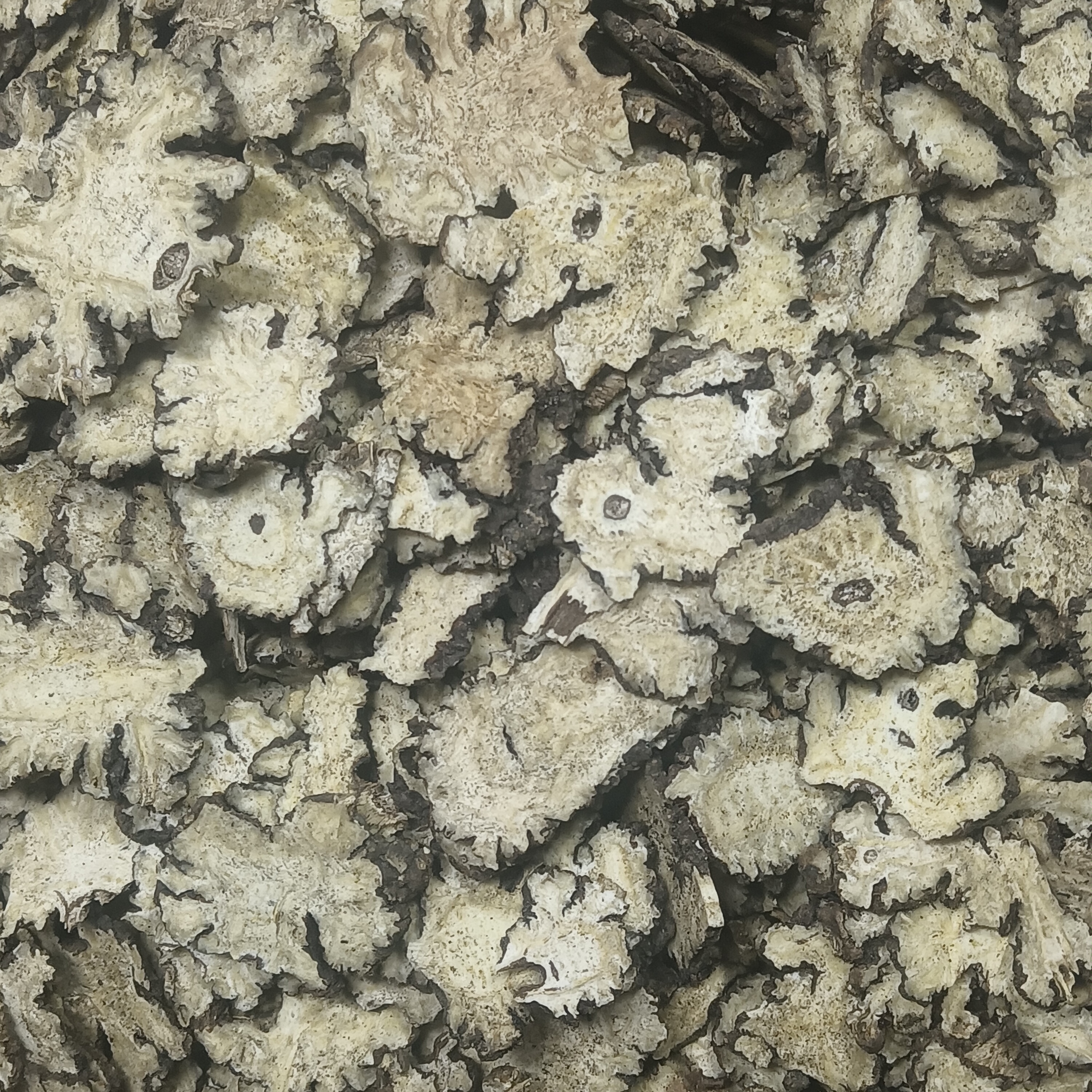
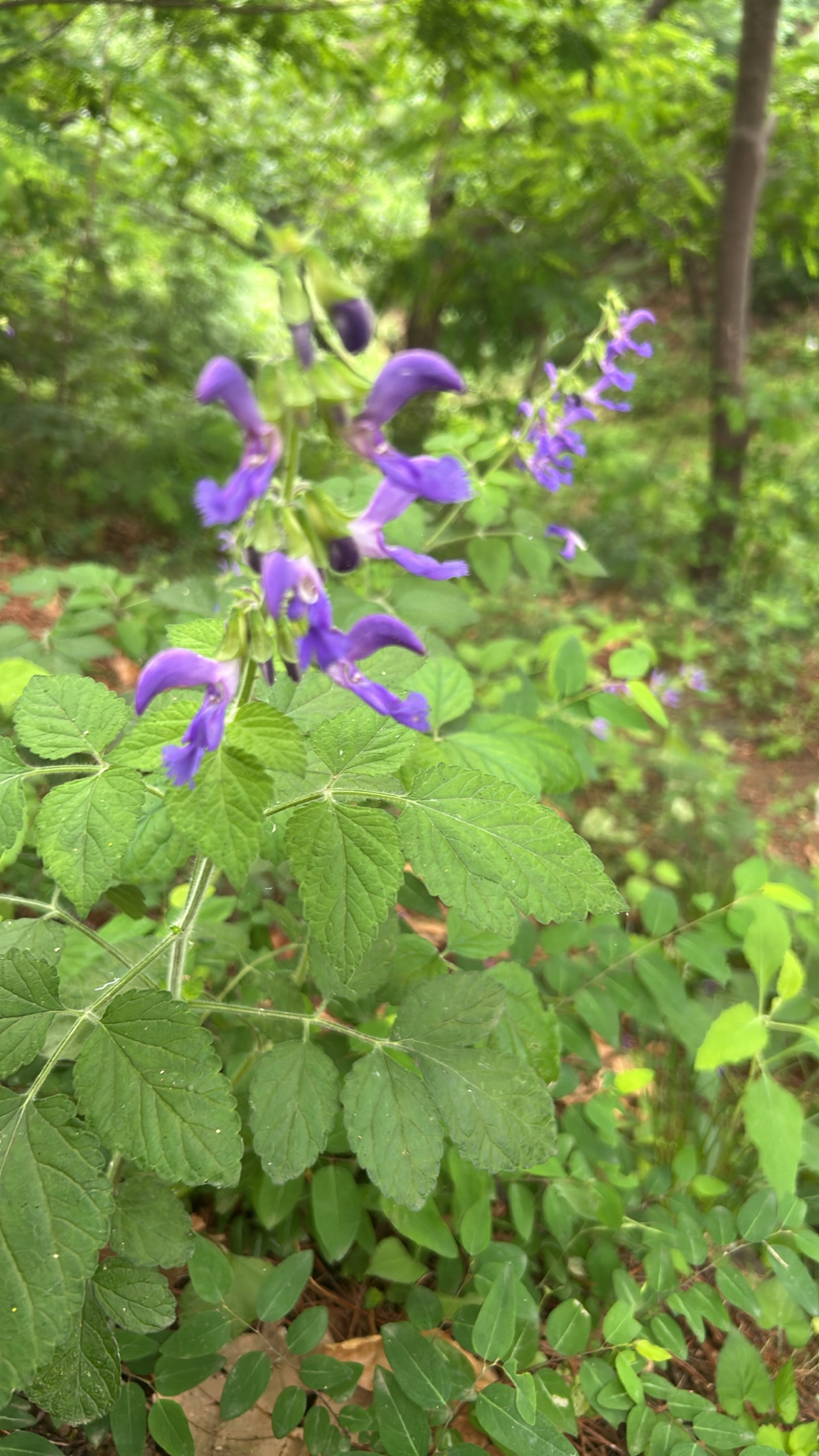
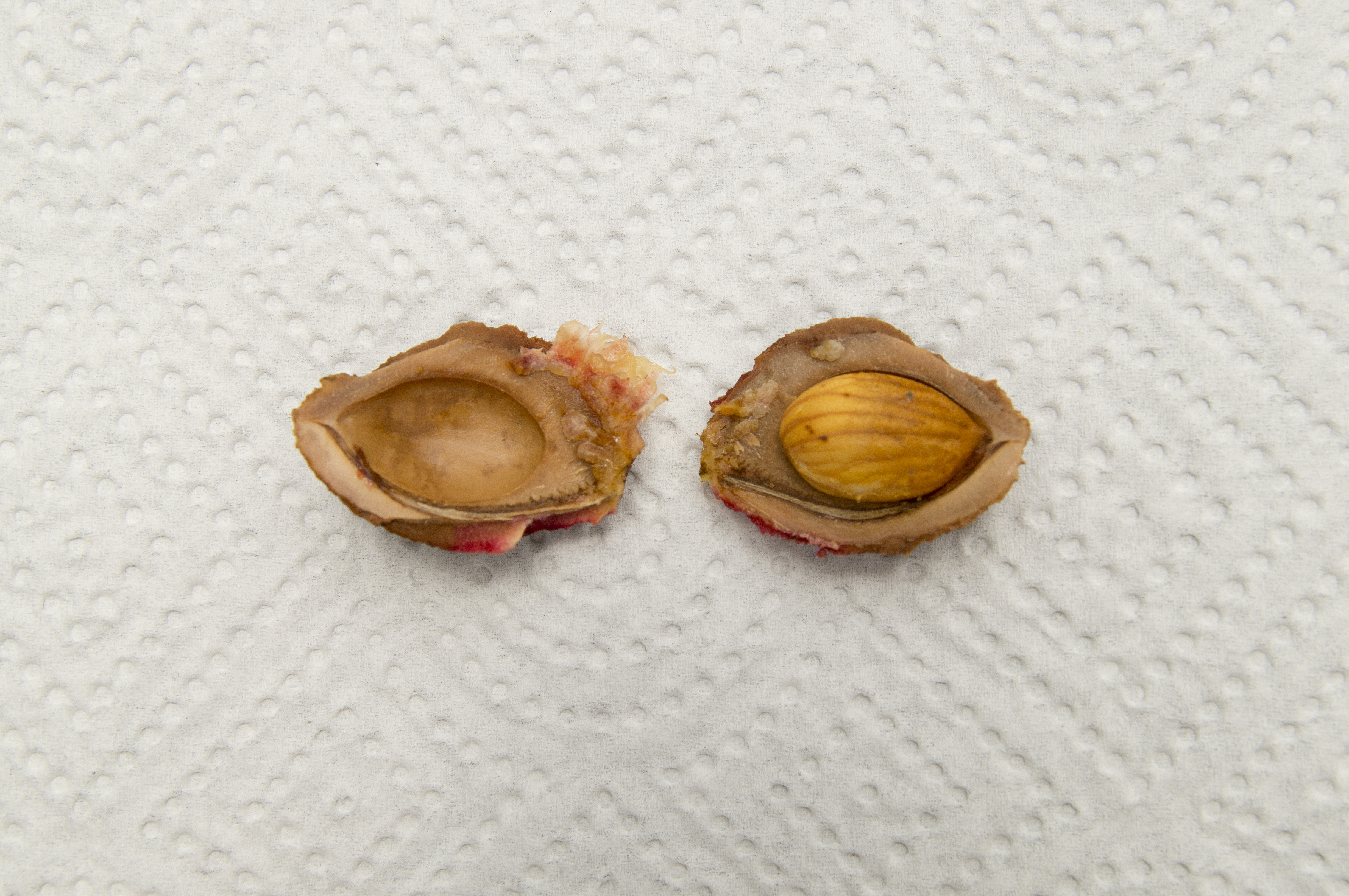
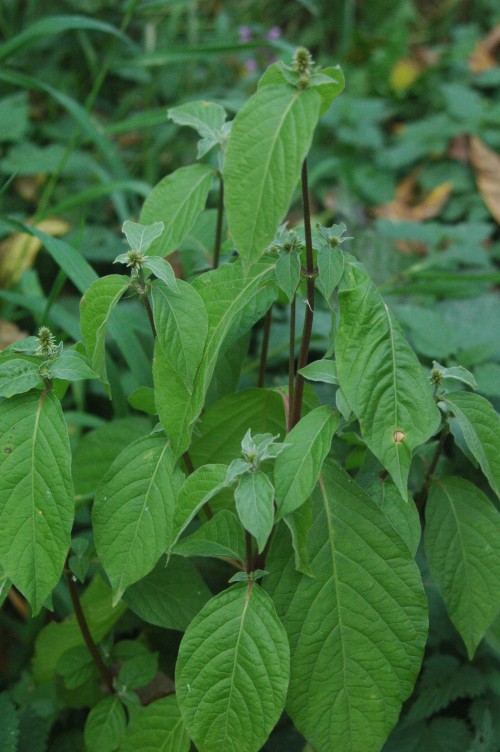
Motherwort is an aromatic herb with deeply lobed leaves and whorled pink flowers, and the above-ground herb, the seed, and unrelated Leonurus species should not be conflated. The dried herb is green-brown with deeply cut, palmate leaves and small dried flower whorls, and it has a faint mint-like smell. Leaf shape and stem squareness are useful orientation clues, but the harvested stage and the species still need a traceable label, and the seed is a separate medicinal material.
Images are for orientation only, not definitive species authentication; confirm species, part, source, and labeling with a qualified professional or authoritative monograph.
TRADITIONAL CONTEXT
Traditional Use in Context
Traditional records discuss Motherwort for menstrual and postpartum language, fluid movement, and heart-related traditional descriptions, and it appears in formulas aimed at the uterus and urinary tract in classical practice, such as Yi Mu Cao-based postpartum combinations. Classical texts describe it for postpartum blood stasis, menstrual irregularity, and edema-related presentations, always within a pattern-based framework. The menstrual and postpartum vocabulary is historical and does not establish efficacy for a modern gynecological condition, and it does not authorize self-treatment of bleeding, cramping, or any postpartum concern without professional care, since heavy bleeding or fever after childbirth is an emergency.
PROCESSING CONTEXT
Raw Material, Processing, and Product Form
The aerial parts are harvested during flowering, dried, and cut, and teas, concentrated liquids, and extracts may deliver a different exposure from the dried herb. Because the volatile and water-soluble fractions differ by form, the preparation should be stated on the product.
The same name can cover a raw material, decoction piece, powder, extract, or finished product, so record the labeled form rather than assuming it; see the safety review for the questions to ask.
SAFETY REVIEW
Safety Boundaries
Menstrual or postpartum wording requires professional context, not online self-treatment. Pregnancy, postpartum bleeding, heart rhythm, blood pressure, diuretics, and anticoagulants all deserve review, and heavy bleeding, severe pain, or a postpartum emergency requires immediate medical care.
This record is not a dose recommendation; risk depends on identity, preparation, amount, duration, contamination, other medicines, and health conditions — a traditional or “natural” label cannot establish safety. For the full framework, read the Chinese Herbal Medicine Safety Review.
COMPARISON
How This Entry Differs
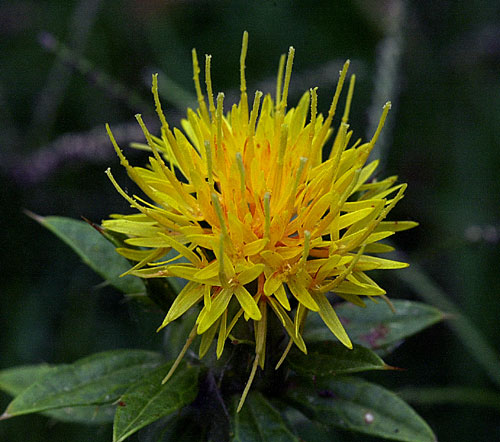
Compare Motherwort with Safflower for the aerial-part mover versus the flower mover, and with Achyranthes Root for the different downward-directed and lower-body language. Motherwort is distinguished by its whole-herb identity and its specific traditional association with the postpartum record.
Use the related-entry links below to compare identity, part, processing, and safety boundaries — similar categories do not make materials interchangeable.
STUDY METHOD
New to these entries?
Read the four-step method in How to Read a Herb Entry before comparing materials.