Herb reference entry
Salvia Root / Danshen
Salvia Root / Danshen
Salvia miltiorrhiza Bunge
Reviewed by Kuda, September 2, 2026 - Editorial policy
OVERVIEW
What This Record Covers
Salvia Root, known as Dan Shen, is the dried root and rhizome of Salvia miltiorrhiza, a perennial herb of the mint family (Lamiaceae) native to dry slopes and scrublands across central and northern China. The medicinal part is the red-brown root, harvested from older plants, cleaned, and dried for use as slices or powder. The material appears as root slices, granules, tinctures, and concentrated extracts standardized to tanshinone compounds, and it is among the most intensively studied roots in the materia medica. Because the root is red-brown and fibrous rather than leafy, it should not be confused with culinary sage leaves or with other Salvia species used as ornamentals.
- English name
- Salvia Root / Danshen
- Latin name
- Salvia miltiorrhiza Bunge
- Traditional category
- Blood Activating
- Nature
- Slightly Cold
- Flavor description
- Bitter
- Record identifier
- danshen
IDENTIFICATION
Identification and Image Notes
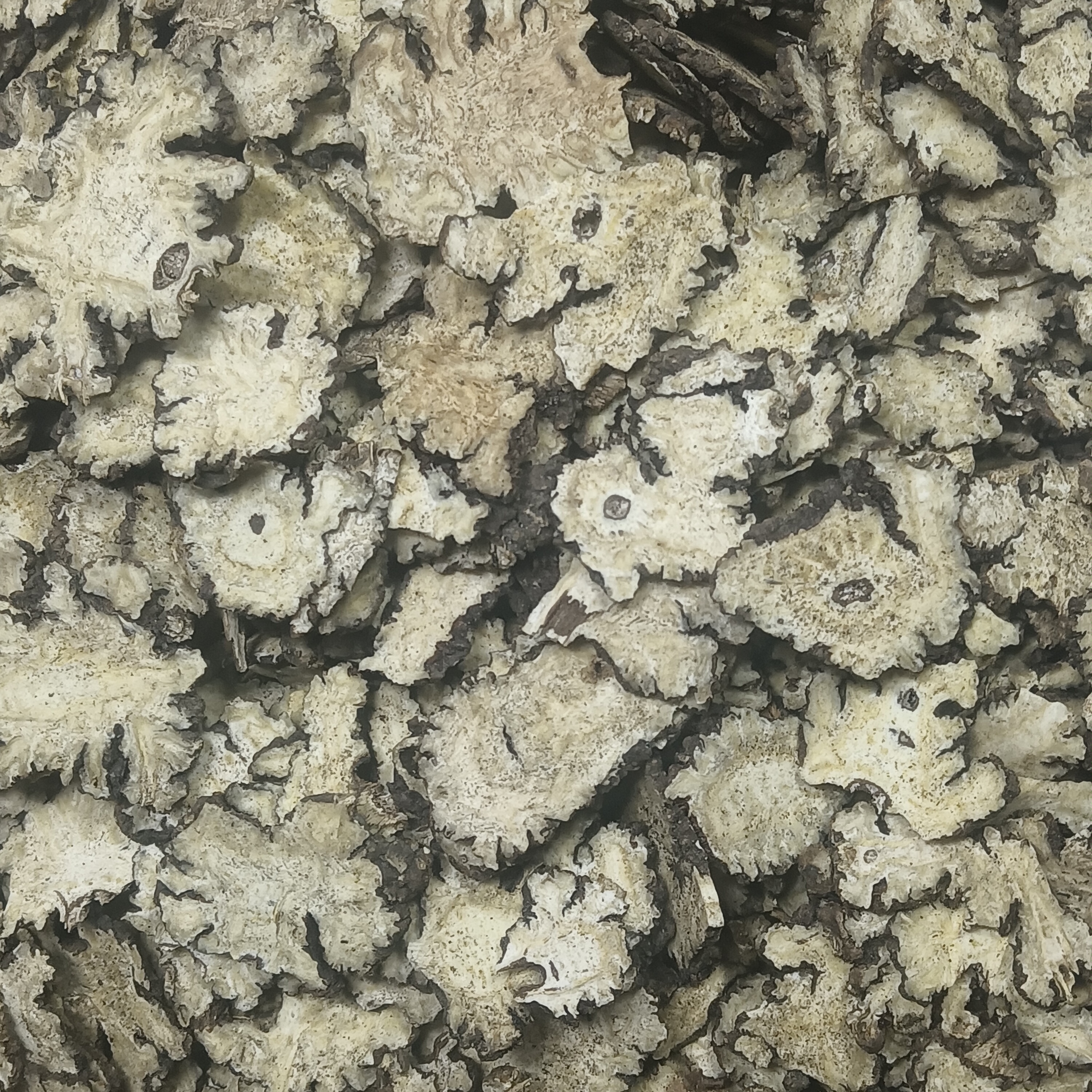
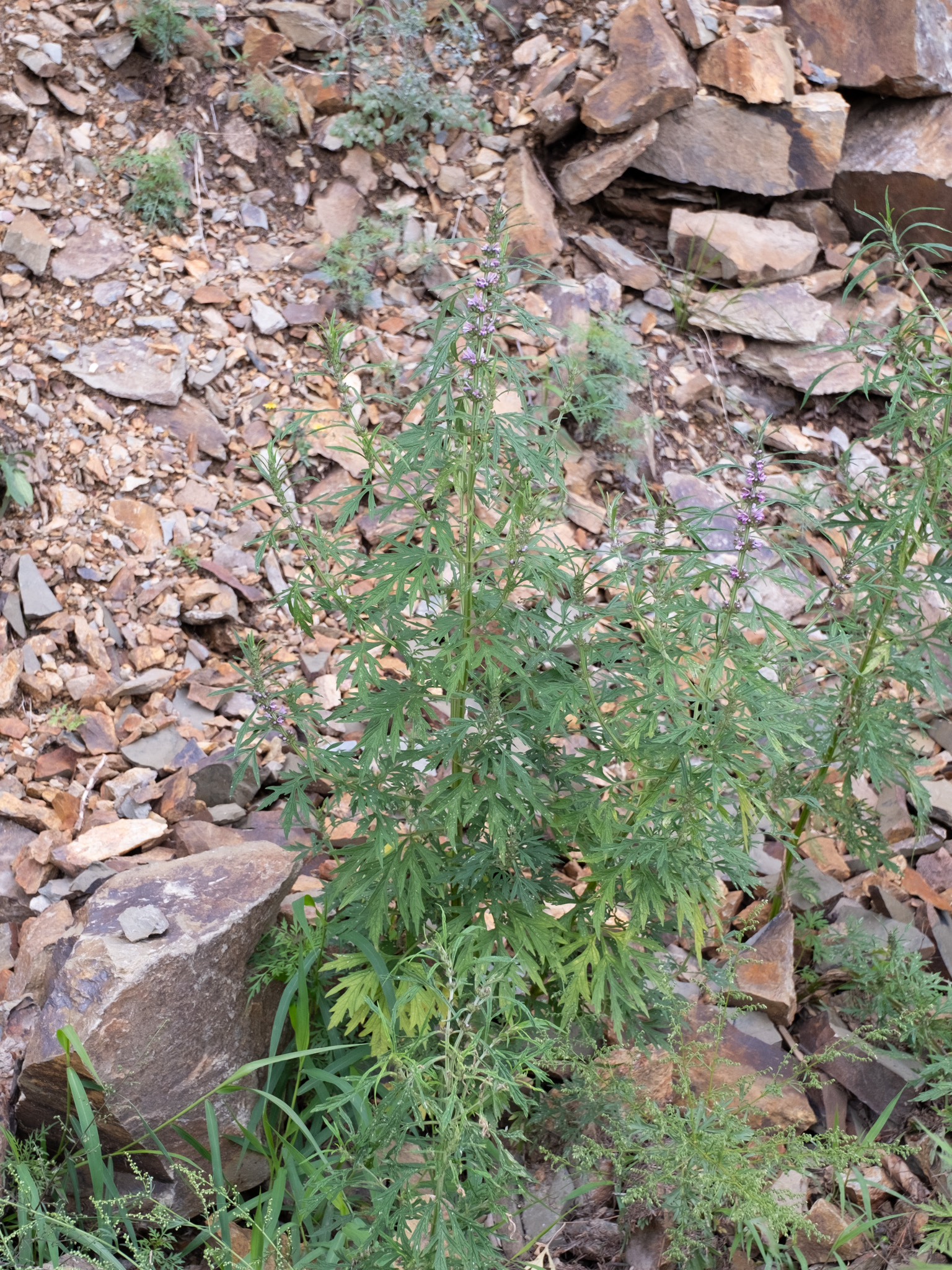
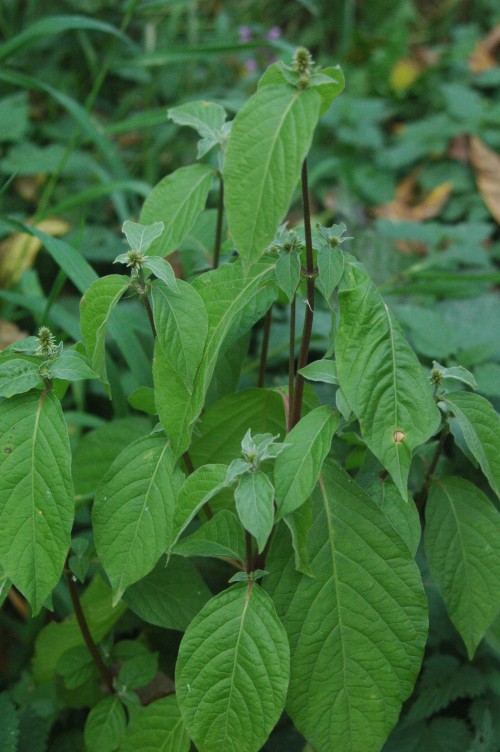
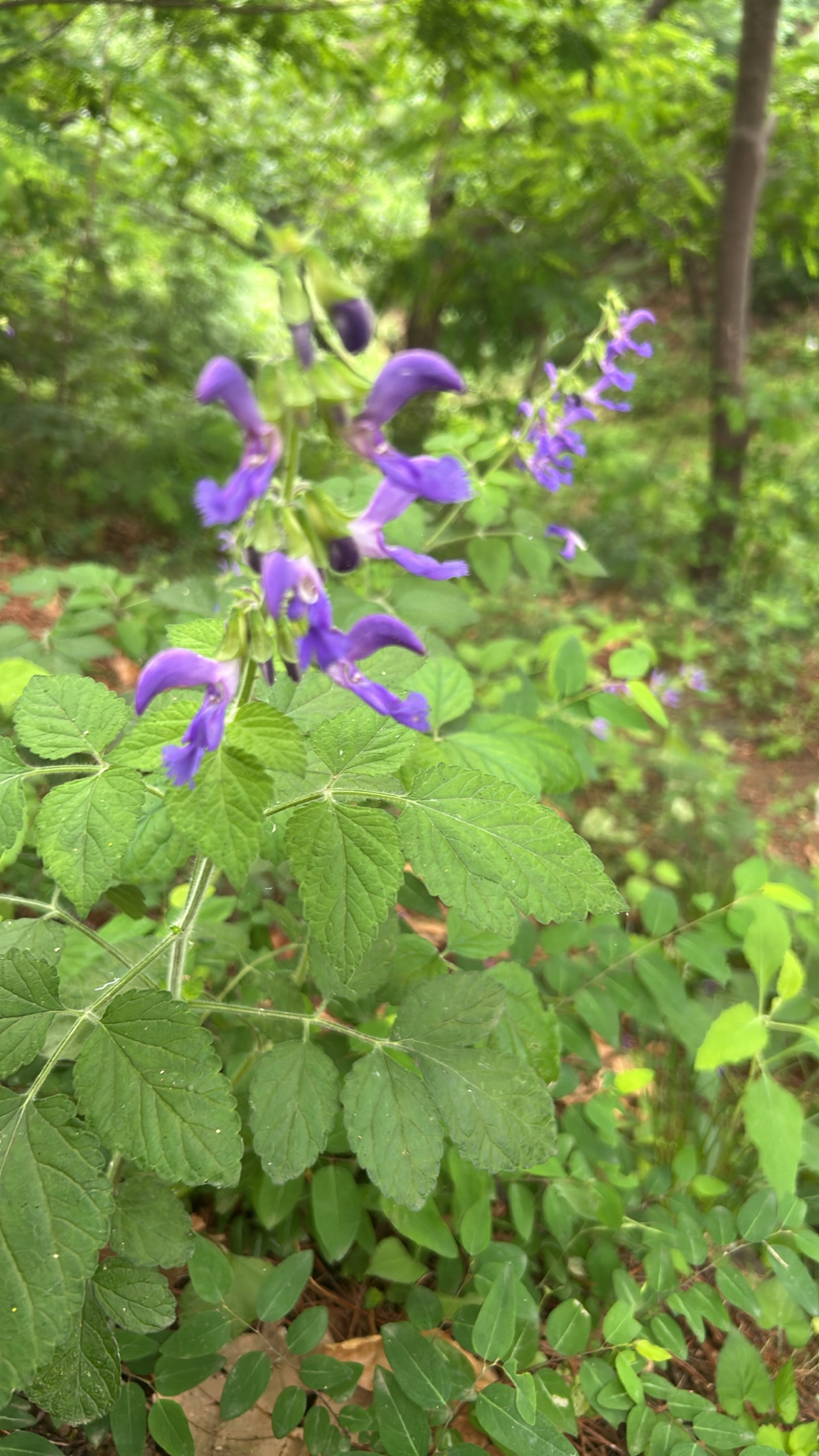
The root is red-brown outside with a reddish interior and a fibrous fracture, and the color can be confused with other reddish roots. It is not culinary sage or another Salvia species, so the Latin name and the difference between the root and leaf material should be confirmed on the label.
Images are for orientation only, not definitive species authentication; confirm species, part, source, and labeling with a qualified professional or authoritative monograph.
TRADITIONAL CONTEXT
Traditional Use in Context
Traditional records discuss Salvia for blood movement, chest and menstrual pain language, and calming or cooling combinations, and it is a frequent ingredient in formulas aimed at the chest, the heart region, and the menstrual cycle, where it is paired with Angelica and Sichuan Lovage in blood-moving combinations. Classical texts describe it for constrained blood, chest discomfort, and irritability, and it appears in combinations such as Dan Shen Yin with Sandalwood and Nutgrass Rhizome. The chest vocabulary is historical and does not establish efficacy for heart disease, and chest pain or shortness of breath in real life requires urgent cardiovascular assessment rather than a traditional label.
PROCESSING CONTEXT
Raw Material, Processing, and Product Form
Roots are washed, cut, and dried, and some products are wine-processed or made into concentrated extracts. Tanshinone-rich preparations and ordinary slices should be distinguished in a product record, because the concentration of active compounds changes the exposure and the interaction profile.
The same name can cover a raw material, decoction piece, powder, extract, or finished product, so record the labeled form rather than assuming it; see the safety review for the questions to ask.
SAFETY REVIEW
Safety Boundaries
Salvia has important potential interactions with anticoagulants, antiplatelet medicines, and other blood-thinning treatment, and it deserves review for surgery, pregnancy, and bleeding history. Chest-pain language in a traditional record should never delay emergency care for chest discomfort, fainting, or breathing difficulty, and this page is not a dose recommendation.
This record is not a dose recommendation; risk depends on identity, preparation, amount, duration, contamination, other medicines, and health conditions — a traditional or “natural” label cannot establish safety. For the full framework, read the Chinese Herbal Medicine Safety Review.
COMPARISON
How This Entry Differs
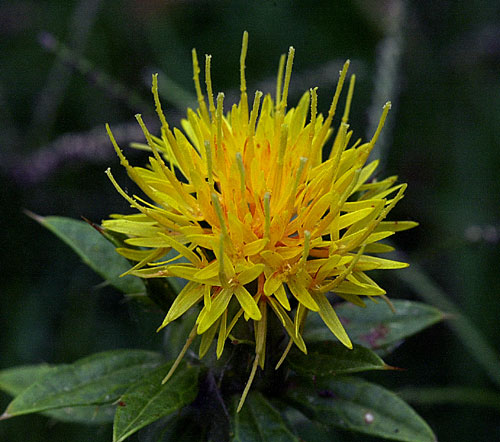
Compare Salvia Root with Notoginseng for the blood-moving root pair, with Safflower for the flower-based mover, and with White Peony for the nourishing end of the blood vocabulary. Salvia is distinguished by its cooling tone, its chest-oriented history, and the strongest medication-interaction literature of the group. Its red-brown root and the standardized extracts sold internationally are part of why it is studied more than most entries in this library.
Use the related-entry links below to compare identity, part, processing, and safety boundaries — similar categories do not make materials interchangeable.
STUDY METHOD
New to these entries?
Read the four-step method in How to Read a Herb Entry before comparing materials.