Herb reference entry
Achyranthes Root / Ox Knee
Achyranthes Root / Ox Knee
Achyranthes bidentata Blume
Reviewed by Kuda, September 2, 2026 - Editorial policy
OVERVIEW
What This Record Covers
Achyranthes Root, traditionally called Ox Knee, is the dried root of Achyranthes bidentata, a perennial herb of the amaranth family (Amaranthaceae) that grows in fields and moist slopes across Asia. The medicinal part is the slender, cylindrical root, harvested, cleaned, and dried for use as slices. The material appears as root slices, powders, and combined formulas, and it is a common ingredient in formulas aimed at the lower back, knees, and lower body. The similar Cyathula root is also traded under related names, so the species and the medicinal part should be confirmed on any traceable product.
- English name
- Achyranthes Root / Ox Knee
- Latin name
- Achyranthes bidentata Blume
- Traditional category
- Blood Activating
- Nature
- Neutral
- Flavor description
- Bitter, Sweet, Sour
- Record identifier
- niuxi
IDENTIFICATION
Identification and Image Notes
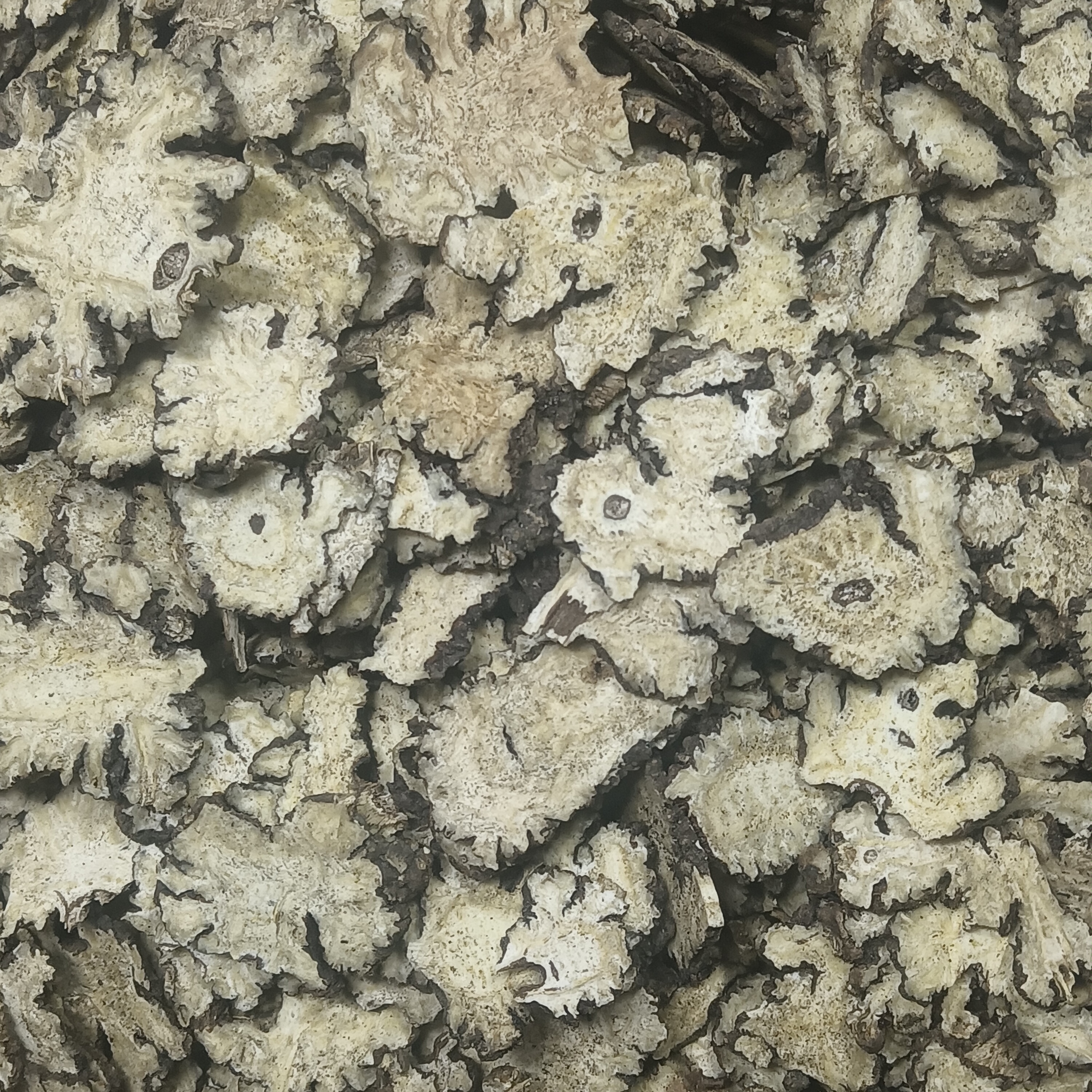
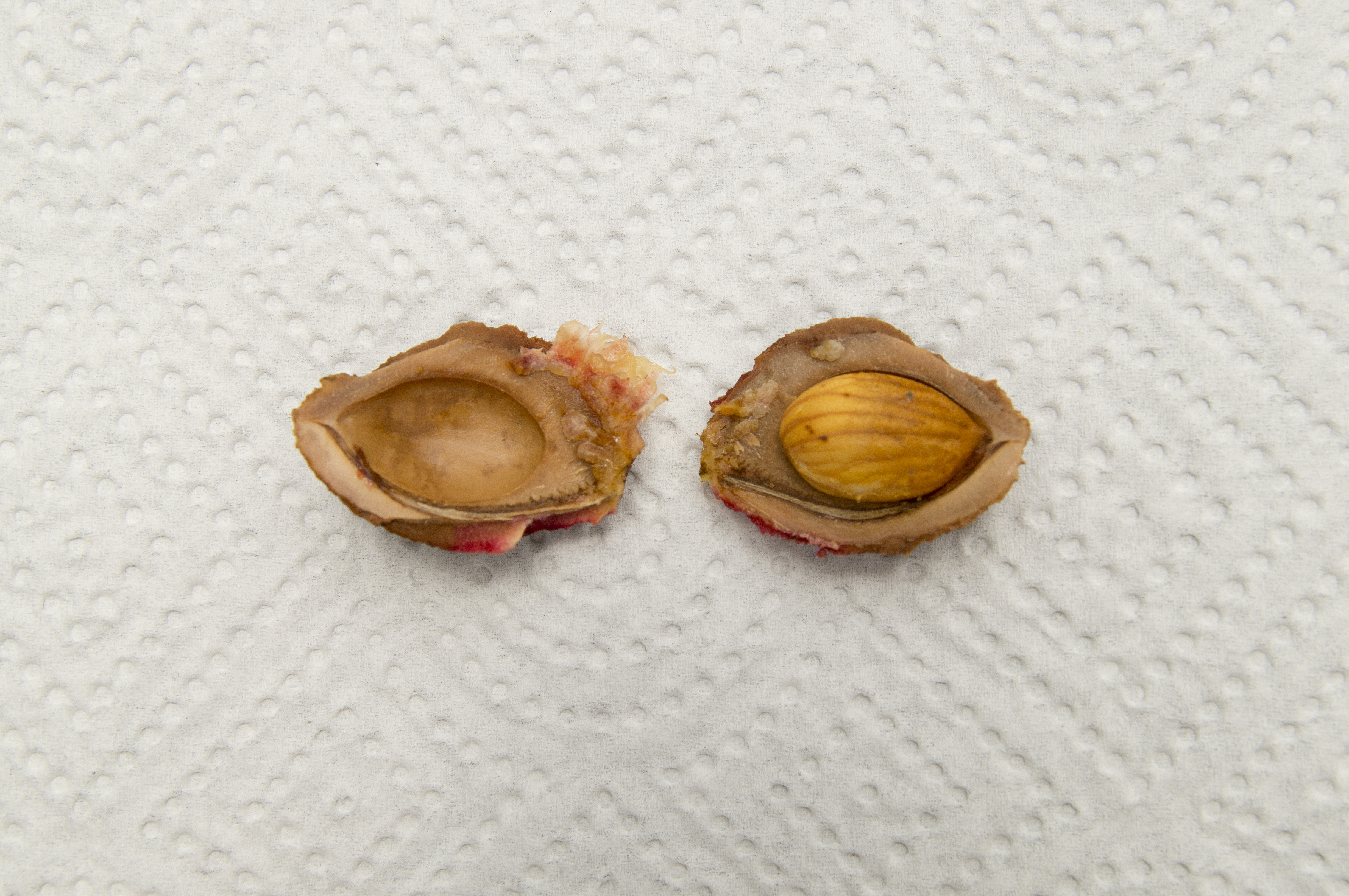
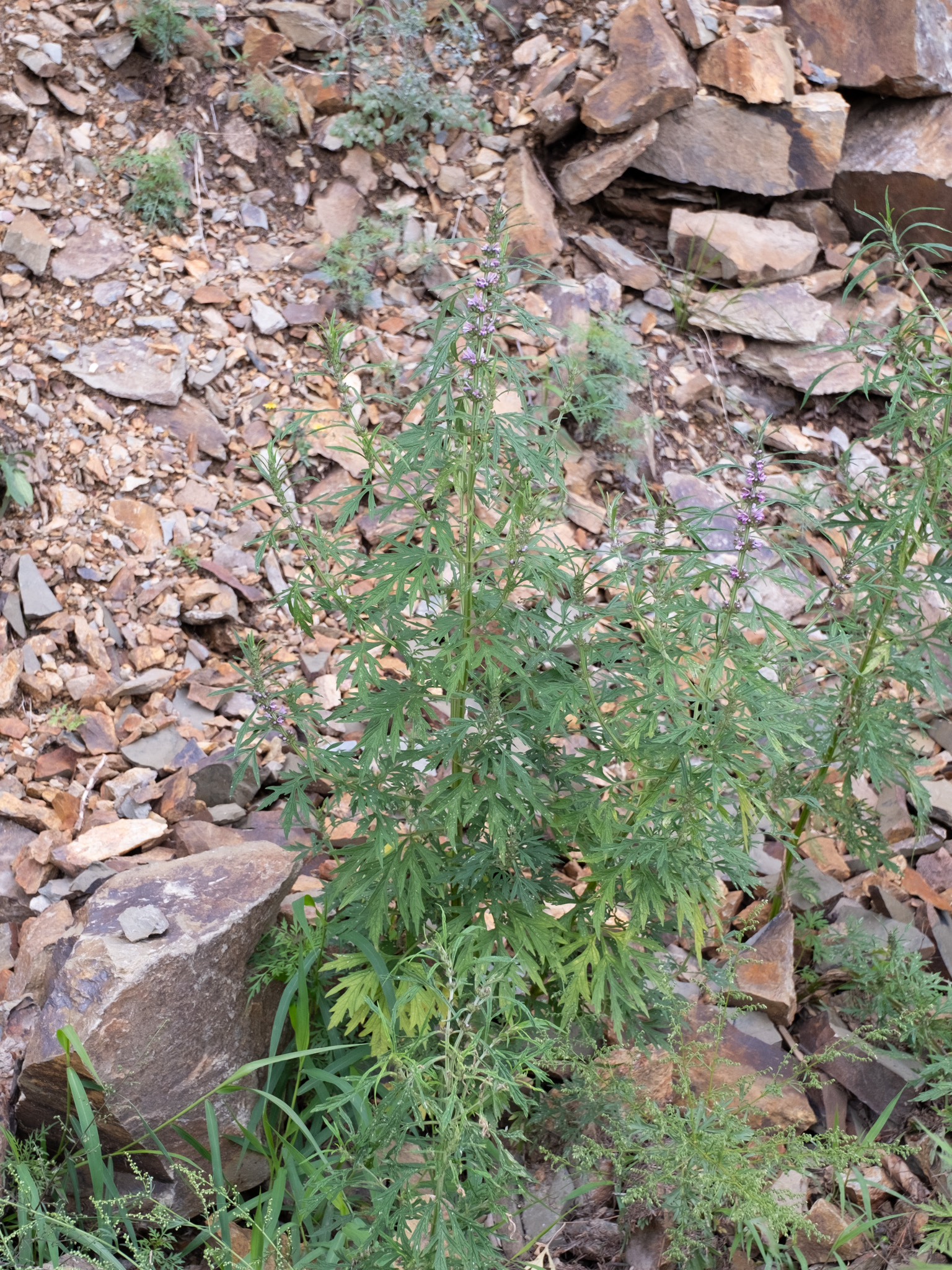
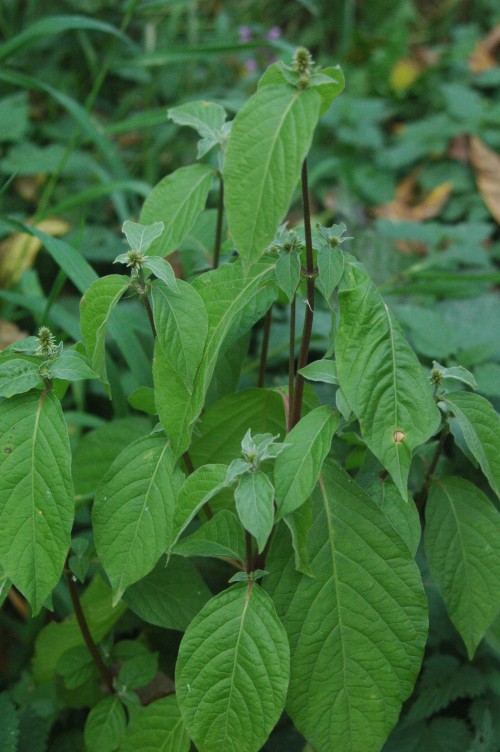
The root is slender, cylindrical, and yellow-brown with a fibrous fracture, and Achyranthes sources and the similar Cyathula material should be distinguished in trade. The dried root is thin and wiry, with a gray-yellow surface, fine longitudinal wrinkles, and a tough, fibrous break. Root age and the slice form are useful details, but the species statement on the label is the reliable identity record, and salt-processed slices should be recorded separately.
Images are for orientation only, not definitive species authentication; confirm species, part, source, and labeling with a qualified professional or authoritative monograph.
TRADITIONAL CONTEXT
Traditional Use in Context
Traditional records discuss Achyranthes for blood movement, lower-body and knee language, a downward traditional direction, and liver-kidney support, and it appears in formulas for lower-back weakness, knee pain, and constrained blood in the lower body, such as Du Huo Ji Sheng Tang with Eucommia Bark and Himalayan Teasel, and in menstrual formulas with Angelica and Safflower. Classical texts describe it for directing movement downward and supporting the knees and lower back, always within a pattern-based framework. The downward and knee vocabulary is historical and does not establish the cause of back or joint pain, and persistent weakness, numbness, or swelling requires clinical assessment rather than a traditional label.
PROCESSING CONTEXT
Raw Material, Processing, and Product Form
Raw slices and salt-processed slices are described separately in the literature, and the salt-processing statement and medicinal part should remain with the source and batch information. Powders and extracts should list their own concentration details.
The same name can cover a raw material, decoction piece, powder, extract, or finished product, so record the labeled form rather than assuming it; see the safety review for the questions to ask.
SAFETY REVIEW
Safety Boundaries
A downward traditional direction is not an instruction for a symptom. Pregnancy, heavy bleeding, recent surgery, anticoagulants, and lower-limb swelling that needs assessment all deserve professional review, and sudden swelling, redness, or pain in a leg should be evaluated for urgent vascular causes.
This record is not a dose recommendation; risk depends on identity, preparation, amount, duration, contamination, other medicines, and health conditions — a traditional or “natural” label cannot establish safety. For the full framework, read the Chinese Herbal Medicine Safety Review.
COMPARISON
How This Entry Differs
Compare Achyranthes Root with Eucommia Bark for the root-versus-bark pair in lower-back formulas, and with Motherwort for the different movement vocabulary. Achyranthes is distinguished by its downward direction and its pairing of blood movement with knee and lower-body language. The root is one of the few blood-moving records whose traditional direction is explicitly downward rather than outward. The name ox knee points to the joint-related history, but the root itself is a slender, wiry material with no resemblance to a knee.
Use the related-entry links below to compare identity, part, processing, and safety boundaries — similar categories do not make materials interchangeable.
STUDY METHOD
New to these entries?
Read the four-step method in How to Read a Herb Entry before comparing materials.