Herb reference entry
Peach Seed / Peach Kernel
Peach Seed / Peach Kernel
Prunus persica (L.) Batsch
Reviewed by Kuda, September 2, 2026 - Editorial policy
OVERVIEW
What This Record Covers
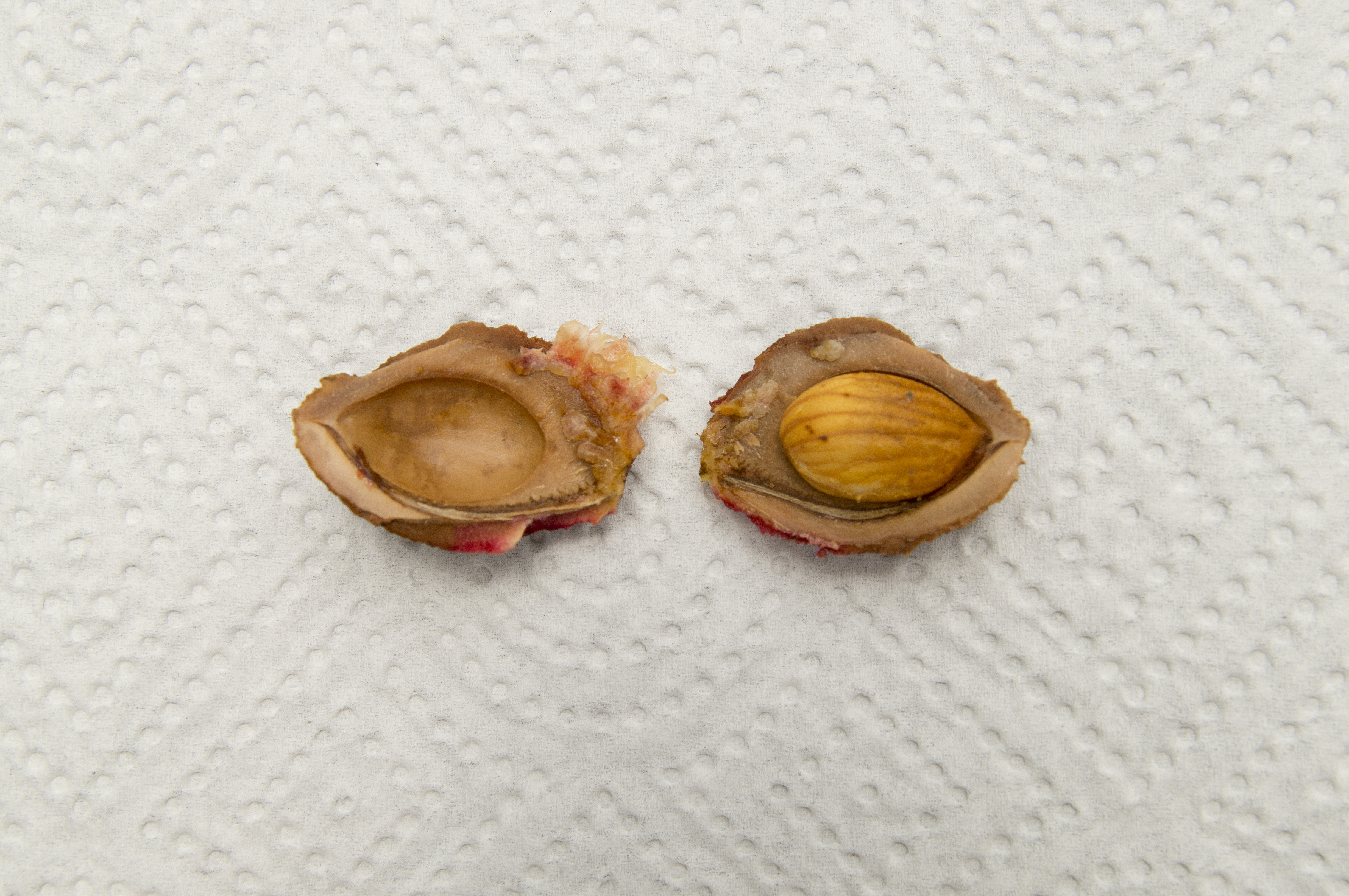
Peach Kernel is the dried seed kernel of Prunus persica and accepted related peach sources, a fruit tree of the rose family (Rosaceae) cultivated worldwide. The medicinal material is the flat, elongated kernel removed from the hard pit, which is brown outside and pale inside, and the kernels are cleaned, dried, and often crushed before use. In trade it appears as whole kernels, crushed pieces, powders, and combined formulas, and it is a standard ingredient in blood-stasis and bowel-moving combinations. Because bitter and sweet apricot kernels and other Prunus kernels look similar, the species, the seed coat, and the presence of any bitter taste must be confirmed with the label.
- English name
- Peach Seed / Peach Kernel
- Latin name
- Prunus persica (L.) Batsch
- Traditional category
- Blood Activating
- Nature
- Neutral
- Flavor description
- Bitter, Sweet
- Record identifier
- taoren
IDENTIFICATION
Identification and Image Notes
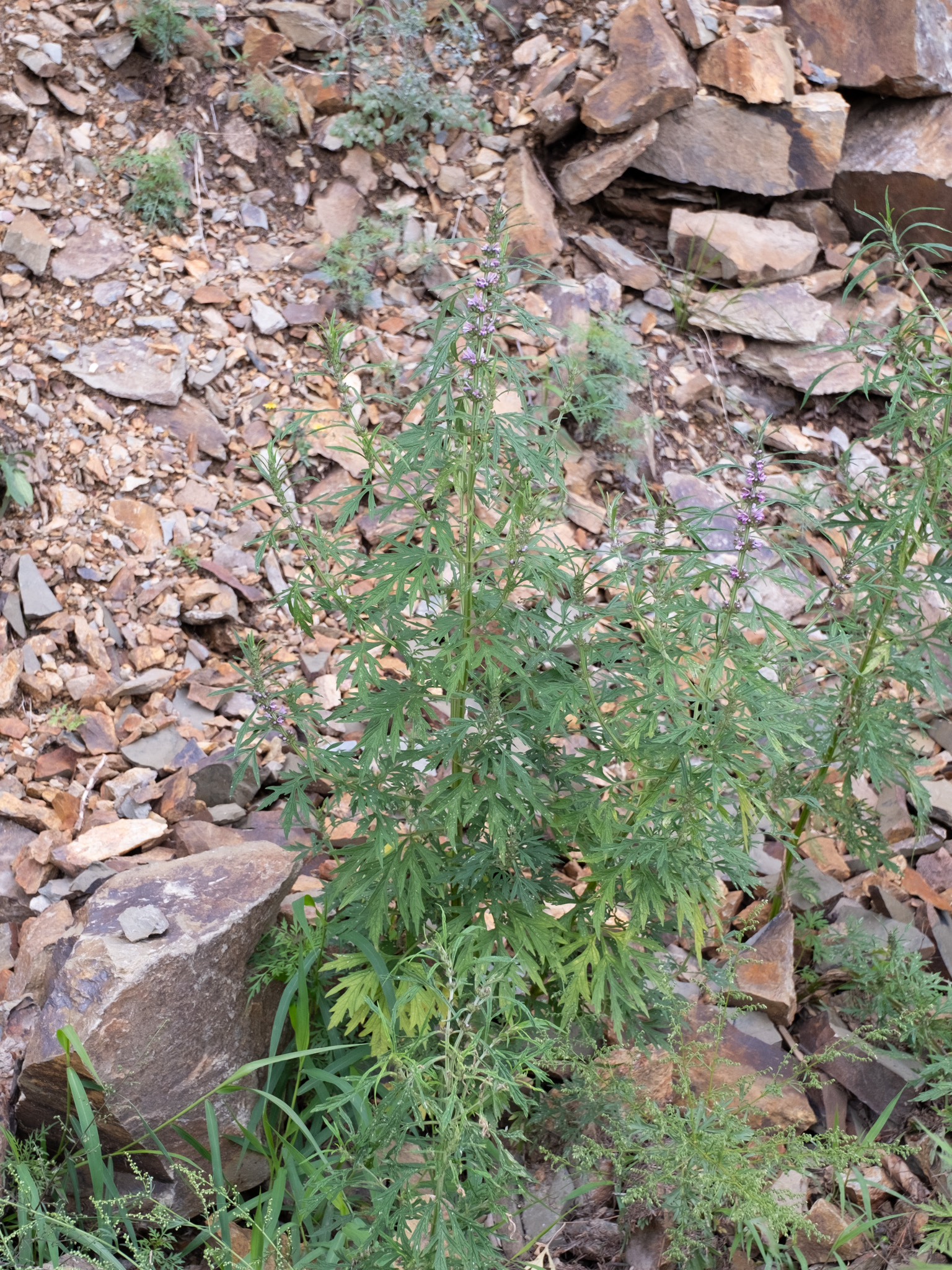
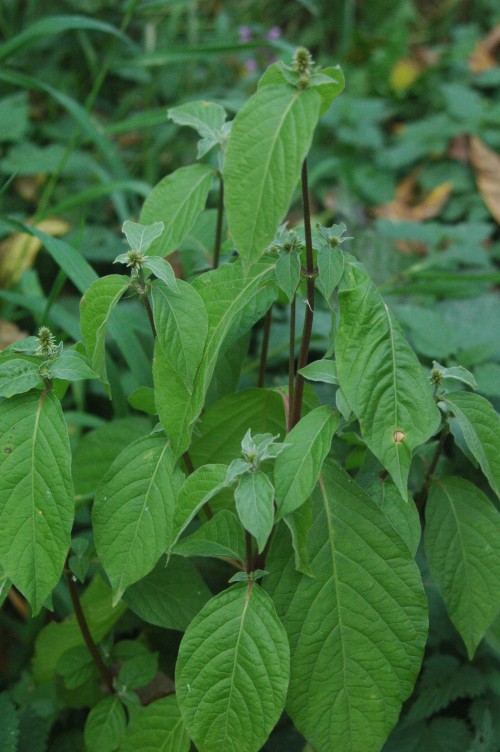
Peach kernels are flat, elongated, and brown with a pale interior, and bitter and sweet kernel types, the peach species, and the presence of the seed coat affect the record. The material can be confused with apricot kernels and other Prunus seeds, so the species statement on the label is the identity record.
Images are for orientation only, not definitive species authentication; confirm species, part, source, and labeling with a qualified professional or authoritative monograph.
TRADITIONAL CONTEXT
Traditional Use in Context
Traditional records discuss Peach Kernel for blood stasis, constipation, menstrual and injury-related historical language, and it is a classic ingredient in formulas such as Tao Hong Si Wu Tang (with Safflower) for menstrual and blood-moving contexts, and in bowel-moving combinations that moisten dry stools. Classical texts describe it for menstrual pain, bruising, and dry stools, always within a pattern-based framework. The historical language does not establish efficacy for constipation or gynecological disease, and persistent abdominal pain, bleeding, or a change in bowel habit requires clinical assessment rather than self-treatment, and the kernel should not be treated as a laxative for home use.
PROCESSING CONTEXT
Raw Material, Processing, and Product Form
Kernels may be cleaned, crushed, or stir-fried, but the raw seed and the processed product remain distinct forms. Oils, extracts, and food products containing peach kernel require separate exposure and cyanogenic-compound review, because the kernels carry naturally occurring glycosides that matter at high intake.
The same name can cover a raw material, decoction piece, powder, extract, or finished product, so record the labeled form rather than assuming it; see the safety review for the questions to ask.
SAFETY REVIEW
Safety Boundaries
Do not treat the laxative or blood-moving language as a dose cue. Pregnancy, active bleeding, recent surgery, allergies, and the possibility of confusion with other Prunus kernels all deserve professional review, and excessive intake of bitter kernels should be avoided because of cyanogenic compounds.
This record is not a dose recommendation; risk depends on identity, preparation, amount, duration, contamination, other medicines, and health conditions — a traditional or “natural” label cannot establish safety. For the full framework, read the Chinese Herbal Medicine Safety Review.
COMPARISON
How This Entry Differs
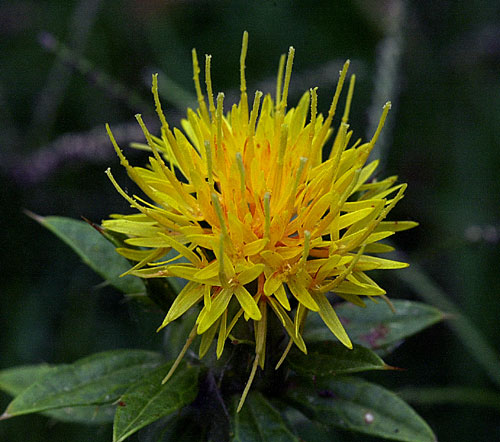
Compare Peach Kernel with Safflower for the seed-versus-flower pair in blood-stasis formulas, and with Rhubarb Root for the different bowel-moving end of the spectrum. Peach Kernel is the seed-based mover with a food-adjacent identity, which makes its toxicity and allergy questions distinct from the other two. As the kernel of a familiar fruit tree, it also raises the species and seed-type questions that pure root materials do not.
Use the related-entry links below to compare identity, part, processing, and safety boundaries — similar categories do not make materials interchangeable.
STUDY METHOD
New to these entries?
Read the four-step method in How to Read a Herb Entry before comparing materials.