Herb reference entry
Spatholobus Stem / Suberect Spatholobus
Spatholobus Stem / Suberect Spatholobus
Spatholobus suberectus Dunn
Reviewed by Kuda, September 2, 2026 - Editorial policy
OVERVIEW
What This Record Covers
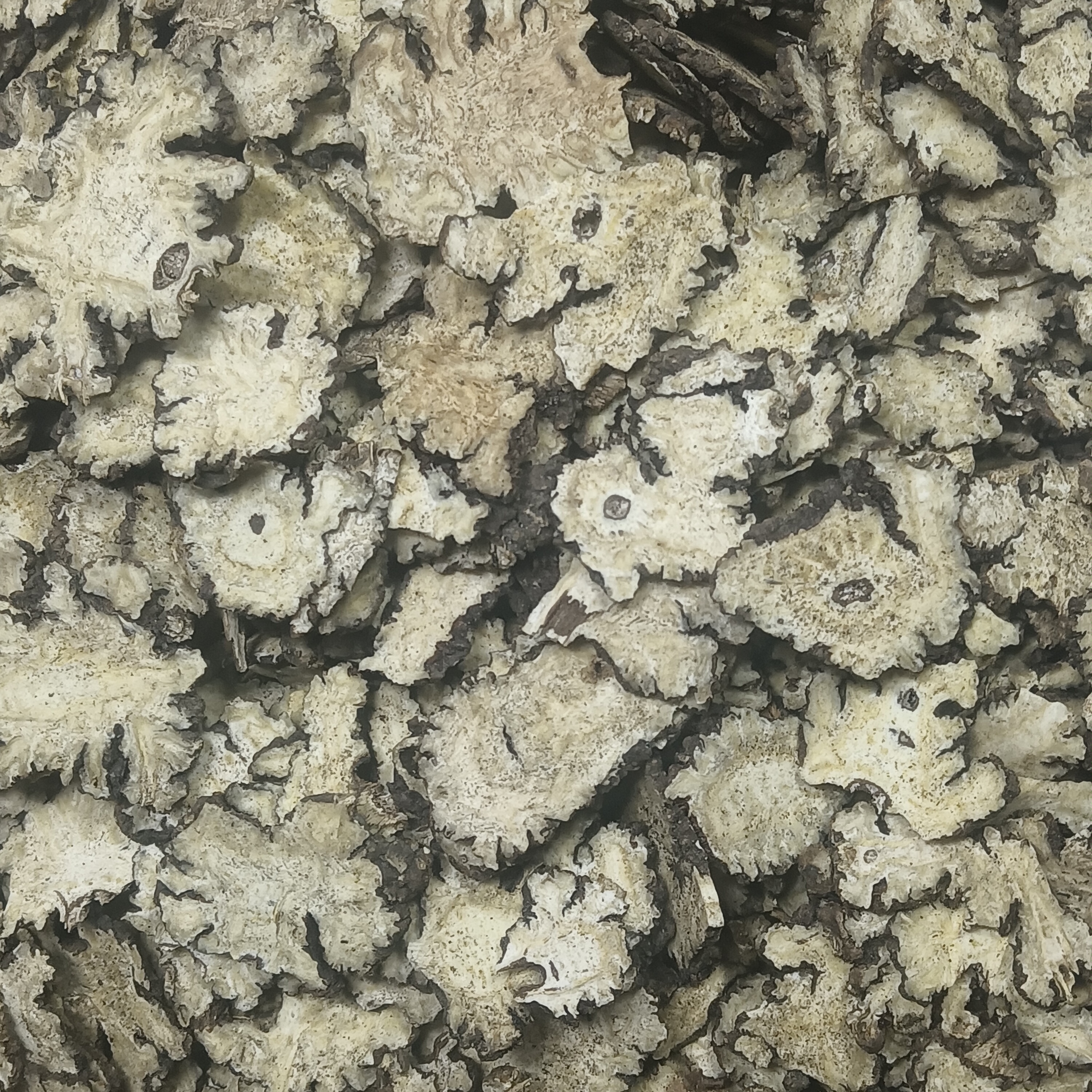
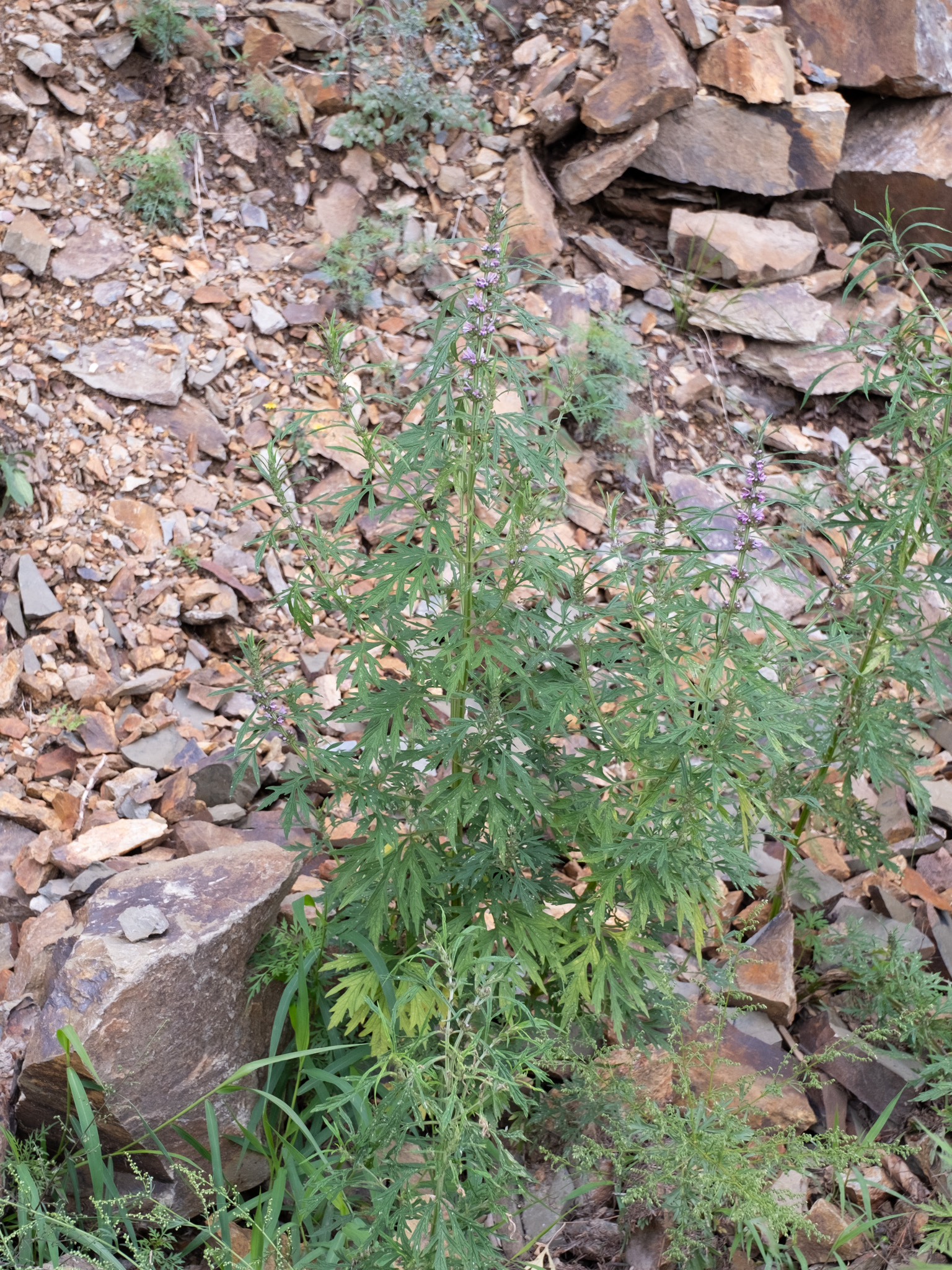
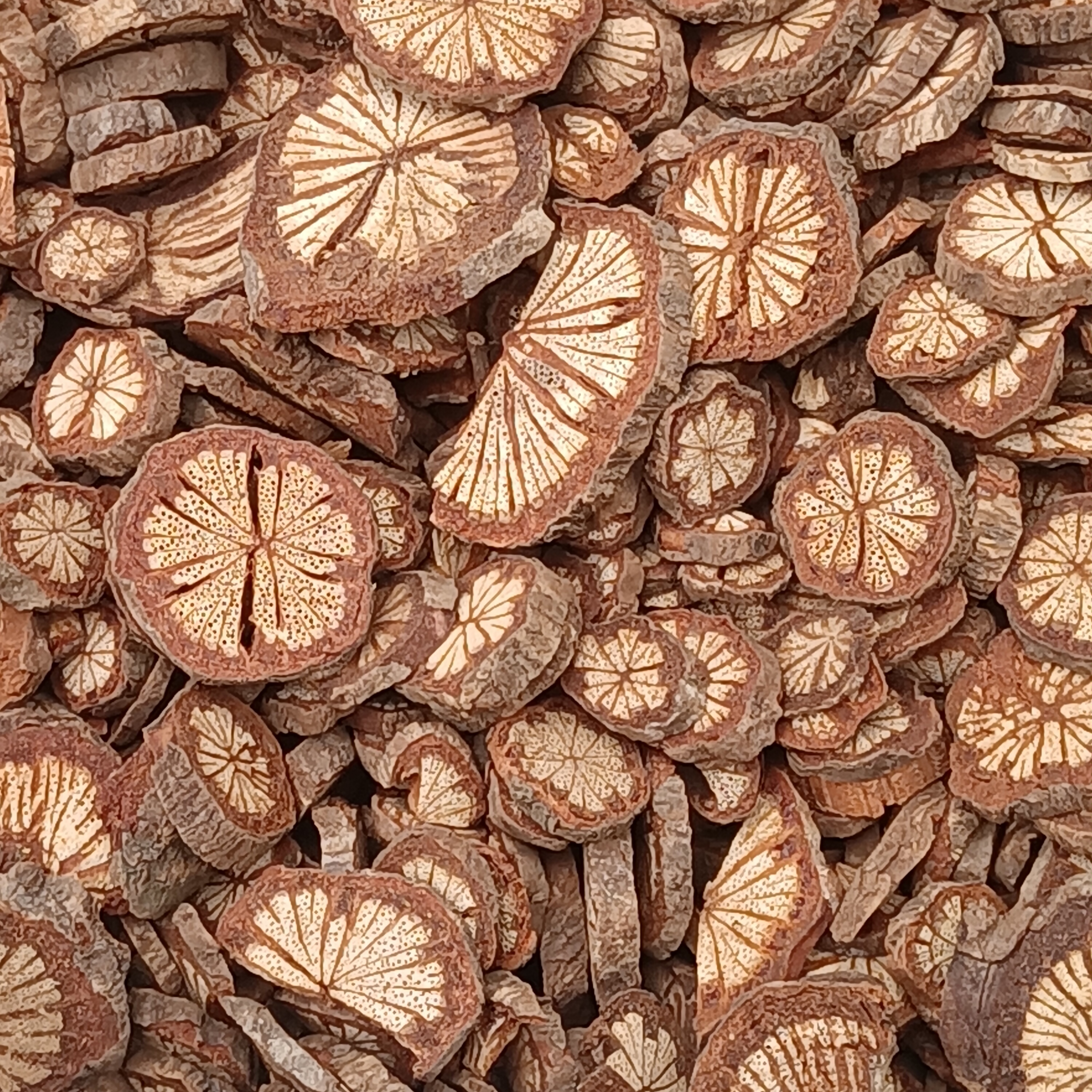
Spatholobus Stem, called Ji Xue Teng or “chicken blood vine,” is the dried stem of Spatholobus suberectus, a woody climbing vine of the pea family (Fabaceae) that grows in forests across southern China and Southeast Asia. The medicinal part is the mature stem, cut into segments or slices and dried, and the cut surface shows a reddish-brown center with lighter rings that resemble chicken blood, which explains the name. In trade it appears as woody stem segments, slices, powders, tinctures, and combined formulas. Because the stem is hard and woody, the slice form and the age of the stem are important parts of the identity record.
- English name
- Spatholobus Stem / Suberect Spatholobus
- Latin name
- Spatholobus suberectus Dunn
- Traditional category
- Blood Activating
- Nature
- Warm
- Flavor description
- Bitter, Sweet
- Record identifier
- jixueteng
IDENTIFICATION
Identification and Image Notes
The cut stem is woody and shows a reddish-brown center with lighter rings, and the “chicken blood” pattern is a useful orientation clue. The dried slices are hard and dense, with concentric rings that darken to reddish-brown, and the pattern is most visible on a fresh cut surface. Species, stem age, and the difference between the stem and other red-wood materials should still be confirmed with the label, since other climbing vines are traded under similar names.
Images are for orientation only, not definitive species authentication; confirm species, part, source, and labeling with a qualified professional or authoritative monograph.
TRADITIONAL CONTEXT
Traditional Use in Context
Traditional records discuss Spatholobus for blood nourishment and movement together, menstrual irregularity, and tendon or joint language, and it is one of the few materials described with this dual nourishing-and-moving profile. It appears in formulas for menstrual irregularity, numbness, and joint discomfort, often paired with Angelica, White Peony, and Astragalus in blood-nourishing combinations, and the cut woody stem is decocted in the same way as other hard root materials. Classical texts describe it for blood deficiency with stasis, always within a pattern-based framework, and the dual description is historical rather than a modern diagnosis of anemia or joint disease. Persistent numbness, joint pain, or menstrual change requires clinical assessment.
PROCESSING CONTEXT
Raw Material, Processing, and Product Form
Stems are cut into segments or slices and dried, and powder, tincture, and extract products should provide separate concentration and ingredient information. Hard woody material is not equivalent to a concentrated extract in exposure.
The same name can cover a raw material, decoction piece, powder, extract, or finished product, so record the labeled form rather than assuming it; see the safety review for the questions to ask.
SAFETY REVIEW
Safety Boundaries
A dual nourishing-and-moving description is not a personal recommendation. Pregnancy, active bleeding, anticoagulants, allergy, and persistent joint or menstrual symptoms all deserve professional review, and unexplained pain, swelling, or bleeding requires ordinary medical assessment.
This record is not a dose recommendation; risk depends on identity, preparation, amount, duration, contamination, other medicines, and health conditions — a traditional or “natural” label cannot establish safety. For the full framework, read the Chinese Herbal Medicine Safety Review.
COMPARISON
How This Entry Differs
Compare Spatholobus Stem with Salvia Root for the blood-mover pair, and with White Peony Root and Angelica for the nourishing side of the same vocabulary. Spatholobus is distinguished by its woody stem identity and its explicit pairing of nourishment with movement in one material. Its dense woody texture also means a decoction piece and a concentrated tincture cannot be compared by weight alone.
Use the related-entry links below to compare identity, part, processing, and safety boundaries — similar categories do not make materials interchangeable.
STUDY METHOD
New to these entries?
Read the four-step method in How to Read a Herb Entry before comparing materials.