Herb reference entry
Corydalis Rhizome / Yanhusuo
Corydalis Rhizome / Yanhusuo
Corydalis yanhusuo W.T.Wang
Reviewed by Kuda, September 2, 2026 - Editorial policy
OVERVIEW
What This Record Covers
Corydalis Rhizome, called Yan Hu Suo, is the dried tuber of Corydalis yanhusuo, a low herb of the poppy family (Papaveraceae) cultivated in eastern China for its small, hard underground tuber. The medicinal part is the rounded, yellow-brown tuber, dug after the above-ground plant dies back, cleaned, and dried for use as slices or powder. In trade it appears as tuber slices, powders, and combined formulas, and it is one of the most frequently used pain-related materials in classical practice. Because the tuber is small and easily confused with other pale tubers, the species statement and the distinction between the tuber and a concentrated extract are central to identification.
- English name
- Corydalis Rhizome / Yanhusuo
- Latin name
- Corydalis yanhusuo W.T.Wang
- Traditional category
- Blood Activating
- Nature
- Warm
- Flavor description
- Pungent, Bitter
- Record identifier
- yanhusuo
IDENTIFICATION
Identification and Image Notes
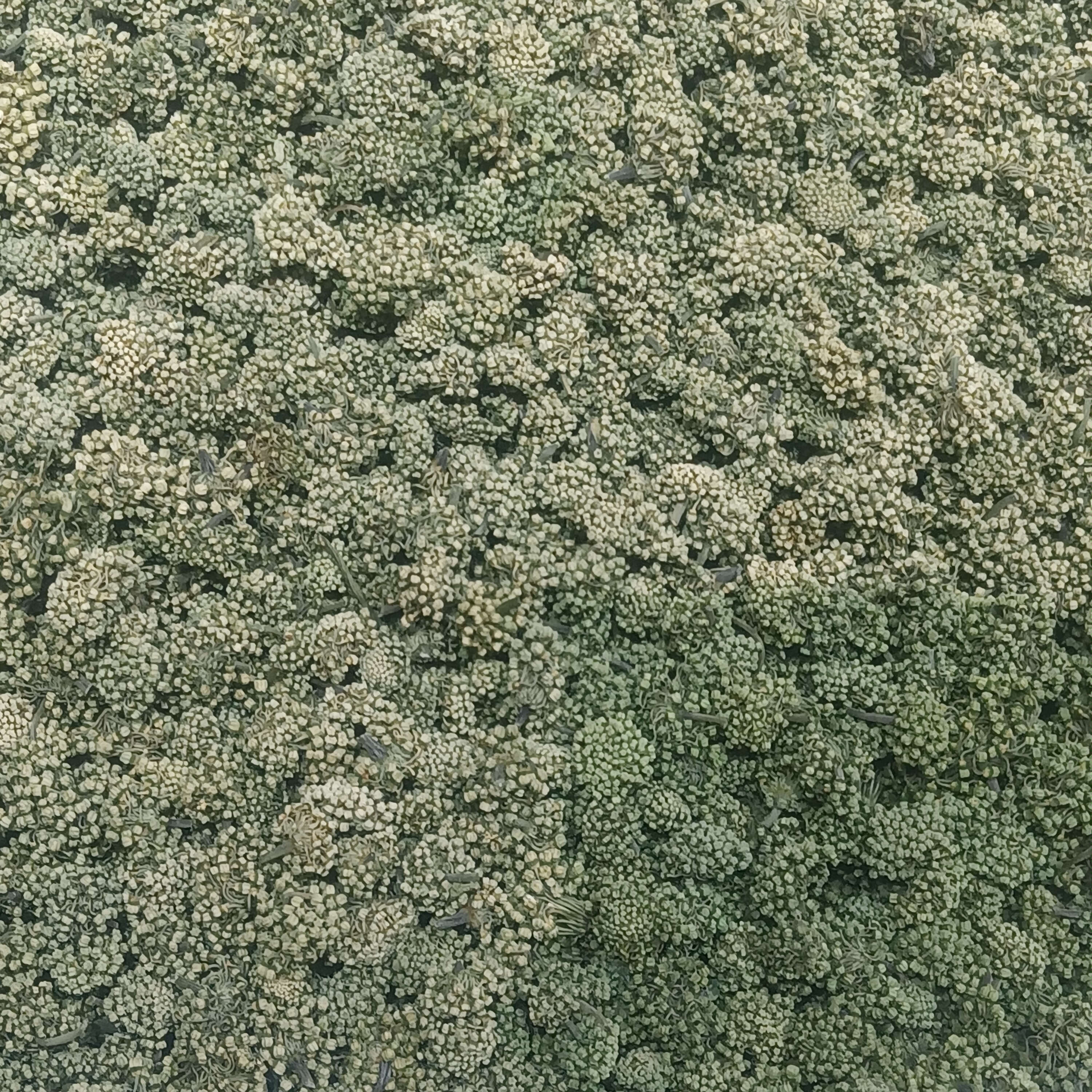
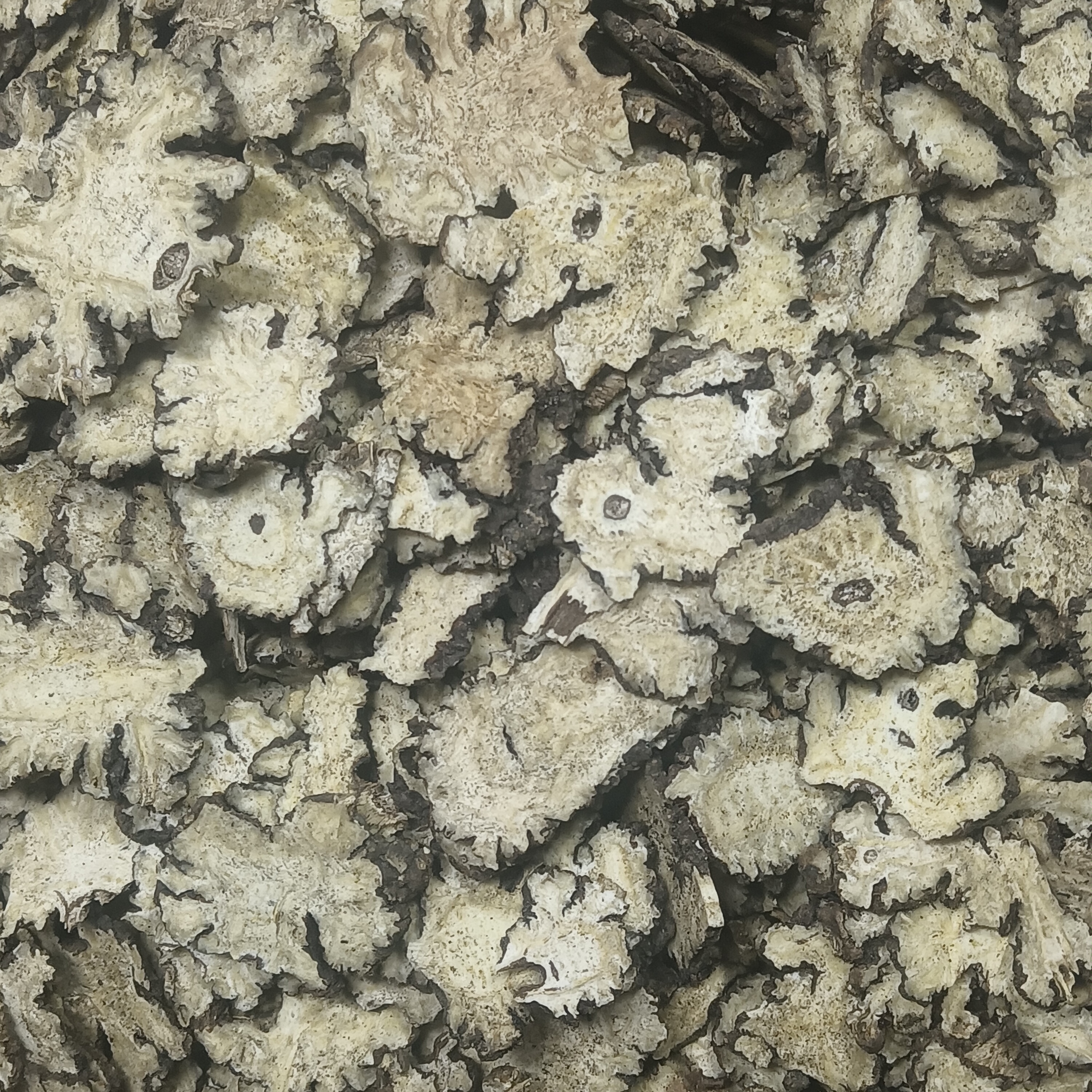
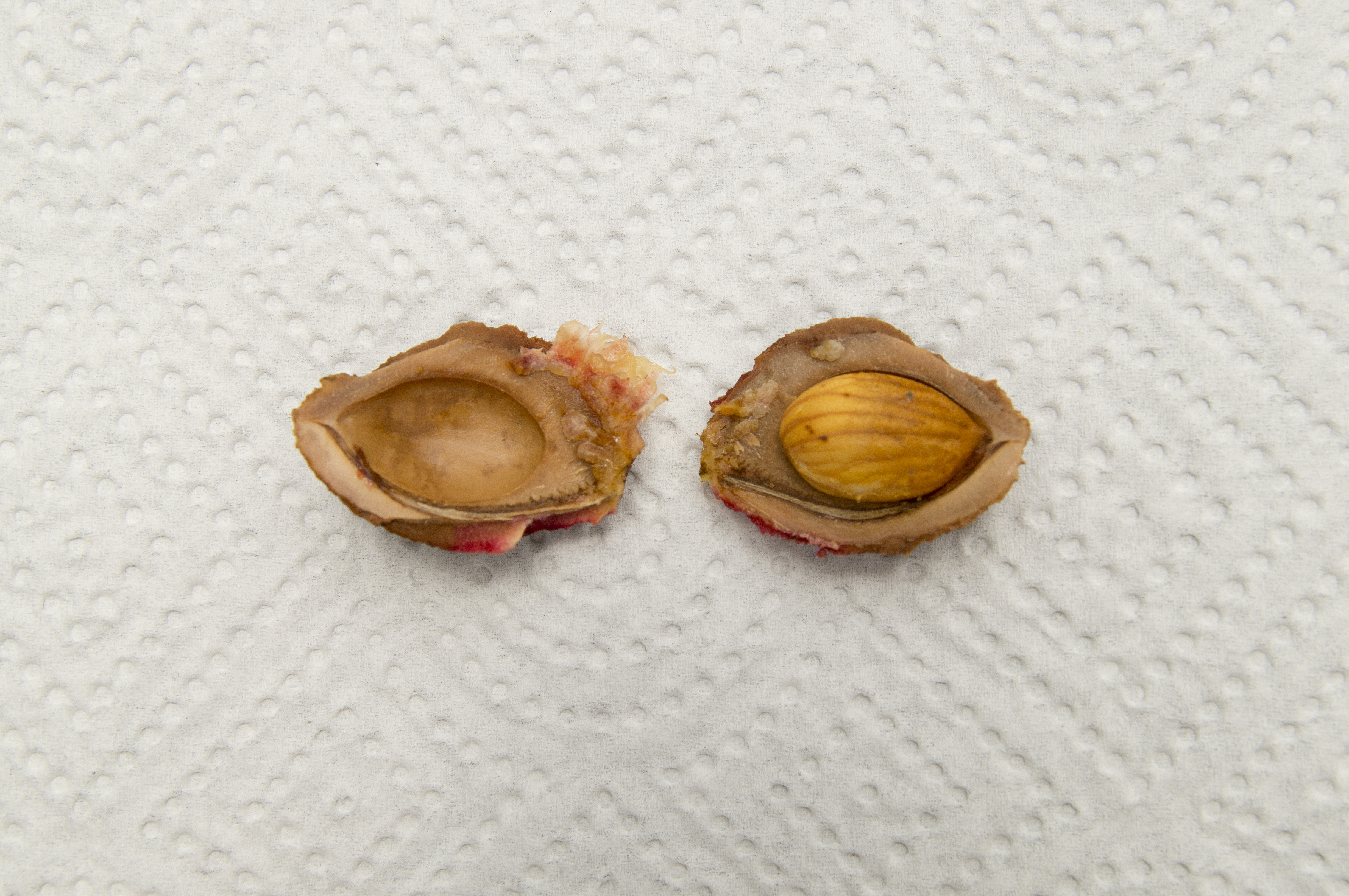
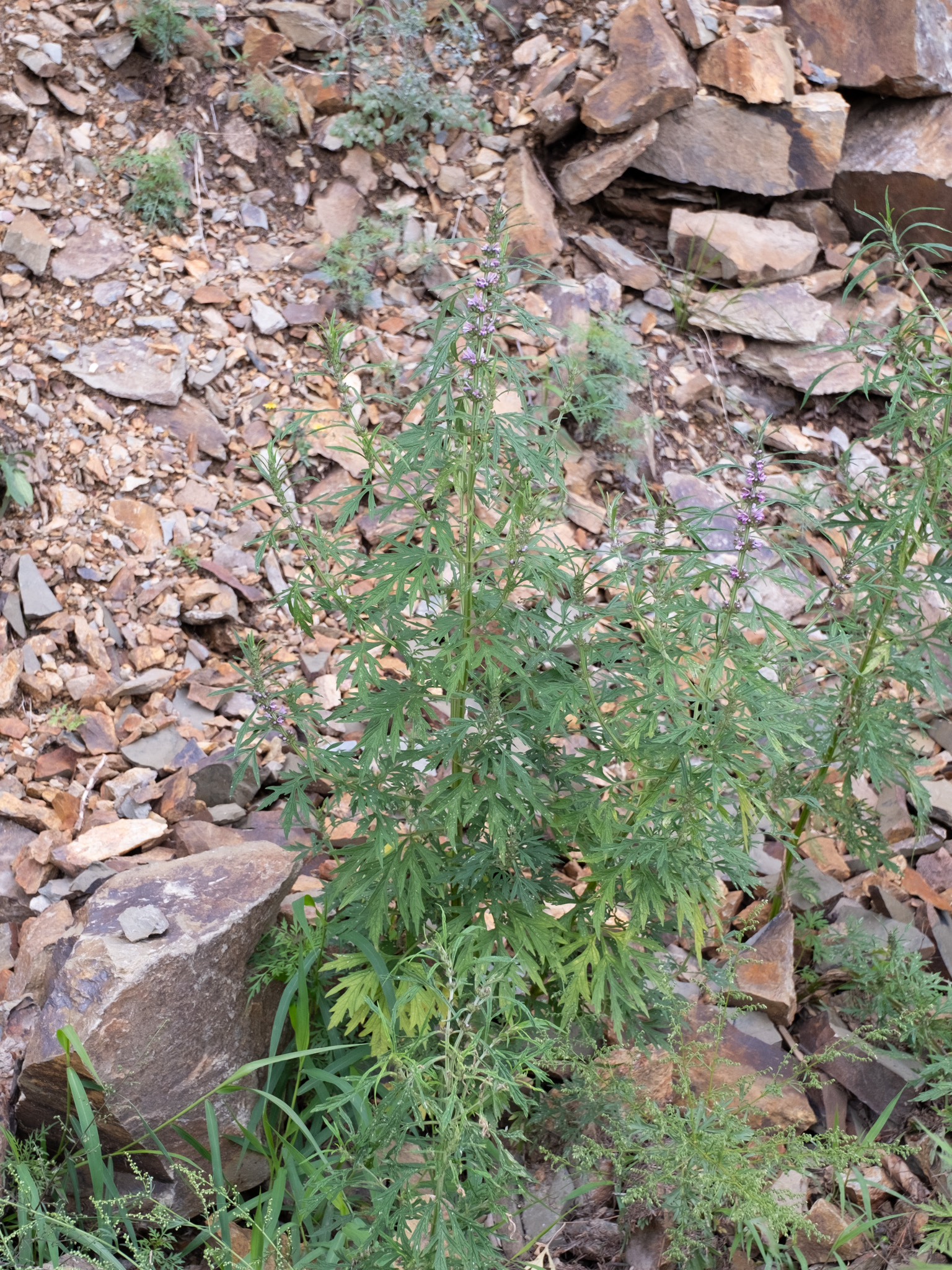
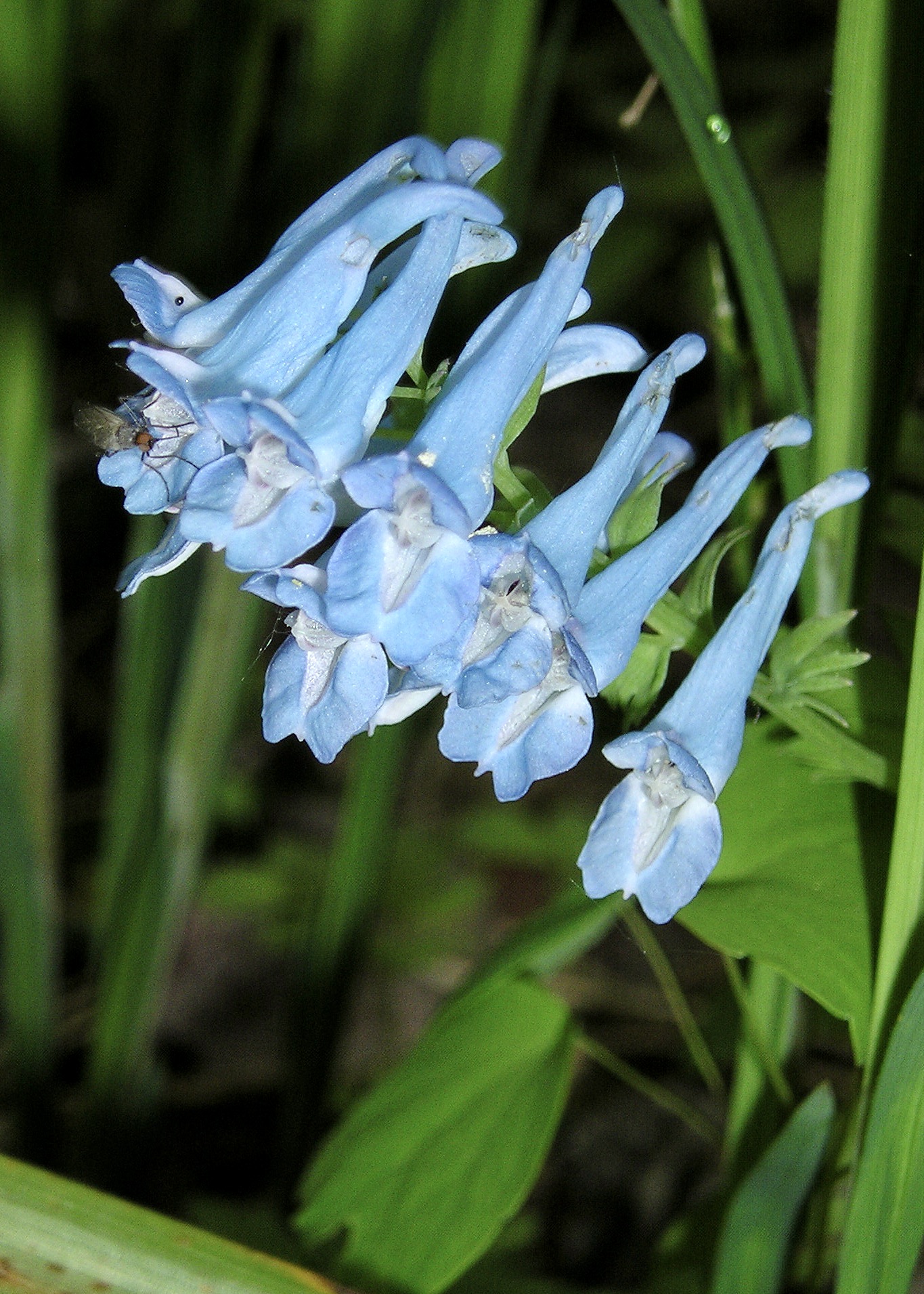
The tuber is small, rounded, and yellow-brown inside, and Corydalis species and the distinction between the tuber and an extract are central to identification. The dried tuber is hard and irregular, about the size of a fingertip, with a yellow-brown surface and a pale yellow interior. The dried slices are firm and pale, and the label rather than the image should govern any product comparison, since the alkaloid content of extracts is far higher.
Images are for orientation only, not definitive species authentication; confirm species, part, source, and labeling with a qualified professional or authoritative monograph.
TRADITIONAL CONTEXT
Traditional Use in Context
Traditional records discuss Corydalis for moving qi and blood with pain-related historical descriptions in the chest, abdomen, and menstrual context, and it appears in classical formulas aimed at cramping, menstrual pain, and constrained blood, where it is often paired with Angelica and Sichuan Lovage in menstrual combinations, and with vinegar processing in some pain records. Classical texts describe it for pain that is read as stasis-related, always within a pattern-based framework. The pain vocabulary is historical and does not establish the cause of a pain or authorize self-treatment, and severe or unexplained pain, especially sudden chest or abdominal pain, requires ordinary medical evaluation rather than a traditional reading.
PROCESSING CONTEXT
Raw Material, Processing, and Product Form
Traditional records distinguish vinegar-processed tubers from raw or dry-fried forms, and processing changes the way the material is described. Processing and alkaloid-rich extracts should never be collapsed into one generic product description, because the concentration differs sharply between forms.
The same name can cover a raw material, decoction piece, powder, extract, or finished product, so record the labeled form rather than assuming it; see the safety review for the questions to ask.
SAFETY REVIEW
Safety Boundaries
The material has stronger product-specific safety questions than most pain-adjacent herbs, and sedation, dizziness, liver disease, pregnancy, recent surgery, and medicines affecting the nervous system or bleeding all deserve professional review. Severe, sudden, or unexplained pain needs ordinary medical evaluation, and this page is educational and is not a dose recommendation.
This record is not a dose recommendation; risk depends on identity, preparation, amount, duration, contamination, other medicines, and health conditions — a traditional or “natural” label cannot establish safety. For the full framework, read the Chinese Herbal Medicine Safety Review.
COMPARISON
How This Entry Differs
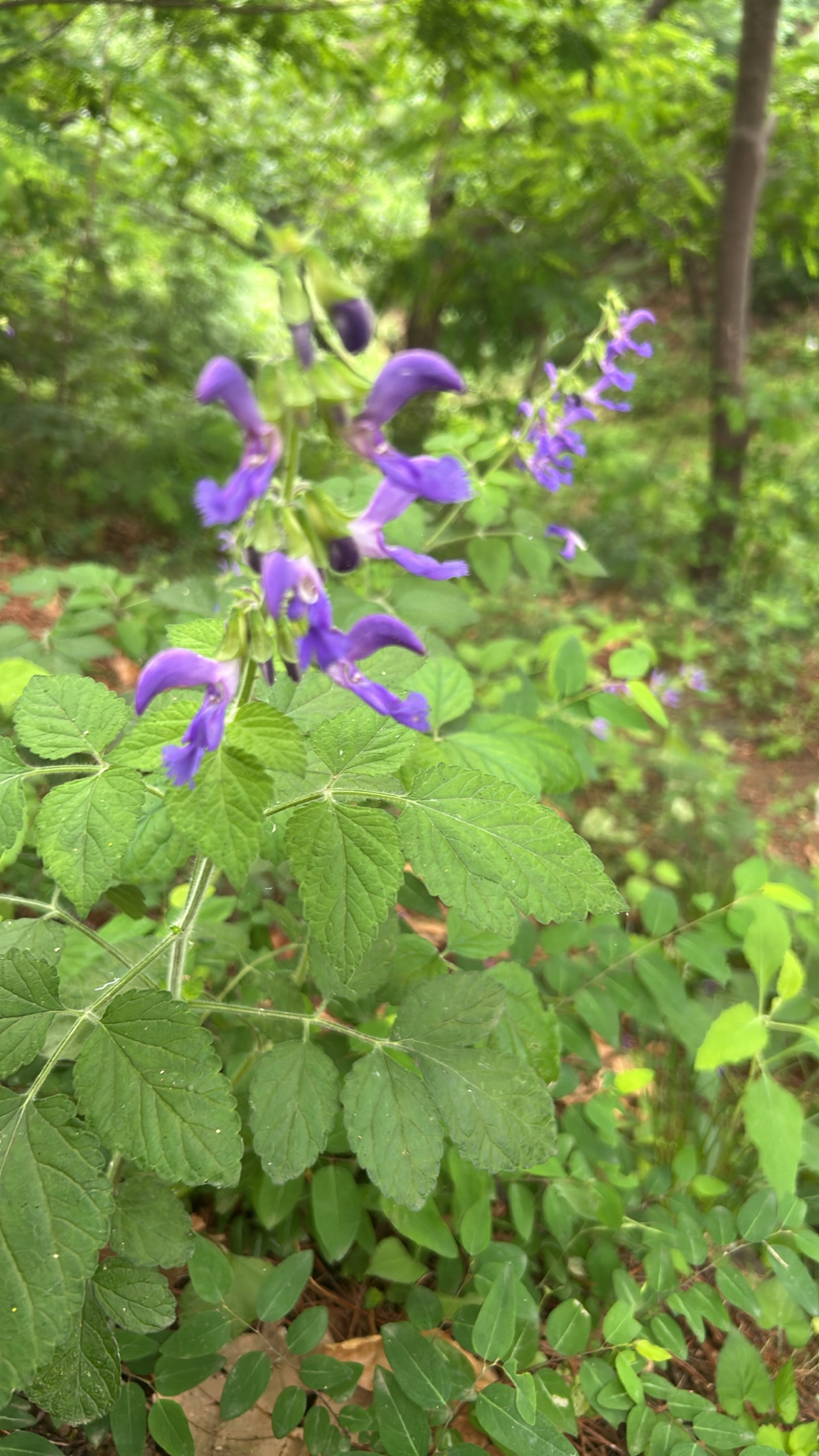
Compare Corydalis Rhizome with Salvia Root for the pain-focused blood mover, and with Nutgrass Rhizome for the qi-moving end of the spectrum. Corydalis is distinguished by its tuber identity, its strong historical association with pain, and the need for processing and concentration records. Its vinegar-processed form is the one most often described for pain, while the raw tuber carries a milder traditional emphasis. The small, hard tuber also makes the species statement essential, since several Corydalis species are traded under related names.
Use the related-entry links below to compare identity, part, processing, and safety boundaries — similar categories do not make materials interchangeable.
STUDY METHOD
New to these entries?
Read the four-step method in How to Read a Herb Entry before comparing materials.