Herb reference entry
Turmeric Root Tuber / Curcuma Root
Turmeric Root Tuber / Curcuma Root
Curcuma wenyujin Y.H.Chen & C.Ling
Reviewed by Kuda, September 2, 2026 - Editorial policy
OVERVIEW
What This Record Covers
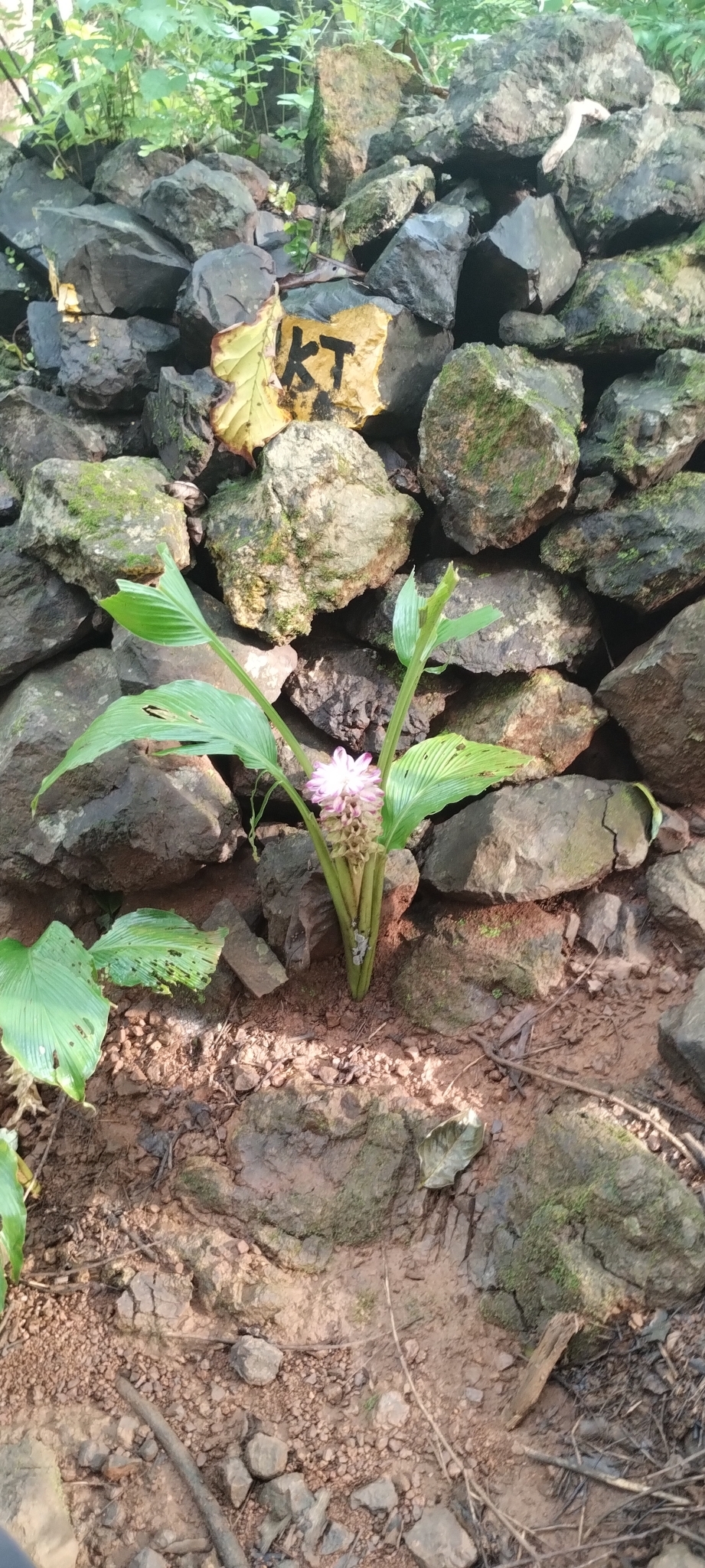
Turmeric Root Tuber, called Yu Jin, is the dried root tuber of Curcuma wenyujin and accepted related Curcuma sources, a perennial herb of the ginger family (Zingiberaceae) cultivated in warm regions of eastern and southern Asia. The medicinal part is the oval root tuber attached to the rhizome system, steamed or boiled before drying in many records, and it is yellow-gray inside. In trade it appears as root tuber slices, powders, and combined formulas, and several Curcuma materials are traded under similar names, including the rhizome used for the spice turmeric. Because the family resemblance is strong, the exact botanical part and the accepted Latin name must be separated from culinary turmeric on the label.
- English name
- Turmeric Root Tuber / Curcuma Root
- Latin name
- Curcuma wenyujin Y.H.Chen & C.Ling
- Traditional category
- Blood Activating
- Nature
- Cold
- Flavor description
- Pungent, Bitter
- Record identifier
- yujin
IDENTIFICATION
Identification and Image Notes
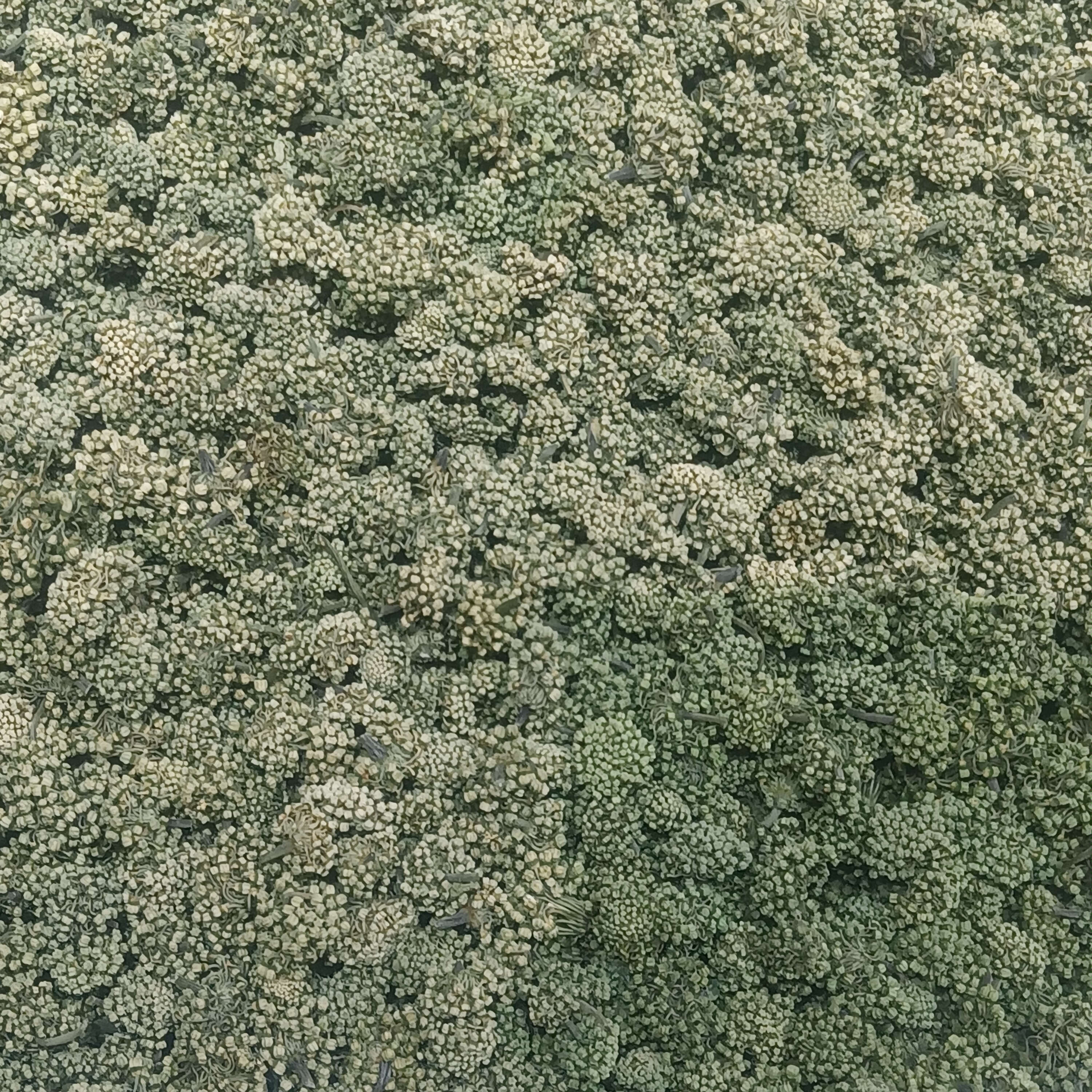
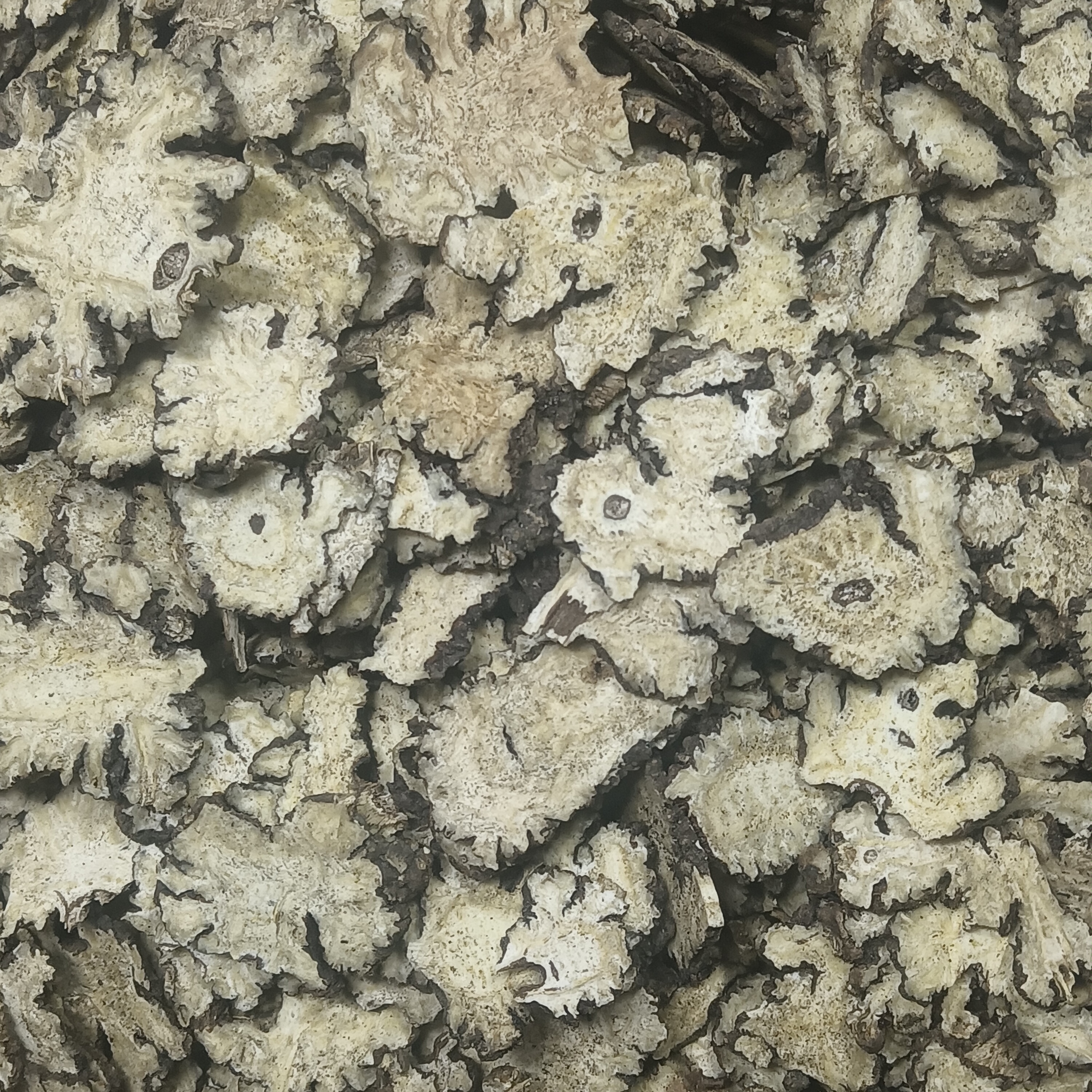
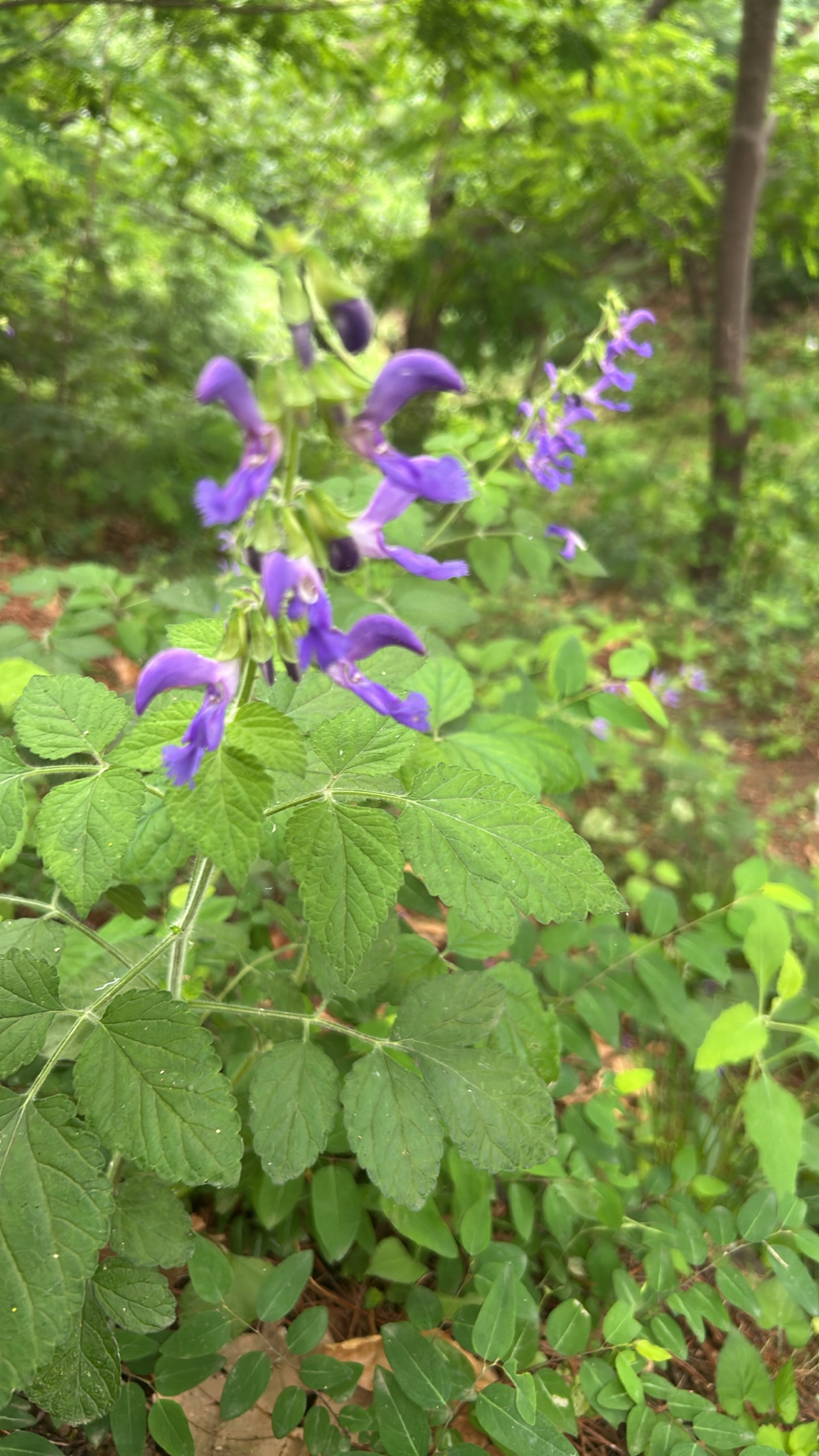
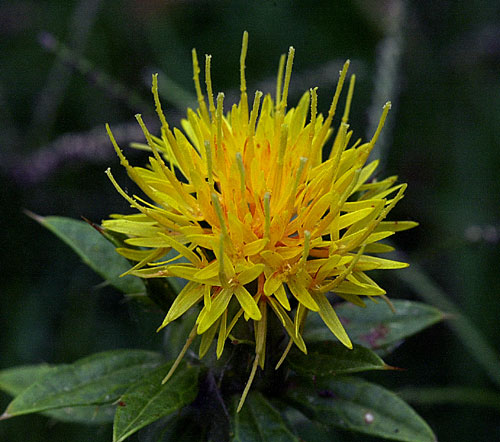
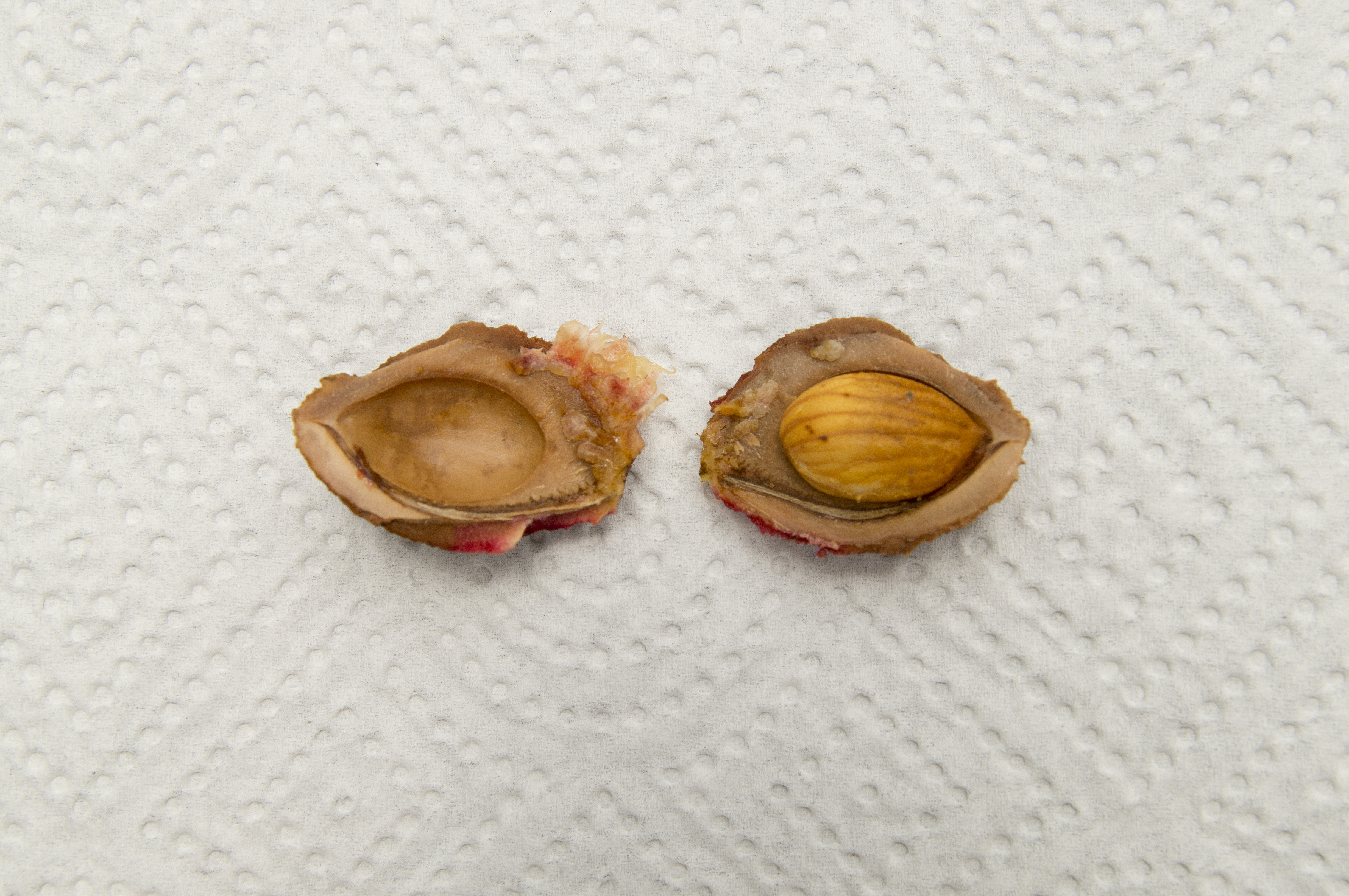
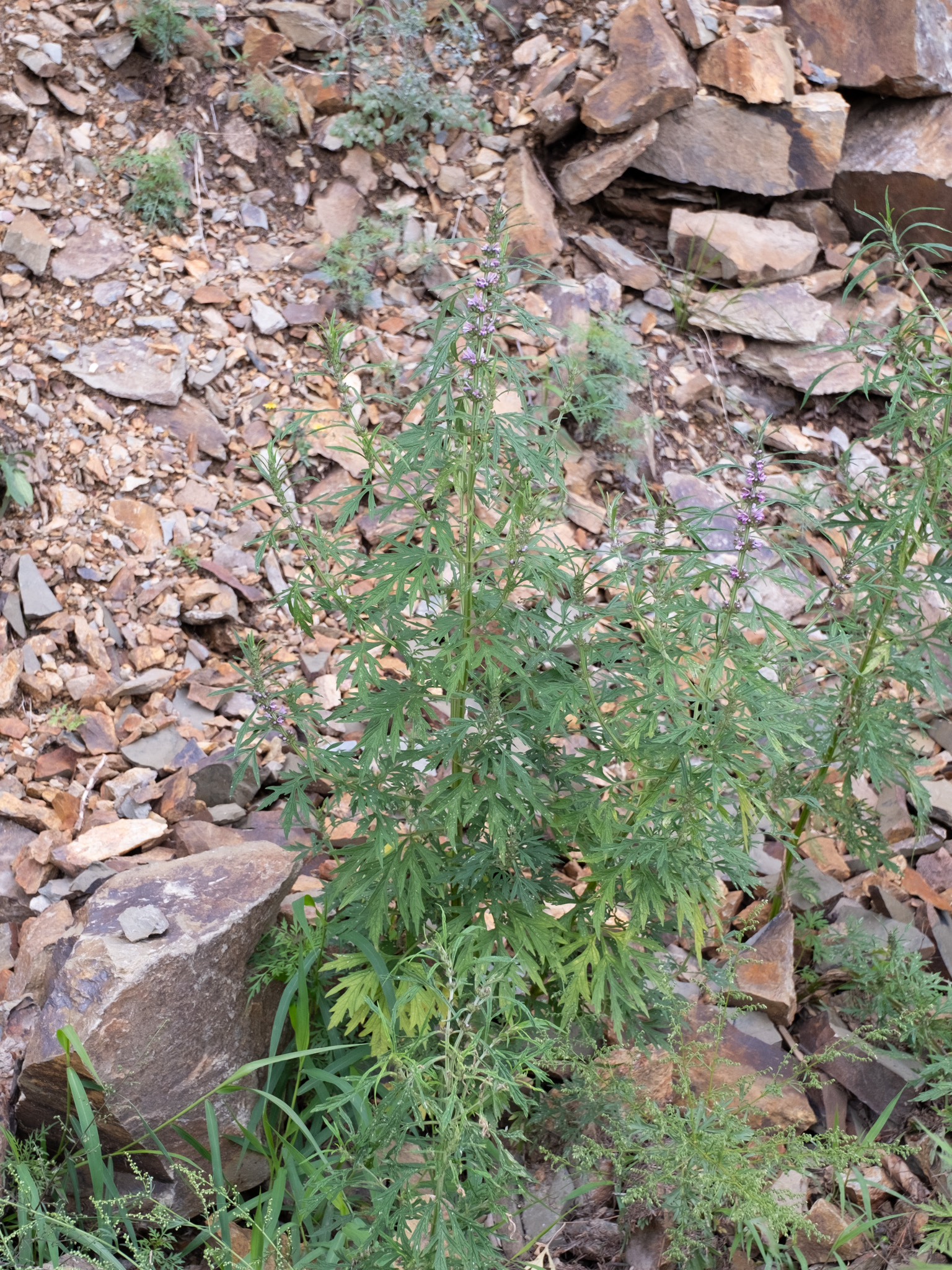
The root tuber is oval and yellow-gray inside, with a turmeric-like family resemblance, and several Curcuma materials are traded under similar names and must be separated. The dried tuber is firm, with a gray-yellow surface and a pale interior that deepens to yellow, and it shares the aromatic quality of the related rhizome. The rhizome, the root tuber, culinary turmeric powder, and extracts are not equivalent forms, and the Latin name and plant part should be confirmed with the label.
Images are for orientation only, not definitive species authentication; confirm species, part, source, and labeling with a qualified professional or authoritative monograph.
TRADITIONAL CONTEXT
Traditional Use in Context
Traditional records discuss Turmeric Root Tuber for qi and blood movement, constrained mood language, jaundice-related historical records, and cooling movement, and it appears in formulas aimed at the chest, the liver and gallbladder pathways, and constrained emotional presentations, such as the Yue Ju Wan family of formulas for constrained qi. Classical texts describe it for irritability, flank discomfort, and damp-heat-related jaundice language, always within a pattern-based framework. The mood and jaundice vocabulary is historical, and jaundice, dark urine, or persistent flank pain in real life requires urgent medical evaluation rather than a category label.
PROCESSING CONTEXT
Raw Material, Processing, and Product Form
The tuber is steamed or boiled before drying in some traditional records, and processing changes color and texture. Rhizome, root tuber, culinary turmeric, and extracts are different products even when they share a genus, and each should be recorded separately.
The same name can cover a raw material, decoction piece, powder, extract, or finished product, so record the labeled form rather than assuming it; see the safety review for the questions to ask.
SAFETY REVIEW
Safety Boundaries
Review gallbladder disease, bleeding, recent surgery, pregnancy, and products with concentrated curcuminoids, and check allergy to the ginger family. Jaundice, dark urine, or severe abdominal pain requires medical evaluation rather than a traditional reading, and this page is educational and is not a dose recommendation.
This record is not a dose recommendation; risk depends on identity, preparation, amount, duration, contamination, other medicines, and health conditions — a traditional or “natural” label cannot establish safety. For the full framework, read the Chinese Herbal Medicine Safety Review.
COMPARISON
How This Entry Differs
Compare Turmeric Root Tuber with Corydalis Rhizome and Salvia Root for species, plant part, and cooling or warming direction. It is distinguished from both by its Curcuma identity, its mood-related history, and the need to separate the root tuber from culinary turmeric and its extracts. Classical texts keep the root tuber separate from the rhizome used as a kitchen spice, a distinction that survives in modern product labels.
Use the related-entry links below to compare identity, part, processing, and safety boundaries — similar categories do not make materials interchangeable.
STUDY METHOD
New to these entries?
Read the four-step method in How to Read a Herb Entry before comparing materials.